
Read More











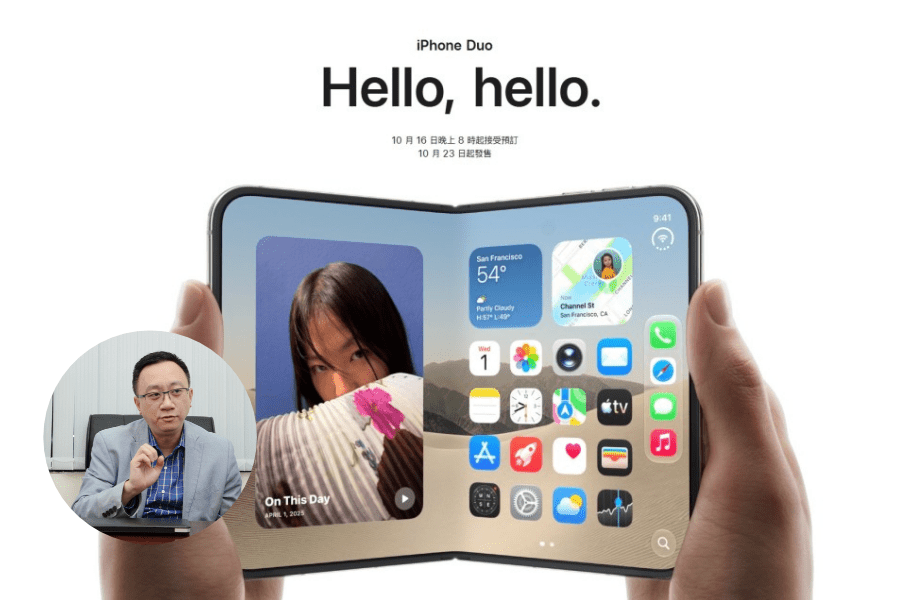
Ahead of Friday’s pre-order rush for Apple’s new foldable iPhone Duo, buyers are being warned that third-party ordering bots could put their credit card and personal data at risk.
With supplies expected to be limited, a reseller who claims to be a professional programmer has been promoting a bot on Threads that he says can help users secure the new iPhones.
The service claims it can secure two iPhone Duos within seven seconds for HK$399, while a HK$899 package offers three attempts, with refunds promised if all attempts fail.
Since September 10, the seller has posted almost daily screenshots of past orders, chat records and bot interfaces, attracting more than 2,000 comments expressing interest.
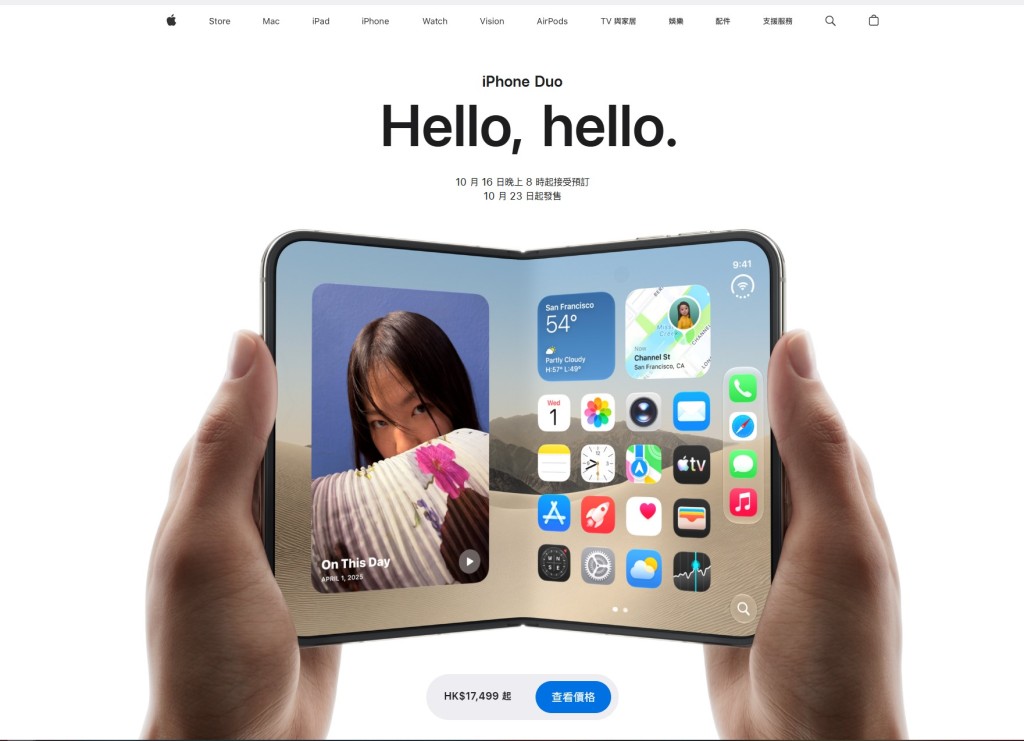
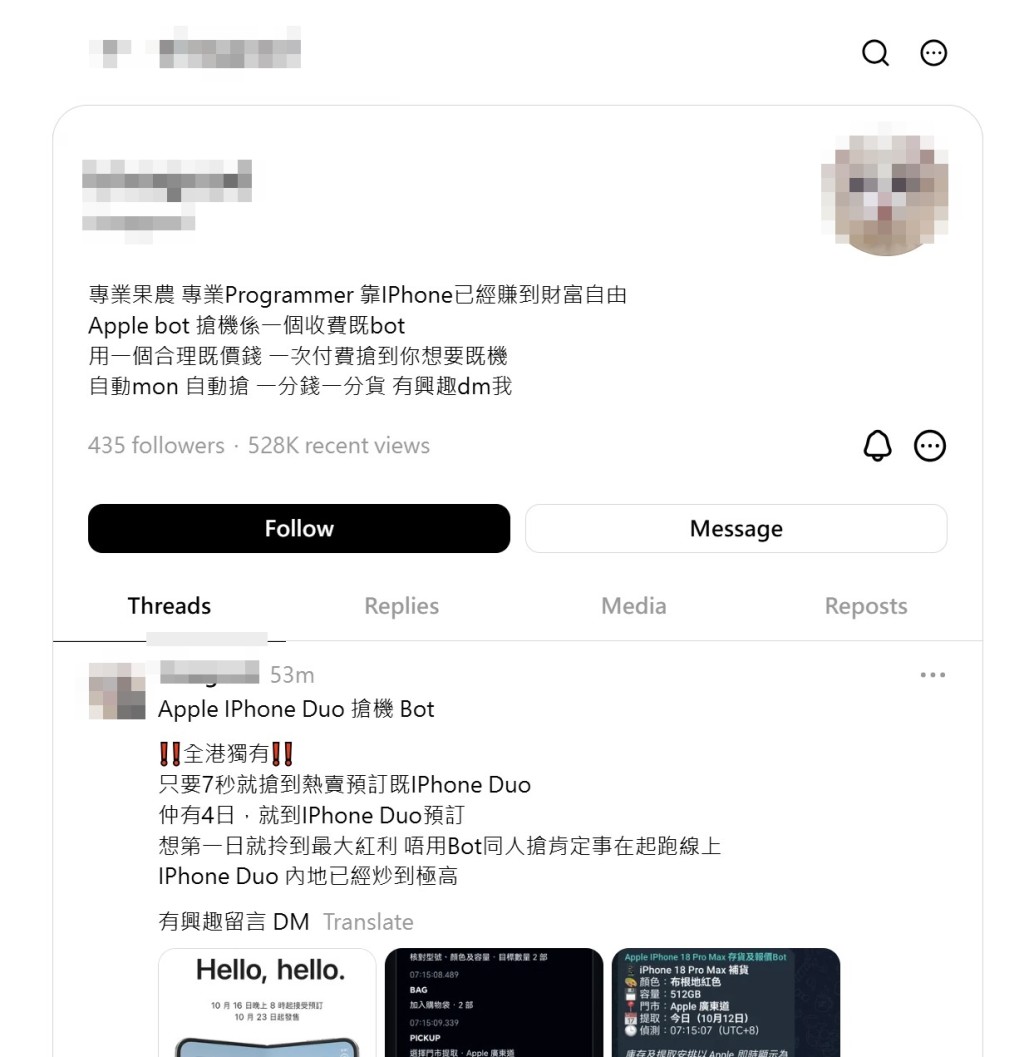
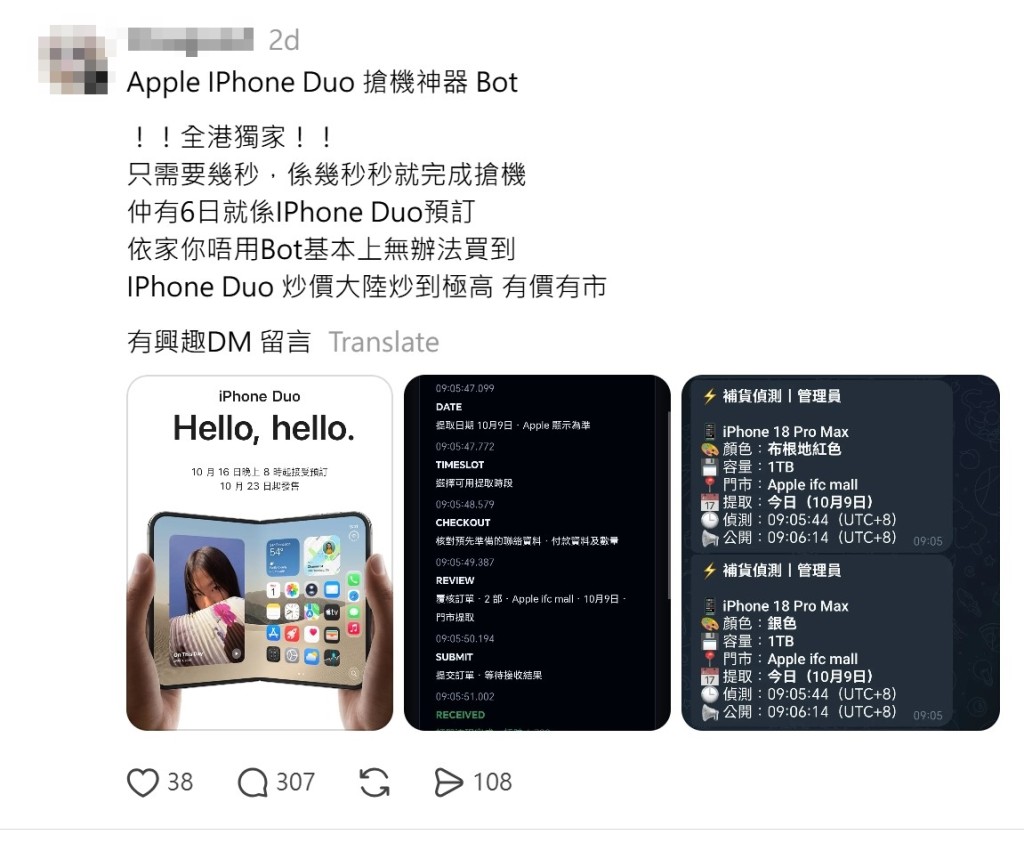
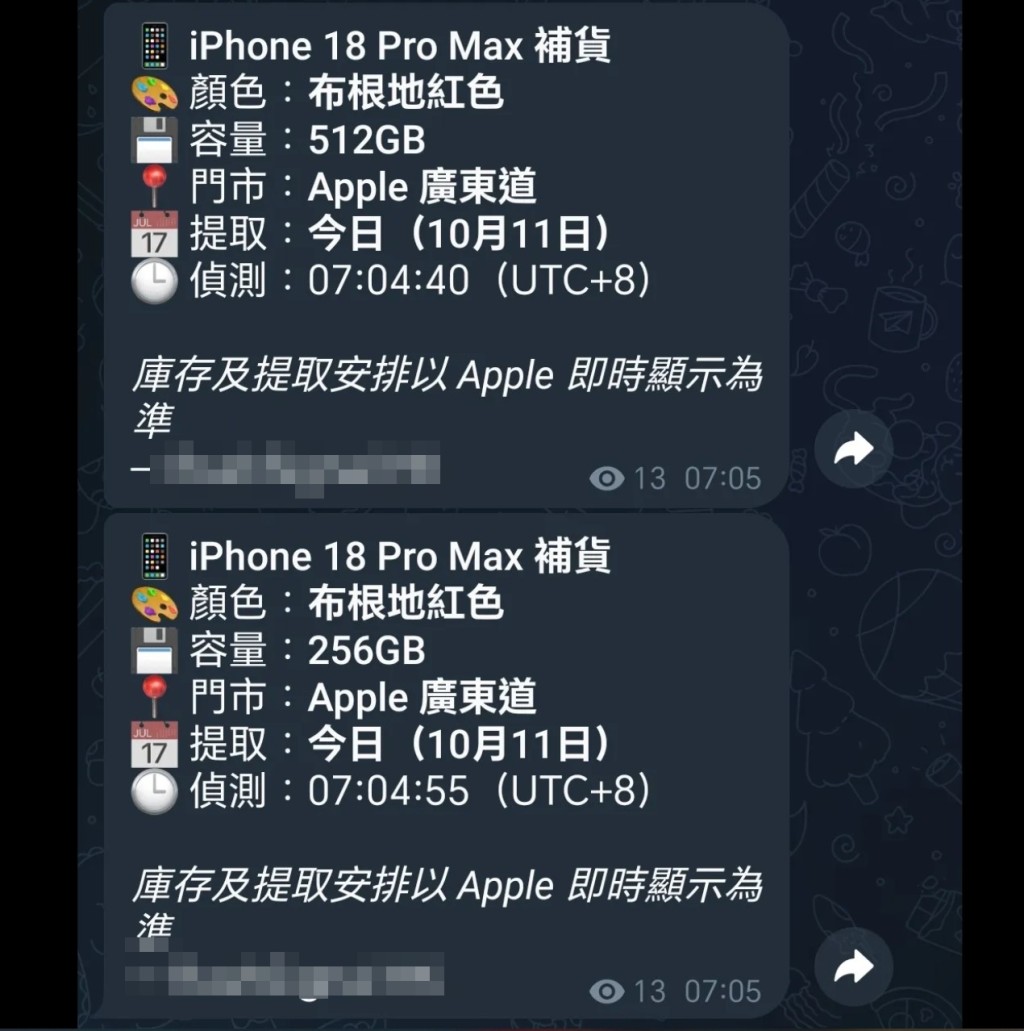
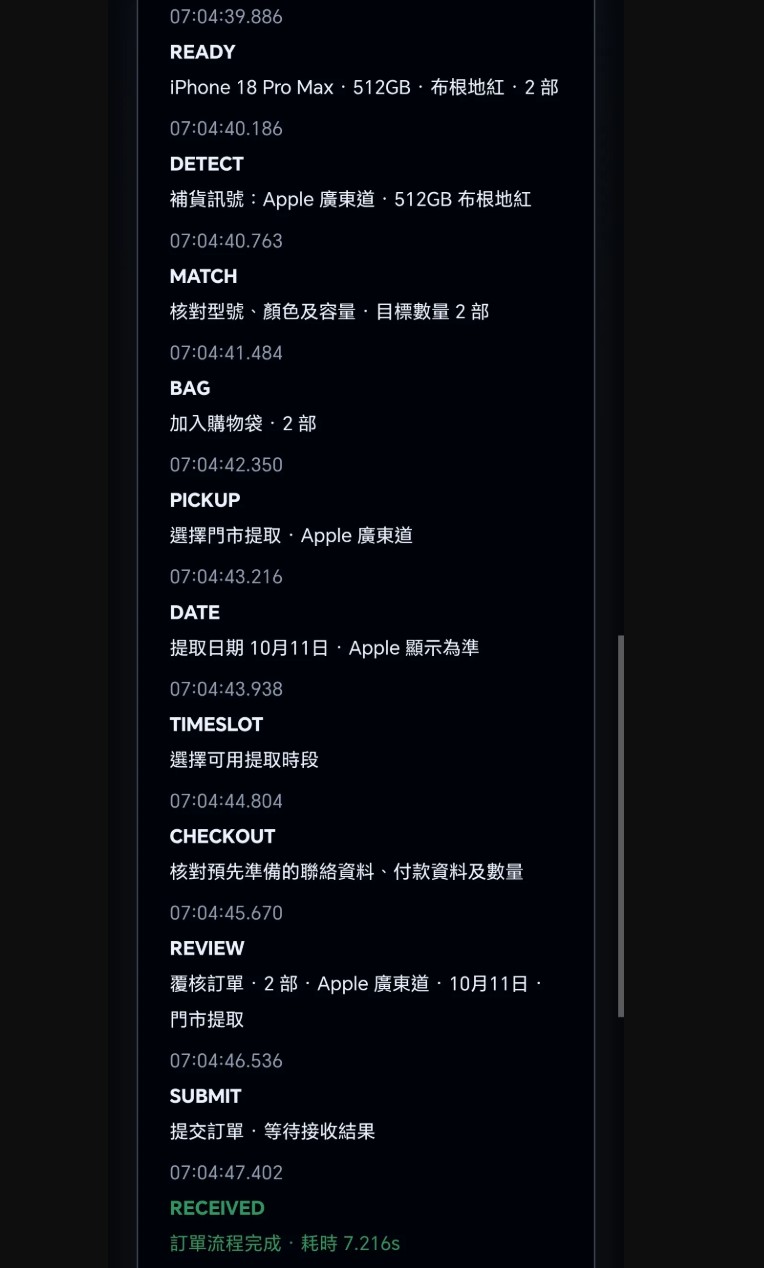
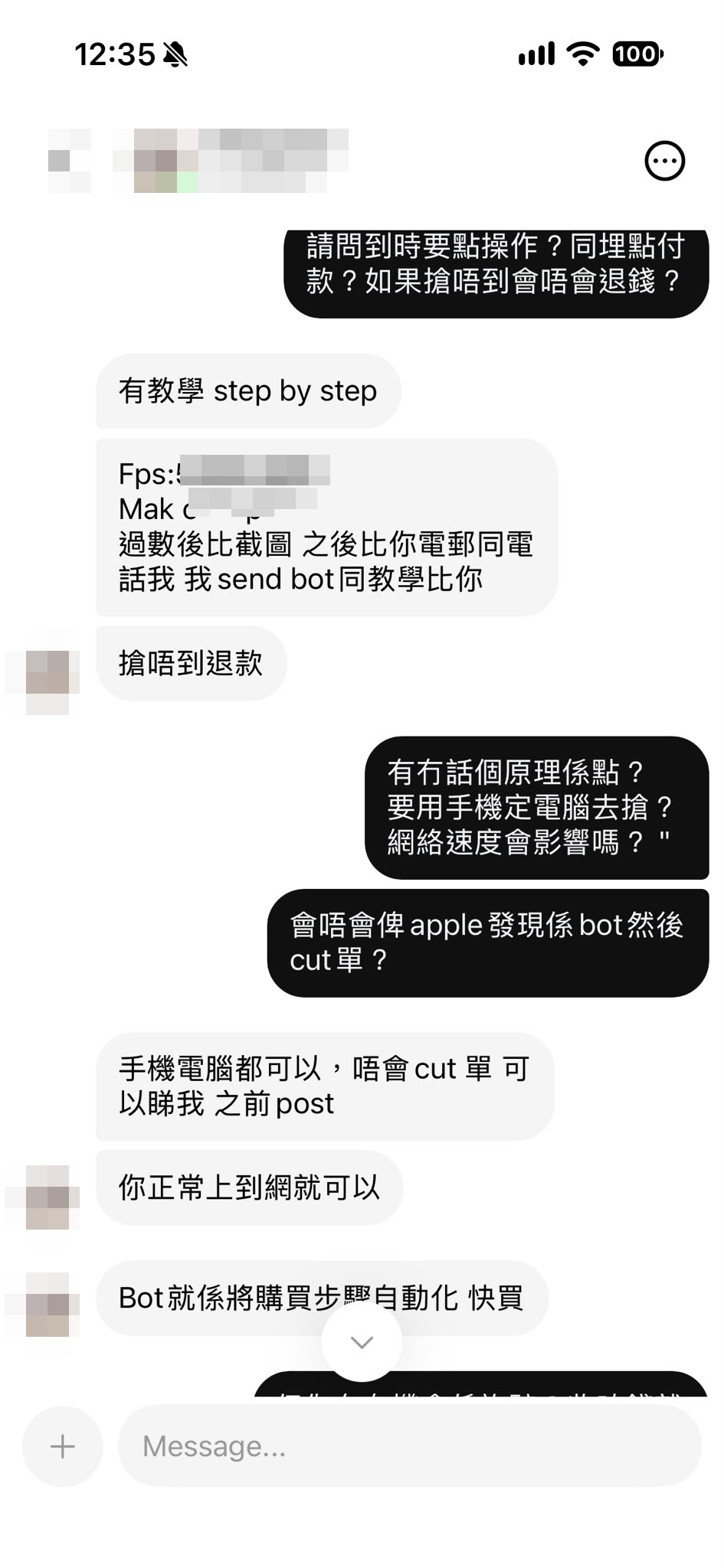
A reporter from Sing Tao Daily, sister publication of The Standard, posed as a buyer and contacted the seller. The reporter was instructed to make payment through the Faster Payment System and send a screenshot before receiving the program and operating instructions.
Asked whether the software could contain malware capable of stealing credit card data, the seller denied the possibility, saying: “I don’t need to do anything illegal.”
He also cited previous successful orders and said the bot would “100 percent not take customers’ data.”
However, Francis Fong Po-kiu, honorary president of the Hong Kong Information Technology Federation, warned consumers against taking shortcuts when placing orders.
“Even if you succeed in securing the phone, the follow-up cost, including stolen personal or credit card data, is extremely high,” he said.
Fong said that while reselling a sought-after phone could potentially generate profits of HK$10,000 to HK$20,000, victims could later face unauthorized credit card charges of HK$80,000 to HK$100,000.
As users may be required to enter personal and credit card information for such bots to operate, malicious software could potentially capture those details, he warned.
Fong also said a bot could contain a Trojan horse, allowing criminals to gain access to users’ personal or payment information after installation.
Even if the seller had no malicious intent, Fong said there was no guarantee that users’ data would be securely protected.