






Read More










Typhoon season winds down as HK faces low October risk
07-10-2026 17:02 HKT


Parents arrested after the Tuen Mun girl seen carrying bags of beer
07-10-2026 17:42 HKT


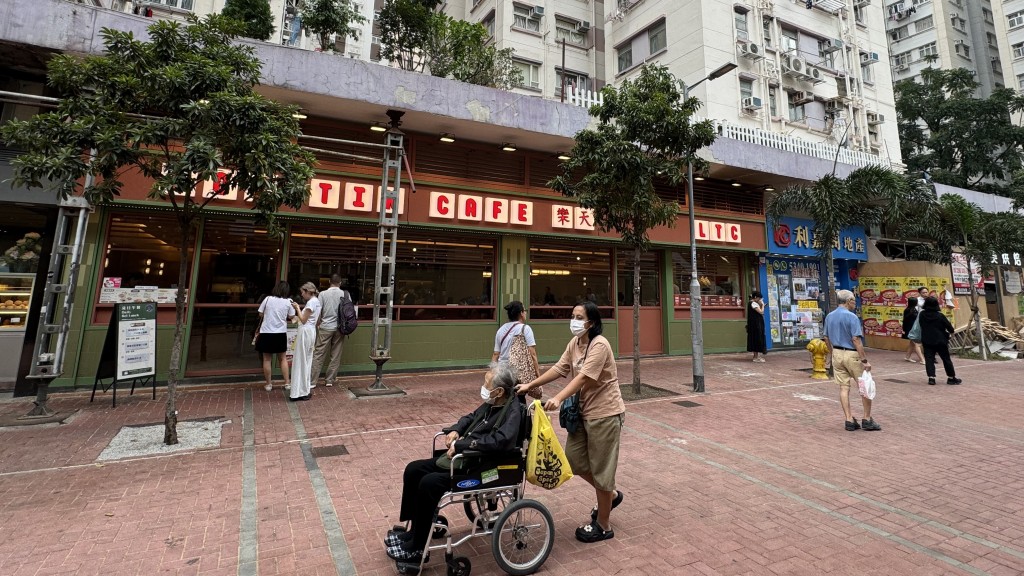
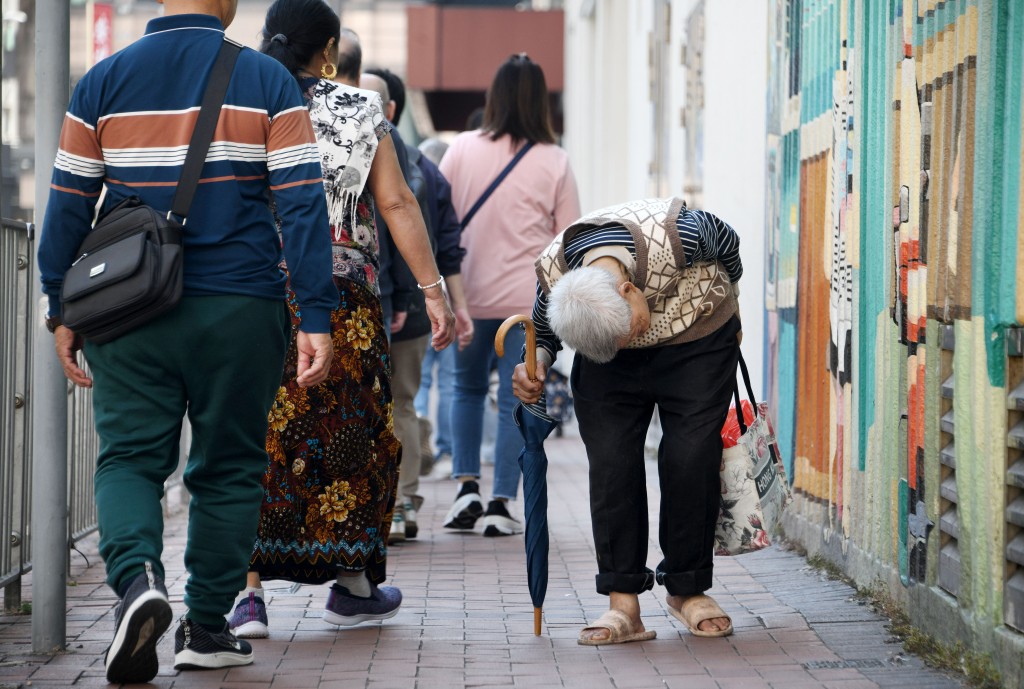
The number of Hongkongers aged 65 or above living in Guangdong has risen by nearly 60 percent over the past decade, according to a think tank report that called for a sustainable regional eldercare system.
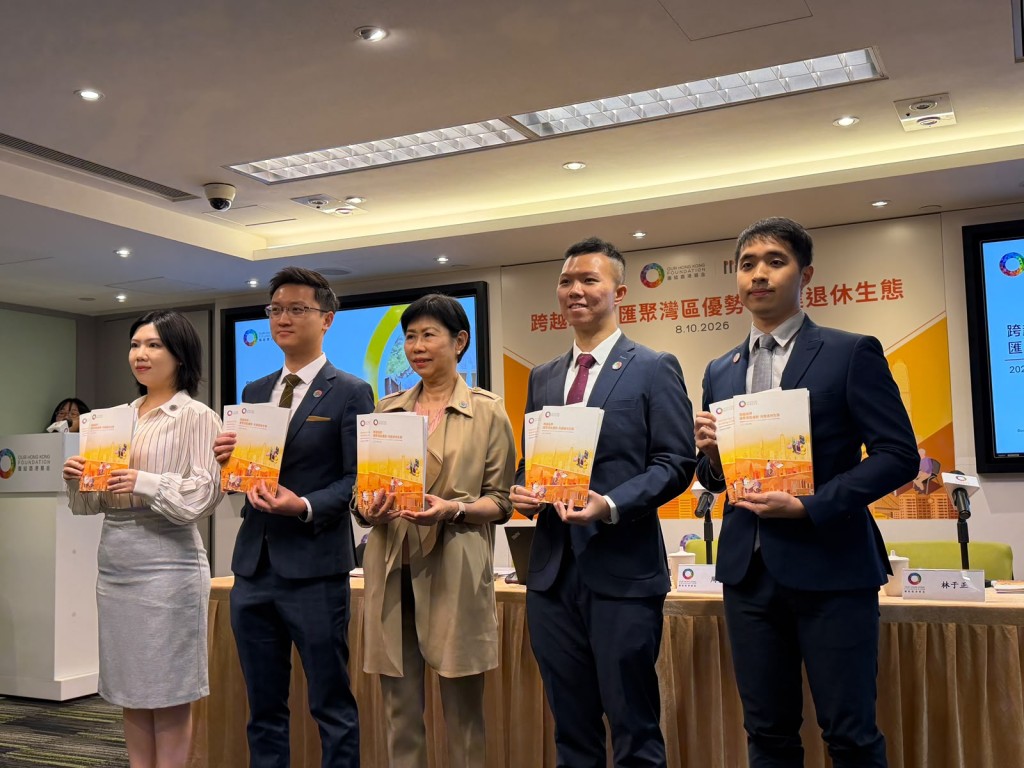
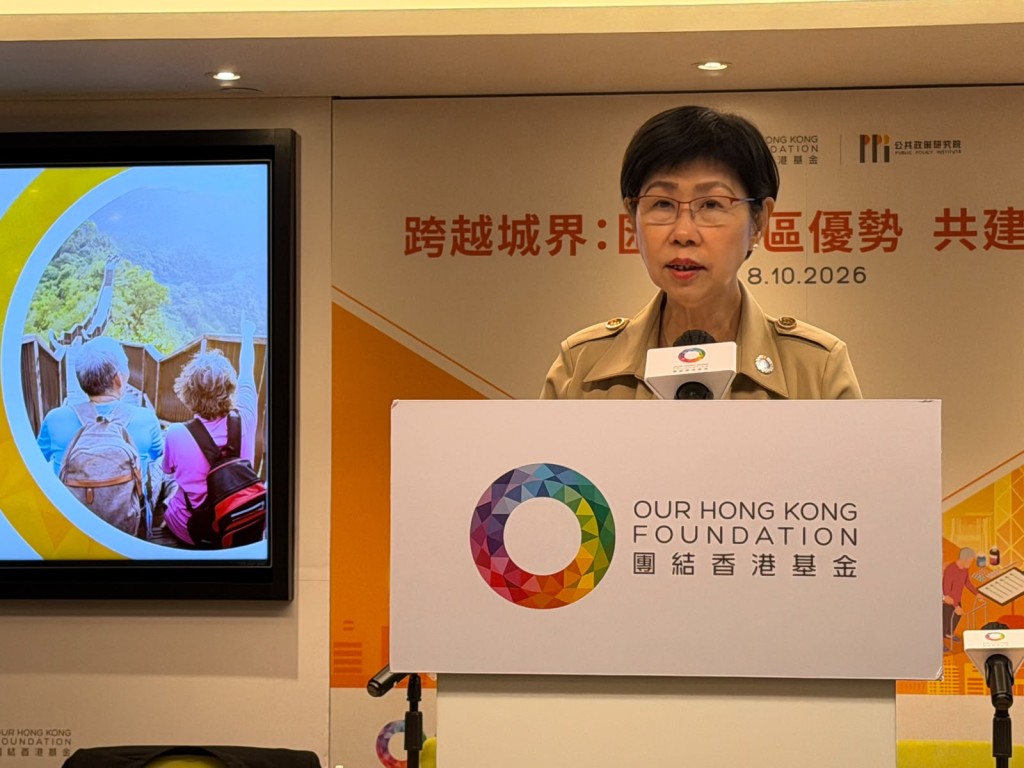
Our Hong Kong Foundation released a policy research report titled “Beyond City Boundaries: Building a GBA Retirement Ecosystem,” which found that the number of elderly Hong Kong residents living in Guangdong had increased from 70,900 to 111,600 over the past 10 years.
The foundation surveyed more than 1,000 Hongkongers aged 36 or above who are interested in retiring in the Greater Bay Area. Among them, 48 percent said they had difficulties accessing specialist medical services in the region.

Their main concerns included uncertainty over medical costs, cited by 61 percent; a lack of cross-border recognition mechanisms for services, at 56 percent; and insufficient continuity of follow-up care after returning to Hong Kong, at 55 percent.
Among respondents aged 50 or above, the top considerations when choosing care services on the mainland were whether the services suited their individual needs, cited by 59 percent; affordability, at 53 percent; and issues involving enduring powers of attorney and the handling of legal disputes, at 52 percent.
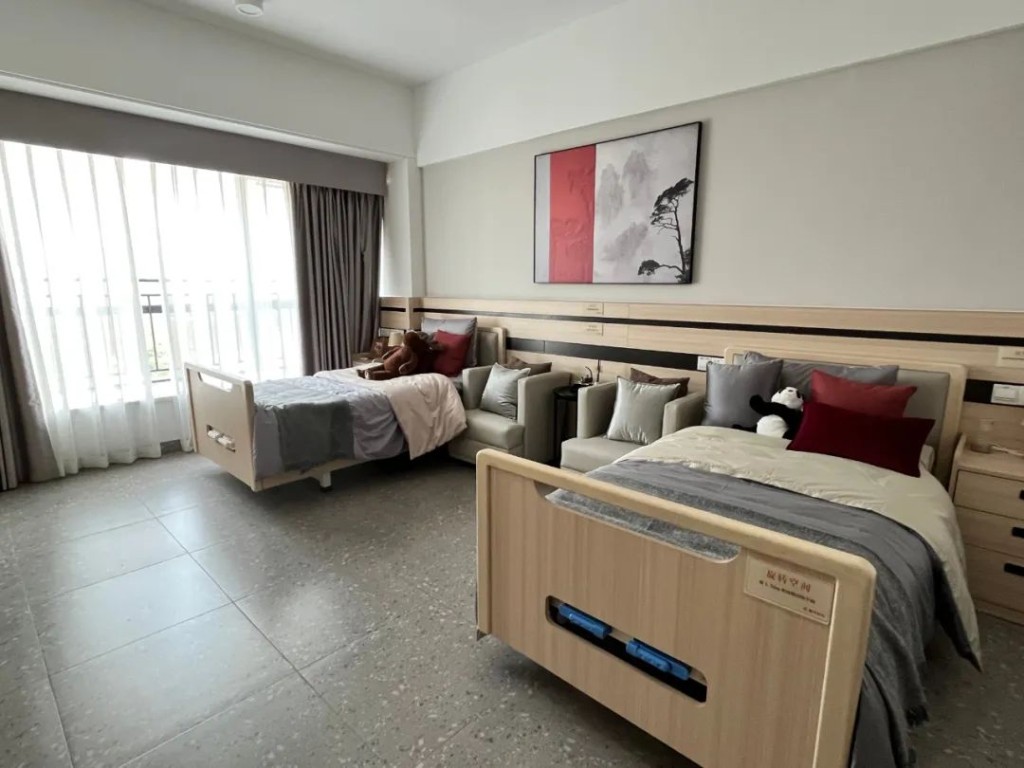
The report recommended that the Hong Kong government procure specialist medical services, including cataract surgery, knee replacements and diagnostic imaging, from accredited private providers in the mainland cities of the GBA.
It said such an arrangement could provide a practical alternative for elderly residents with urgent medical needs who cannot afford private treatment in Hong Kong.
The foundation also proposed establishing a GBA care-navigation network and partnering with organizations across the region to provide continuous support for retirees.
The think tank urged the government to shift its elderly care strategy toward a “GBA regional complementary” model by leveraging the strengths of mainland cities to build a mutually beneficial regional eldercare ecosystem.