Read More



Night Recap - August 24, 2026
2 hours ago




IT manager sentenced to 22 months for stealing $1.2m in Deloitte laptops
21-08-2026 21:49 HKT


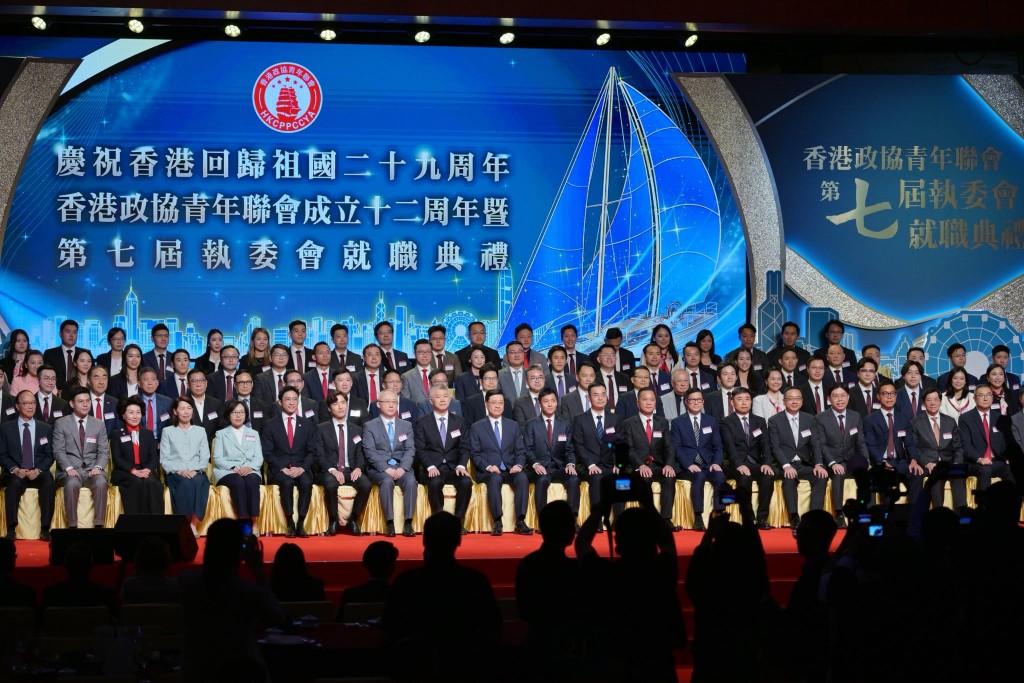
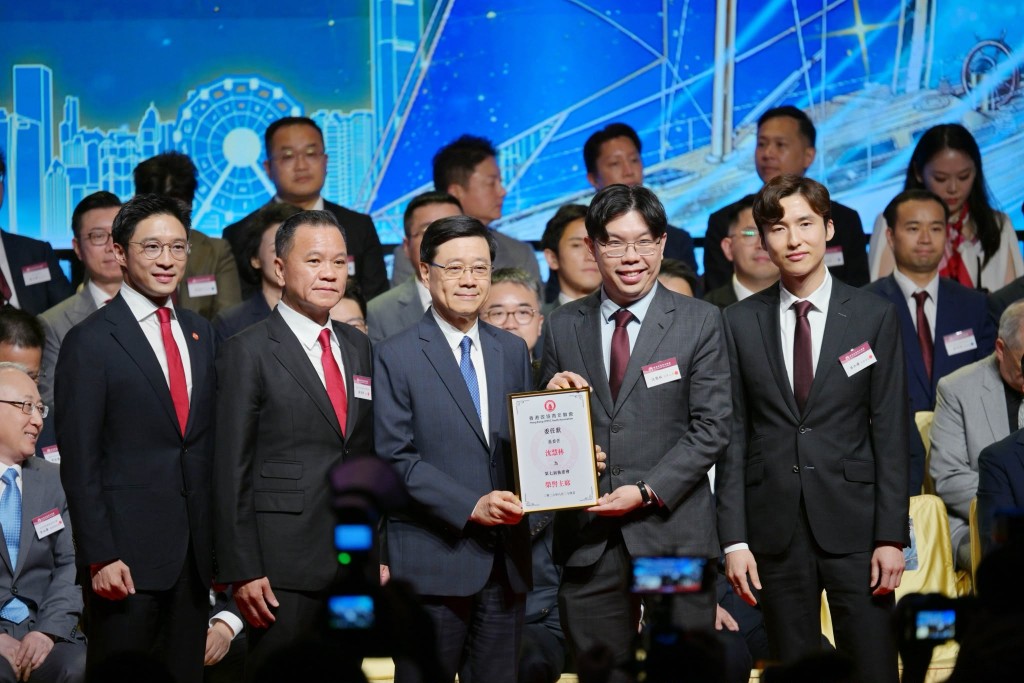
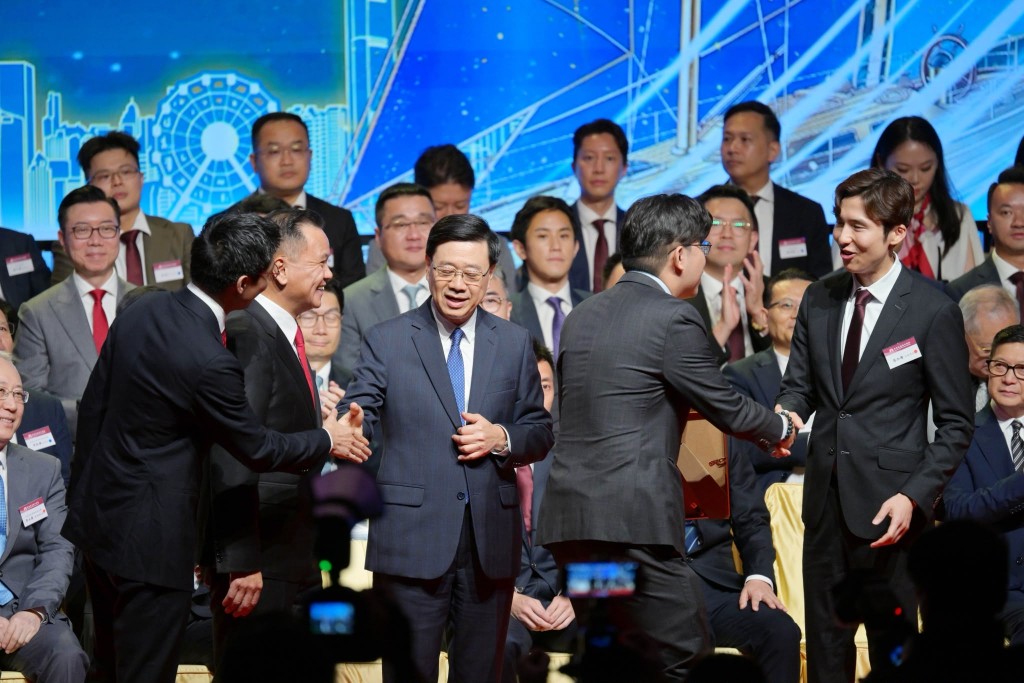

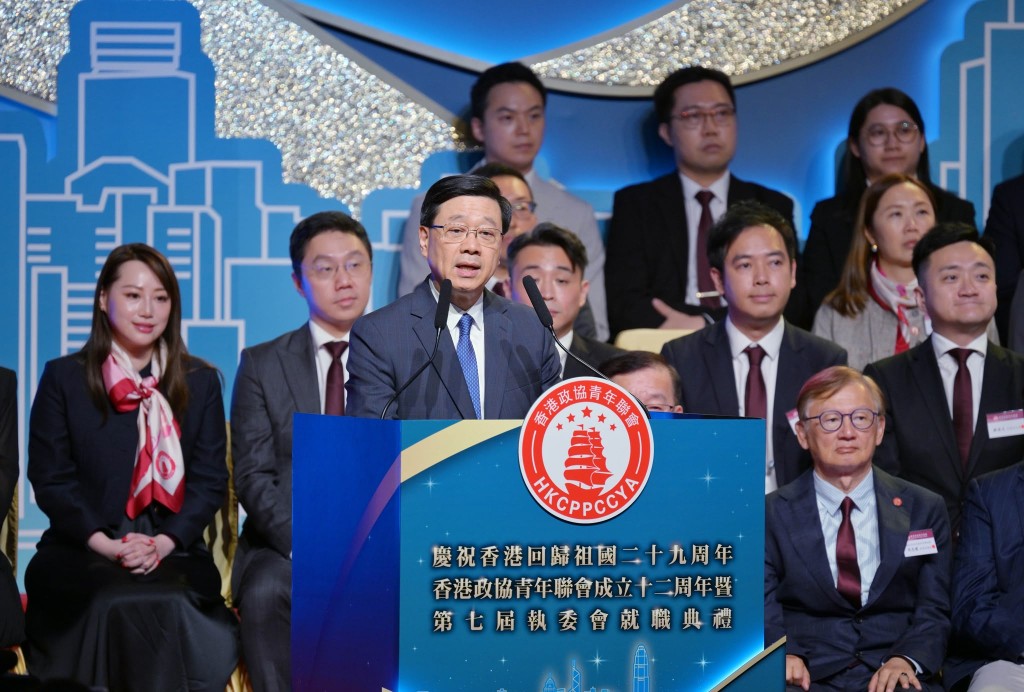
Chief Executive John Lee Ka-chiu emphasized that young people are the future of Hong Kong and a vital new driving force for national development during a speech on Monday.
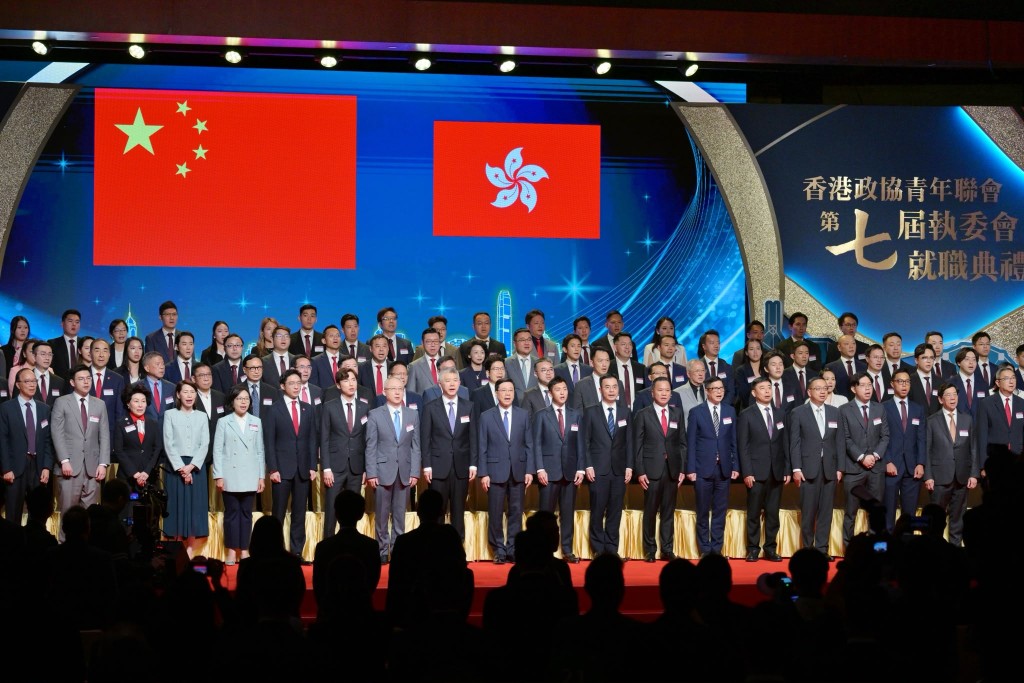
He made the remarks while attending the inauguration ceremony of the seventh executive committee of the Hong Kong Chinese People's Political Consultative Conference (CPPCC) Youth Association at the Hong Kong Convention and Exhibition Centre. The event also marked the 29th anniversary of Hong Kong's return to the motherland and the 12th anniversary of the association's founding.
The ceremony drew a wide array of prominent political and business figures, including central government representatives and local officials.
Attendees included Deputy Director of the Beijing's liaison office in Hong Kong Sun Shangwu, Acting Commissioner of the Ministry of Foreign Affairs in Hong Kong Li Yongsheng, Secretary for Security Chris Tang Ping-keung, Secretary for Home and Youth Affairs Alice Mak Mei-kuen, Director of Immigration Benson Kwok Joon-fung, and the association's founding president Karson Choi Ka-tsan.
During his address, Lee congratulated the incoming committee and referenced the national 15th Five-Year Plan's robust support for youth development, noting that society must create favorable conditions for young people to grow and build successful careers.
He revealed that the special administrative region government is currently formulating Hong Kong's very first five-year plan to align with the broader national strategy.
This plan will serve as a forward-looking and strategic blueprint for the city's economic and social development over the next half-decade.
Lee noted that the public consultation period for the local five-year plan had just concluded, during which many young people actively shared their views.
He stated that the government is currently analyzing this feedback at full speed, with the goal of publishing the finalized document next month.
Highlighting his administration's ongoing commitment to the younger generation, Lee recalled the release of the Youth Development Blueprint during his first year in office, which introduced over 160 initial support measures.
To ensure policies remain relevant and responsive, he mentioned that approximately 130 additional initiatives covering employment, entrepreneurship, and mental health have since been rolled out to support youth at different stages of their lives.
Lee commended the association for its ongoing efforts since 2014 to unite patriotic youth and nurture social leaders.
Moving forward, he encouraged the new executive committee to fulfill three primary functions.
First, he urged them to act as a two-way bridge that accurately conveys government policies to young people while simultaneously reflecting the thoughts of the youth back to the administration.
Second, he hoped the association would serve as an incubator for talent by discovering young individuals with potential and encouraging their participation in public affairs and district governance.
Finally, he asked the association to build a robust resource platform that leverages networks in the mainland, particularly in the Greater Bay Area, to provide high-quality exchange, internship, and entrepreneurial opportunities.
The newly inaugurated chairman of the seventh executive committee, Solomon Yung Sze-hon, stated that the association has consistently adhered to its mission of serving the country, Hong Kong, and its members over the past 12 years.
He outlined three core operational directions for his term. The first focuses on using national security and ethnic identity as a foundation for youth development, which will involve deepening national security education and organizing mainland study tours to enhance understanding of the country's history and achievements.
Secondly, Yung committed to utilizing the unique advantages of a CPPCC youth organization to build better communication bridges between young people, the Hong Kong government, and various mainland sectors.
Lastly, he emphasized a commitment to community service, pledging to organize youth to support grassroots citizens and share the fruits of the city's development.
The outgoing chairman of the sixth executive committee, William Shum Wai-lam, also reflected on his two-year tenure.
He expressed gratitude for the widespread support from all sectors of society and noted that his team had successfully stayed rooted in the youth community while systematically advancing work in national education, cross-border exchanges, and public welfare.