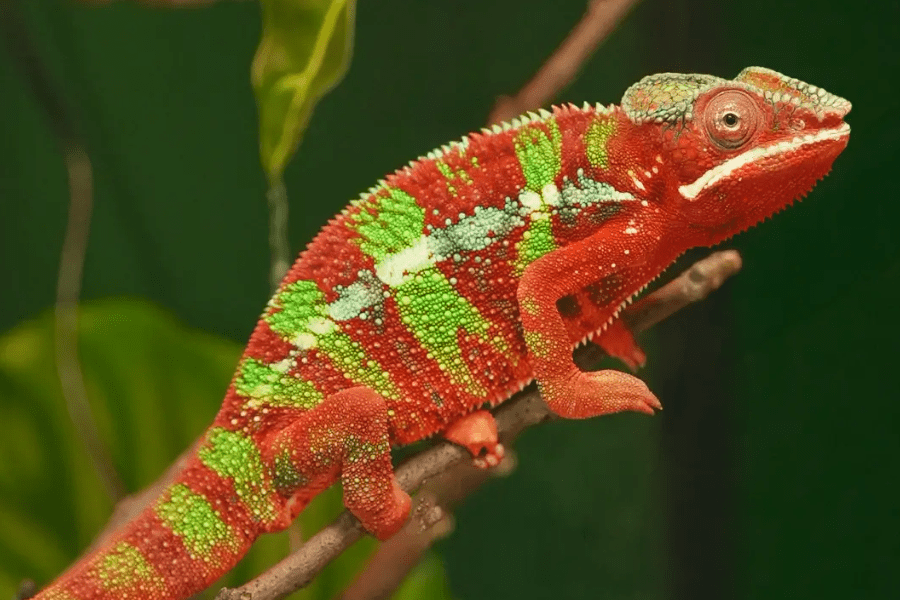
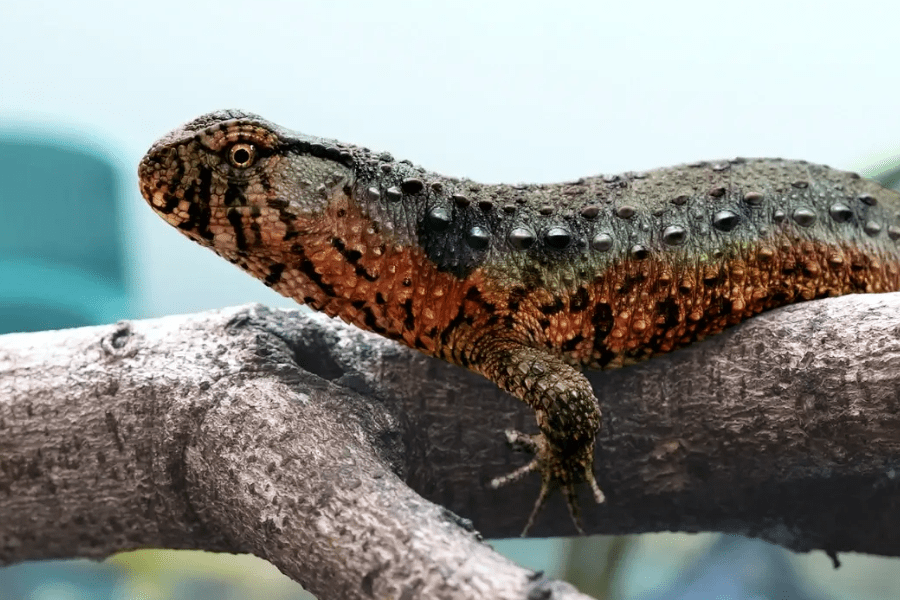
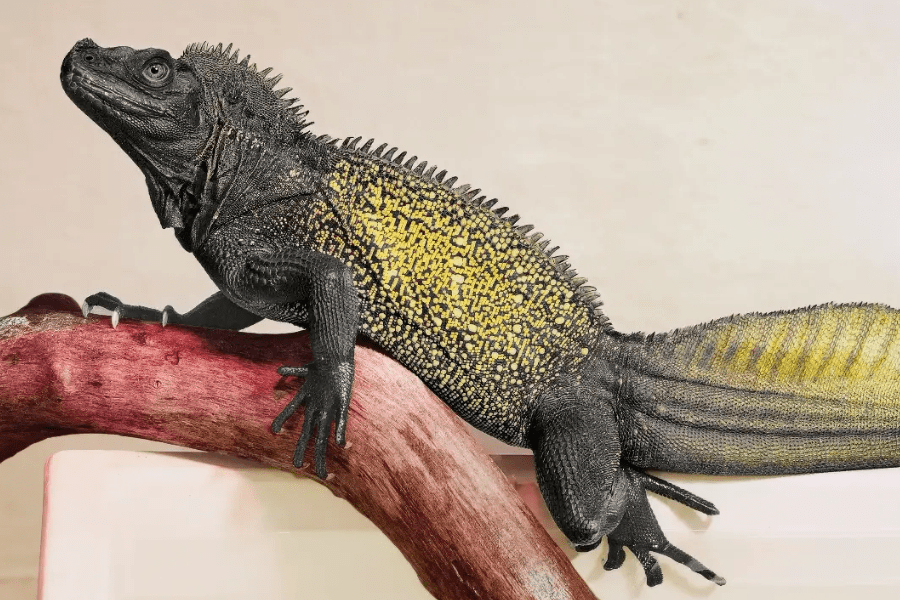
More than 20 reptile species will go on display at Ocean Park from Friday as its new “Reptile Territory” aims to show visitors a gentler and often misunderstood side of the animals.
ADVERTISEMENT
SCROLL TO CONTINUE WITH CONTENT
The exhibit brings together reptiles from different parts of the world, alongside interactive experiences including feeding demonstrations and talks by animal caretakers.
+1
New home for rescued animals
Philip Wong Wing-hong, general curator of Zoological Operations and Conservation at Ocean Park, said some of the animals on display had been confiscated by the Agriculture, Fisheries and Conservation Department and subsequently placed in the park’s care.
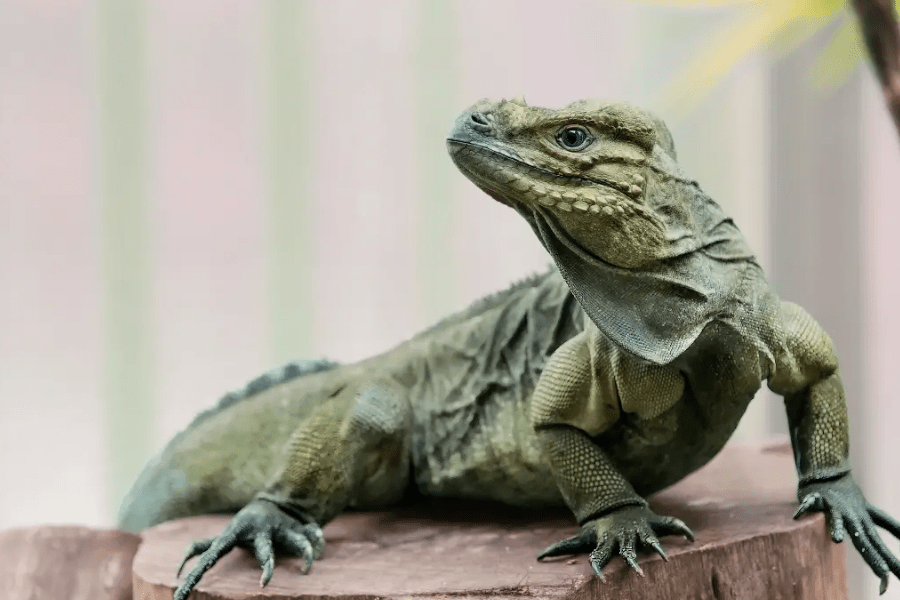
Among them are the endangered rhinoceros iguana and the blue-tongued skink, both of which have a relatively gentle nature despite their striking appearance, Wong said.
He explained that male rhinoceros iguanas may nod their heads as part of courtship behavior, while blue-tongued skinks use hissing and their distinctive blue tongues to deter potential predators.
Wong said the rescued animals arrived at the park in varying states of health, but all are now in good condition following care and rehabilitation.
Hopes to change perceptions
Ocean Park chairman Paulo Pong Kin-yee said the exhibit would offer a range of interactive and educational elements, including information panels and staff-led talks to help visitors learn more about reptile appearances, behaviors and habitats.
He said he hoped the experience would encourage visitors to coexist with nature and think carefully before buying exotic animals that may not be suitable for keeping at home.
Mickey Lam Kin-ming, director of the Agriculture, Fisheries and Conservation Department, highlighted the important role reptiles play in food chains and ecosystems, noting that they are often overlooked in conservation because of their distinctive appearance.
He said reptiles face growing threats from habitat loss and the wildlife trade, making conservation efforts increasingly important.
By allowing visitors to observe the animals up close, Lam said he hoped the exhibit would help challenge common misconceptions, encourage a more scientific understanding of reptiles and inspire greater support for their protection.