
Read More
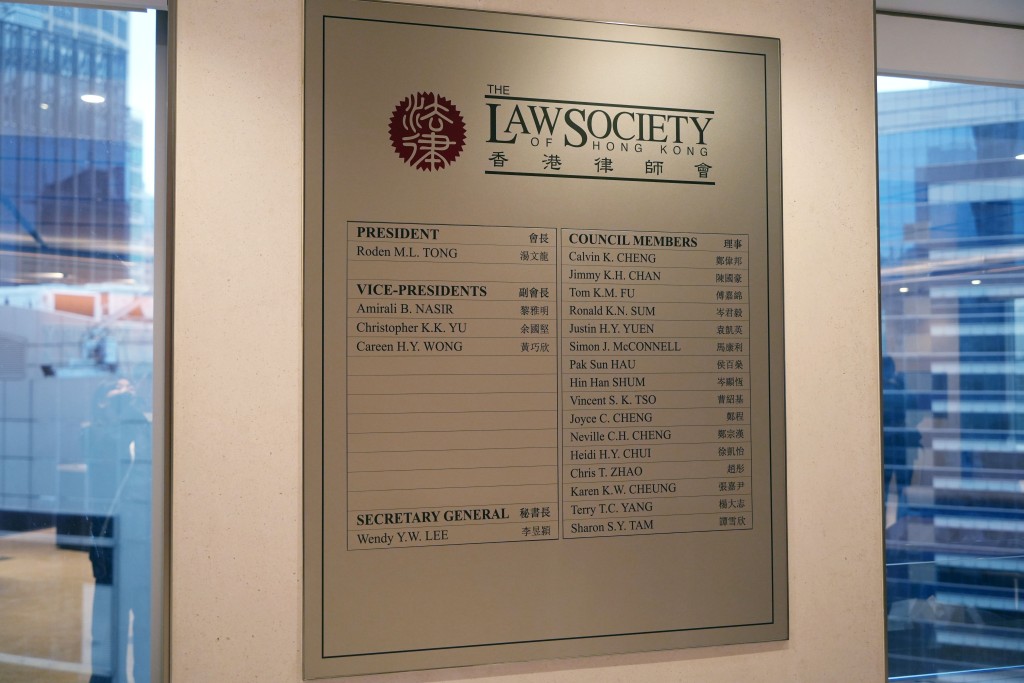
The Law Society of Hong Kong has submitted a proposal to the government for the 2026 Policy Address, outlining legal reforms in key areas, including artificial intelligence, portrait rights, virtual assets, sports, family offices, and an aging population.
ADVERTISEMENT
SCROLL TO CONTINUE WITH CONTENT
Tackling AI and deepfake threats
Addressing the threats posed by AI and the unauthorized use of an individual’s face, voice, and likeness, the society urged the government to review current laws and explore statutory protections for portrait rights, personal image, and publicity rights to combat deepfake risks.
Navigating virtual assets and digital disputes
To handle potential disputes in digital assets, the society recommended establishing a specialized panel of technology experts and arbitrators, drafting model arbitration clauses for tokenized products and virtual asset transactions, and providing guidance on bridging arbitration, regulatory measures, and court remedies.
Additionally, the proposal recommended training on blockchain systems, smart contracts, custody frameworks, tokenomics, and digital forensics for arbitrators, advocates, institutions, and industry players.
Promoting sports law and dispute resolution
To align with Hong Kong’s development as a major sports events hub, the society renewed its call for a dedicated Sports Law Office.
It also advocated establishing sports-specific dispute prevention and resolution mechanisms.
Beyond arbitration and mediation, it emphasized early risk identification, clear contractual duties, robust disciplinary and selection rules, and practical guidance for sports bodies, athletes, coaches, and sponsors to resolve issues before formal proceedings.
These measures could help reduce legal costs, protect relationships, and minimize disruptions.
Attracting global wealth via family offices
Regarding family offices and wealth management, the proposal suggested refining tax concessions and setting clear licensing exemptions—or “safe harbor” provisions—for single-family offices that meet specific conditions.
This aims to ensure Hong Kong maintains its competitive edge in attracting global wealth.
Maximizing intellectual property infrastructure
On intellectual property, the society urged the IP Financing Sandbox initiative to accumulate practical case studies covering rights verification, valuation, charge documentation, risk assessment, insurance, default management, and value realization.
It stated that Hong Kong should make full use of its IP trading infrastructure by transforming the upgraded Asia IP Exchange into an active marketplace rather than a passive registry. It also called for an IP Academy to offer interdisciplinary courses for legal and related industry professionals.
Protecting the elderly and vulnerable groups
Addressing the aging population, the society strongly advised the government to prioritize implementing a continuing powers of attorney system. This would allow individuals to appoint trusted representatives in advance to manage their personal care, medical, and welfare decisions should they become mentally incapacitated.
Finally, it suggested streamlining relevant legal procedures and strengthening safeguards for vulnerable groups, particularly the elderly, to prevent abuse and financial exploitation.