Read More



Night Recap - October 2, 2026
13 hours ago



The Democratic Alliance for the Betterment and Progress of Hong Kong (DAB) on Monday has called for reducing the Category C quotas under the Top Talent Pass Scheme while introducing a new visa category for talents in the new quality productive forces.
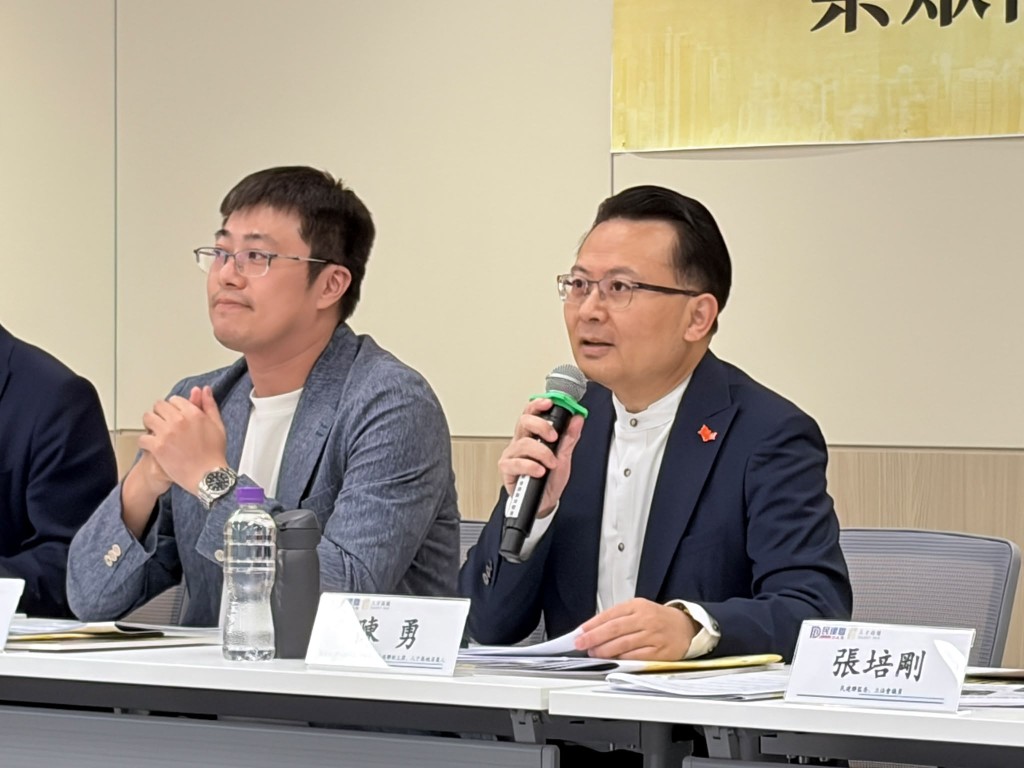
Releasing its talent proposal today, DAB vice-chairperson and Talent Hub convener Brave Chan Yung said Hong Kong must build its identity as a talent brand linked to the Greater Bay Area and new quality productive forces.
He noted that many regions focus on developing distinct talent identities, citing Silicon Valley’s association with IT professionals and France’s reputation for arts and architecture.
He urged the government to use national publicity platforms, social media, and international forums to promote the city’s advantages under the “one country, two systems” framework and its role within the country’s 15th Five-Year Plan.

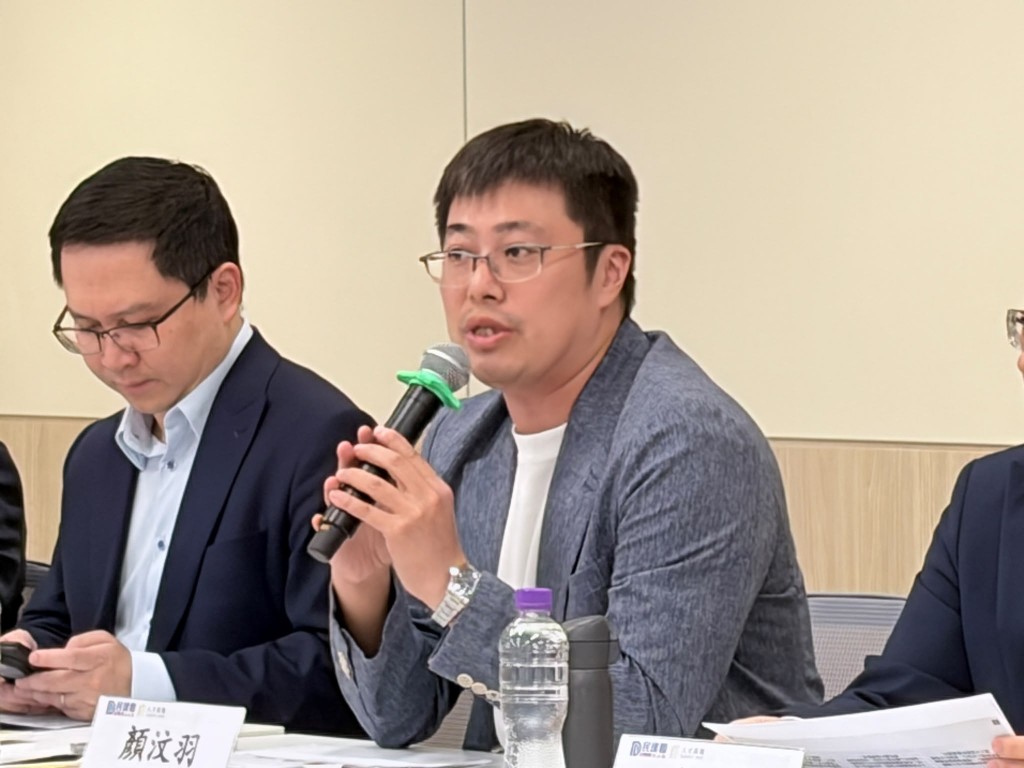
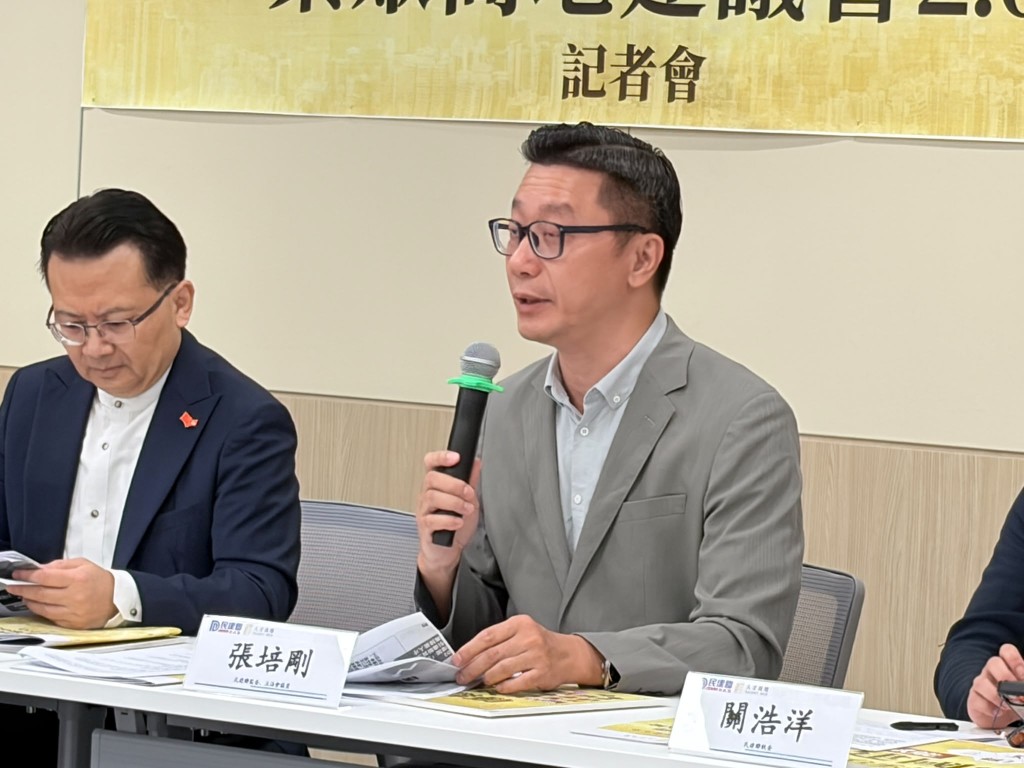
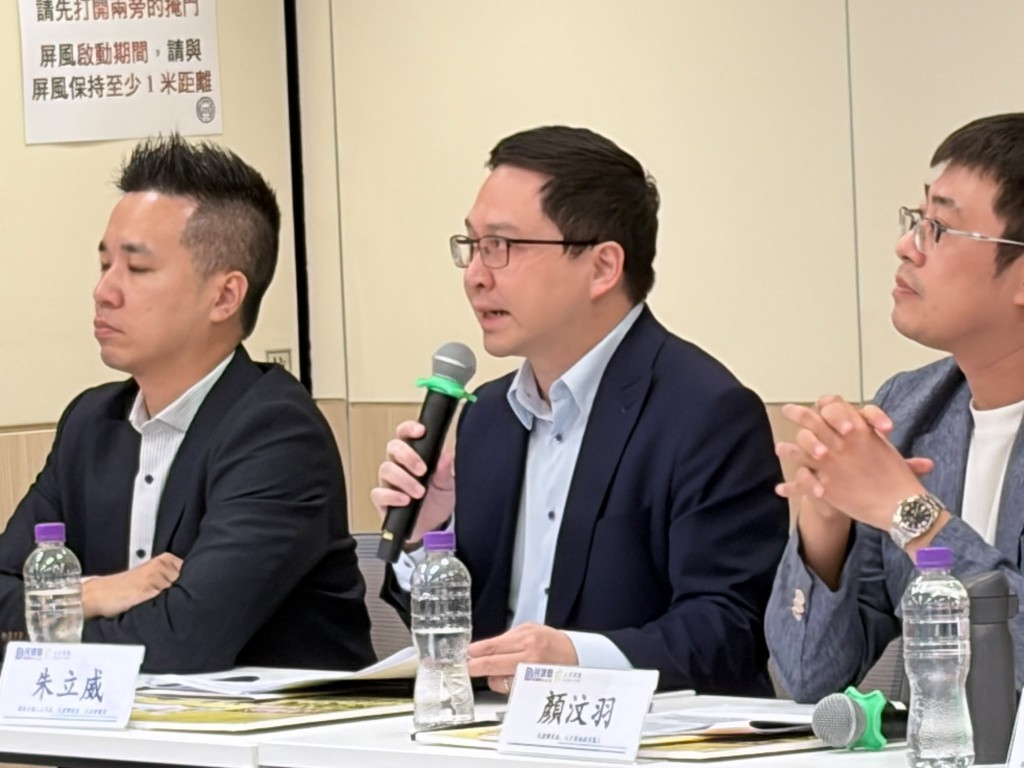
DAB standing committee member Frankie Ngan Man-yu suggested reducing the Category C quotas—which target recent graduates from top global universities with less than three years of work experience—and adding a new Category D visa for skilled professionals in "new quality productive forces."
He advised introducing mandatory renewal criteria for these new visa holders, requiring them to work in relevant industries and facilitate technology transfers to enhance local competitiveness.
Lawmaker Cheung Pui-kong called for support from the central government to establish national key laboratories or branch centers in the Hong Kong Park of the Hetao Shenzhen-Hong Kong Science and Technology Innovation Co-operation Zone and the San Tin Technopole.
These centers would focus on emerging sectors such as biomedicine, artificial intelligence, and semiconductor research to take on national-level projects.
Lawmaker Roy Chu Lap-wai recommended increasing the non-local student quota for self-financed university programs to 50 percent and raising postgraduate over-admission capacity to 120 percent by 2027.
Addressing recent cases involving falsified academic credentials in talent admission schemes, Chu called for a crackdown on fraudulent applications and urged closer cooperation between Hong Kong and mainland authorities to improve degree verification systems.