






Read More


Morning Recap - October 15, 2026
5 hours ago






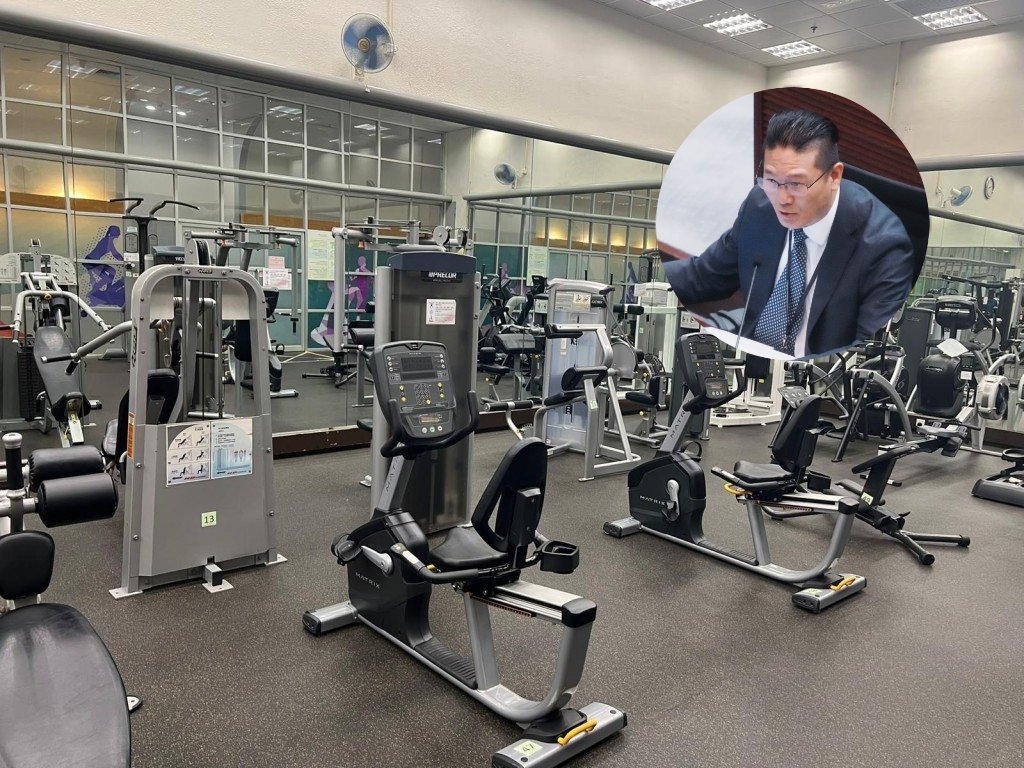
Reforms demanded to fix Hong Kong's severely oversubscribed public gyms
14-10-2026 11:45 HKT
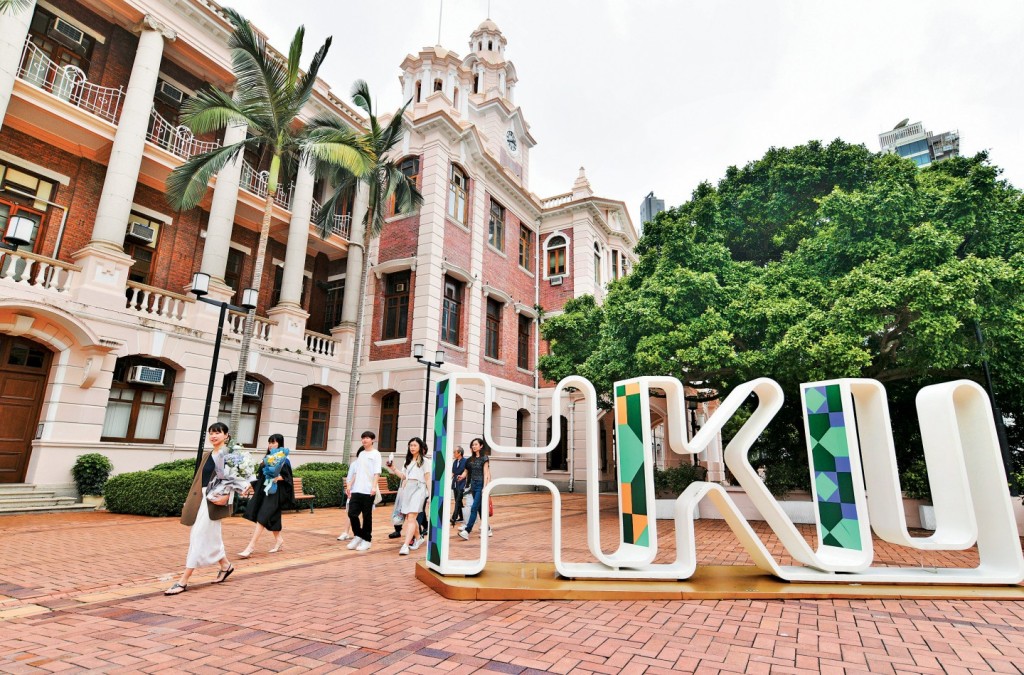
Hong Kong has risen to sixth globally for the strength of its universities while retaining 17th place overall in the QS Best Student Cities 2027 ranking.
The city recorded an overall score of 87.7, broadly unchanged from 88.3 last year, and remained the sixth-highest-ranked city in East Asia behind Seoul, Tokyo, Beijing, Taipei and Kyoto.
The ranking, released by higher education consultancy QS Quacquarelli Symonds, assesses 150 cities across university quality, desirability, employer activity, affordability, student mix and student views.
Hong Kong’s strongest performance was in the University Rankings category, where it climbed one place to sixth with a score of 79.1, up 2.4 points.
Only Seoul, London, Beijing, Tokyo and Paris ranked higher, while Hong Kong finished ahead of Boston, New York, Melbourne, Sydney and Singapore.
The result was supported by 10 ranked institutions and the continued rise of local universities in the QS World University Rankings 2027.
The University of Hong Kong remained 11th globally, while Chinese University climbed to 18th, placing two Hong Kong institutions in the global top 20 for the first time.
Hong Kong University of Science and Technology ranked 33rd, Polytechnic University entered the top 50 at 50th and City University placed 52nd. Half of the city’s ranked institutions were among the world’s top 100.
Meanwhile, Hong Kong ranked 49th for Student Mix, down two places despite its score rising 1.9 points to 79.4.
The category considers not only the proportion of international students, but also total enrollment, the size of the student population relative to the city and external measures of tolerance and inclusion.
Hong Kong universities continued to perform strongly in internationalization indicators, with five institutions ranked among the world’s top 50 for their proportion of international faculty. City University was also 11th globally for its international student ratio.
However, the city’s non-local student population remains heavily concentrated. In the 2023-24 academic year, 77 percent of non-local students in University Grants Committee-funded programs came from mainland China, compared with 19 percent from elsewhere in Asia and 4 percent from other regions.
Hong Kong’s sharpest decline was in Desirability, where it fell seven places to 36th. Its score dropped 4.2 points to 74.6.
The category combines students’ preferred study destinations with indicators covering safety, healthcare, pollution, climate, commute times and international connectivity. The published results did not specify which factors drove the decline.
Affordability remained Hong Kong’s weakest category. The city slipped one place to 86th, with its score falling 1.6 points to 37.2.
Average international tuition fees at its ranked universities were about US$18,900 a year, the highest among East Asian cities in the ranking and more than double the average in Tokyo.
Student housing also remains a constraint. Hong Kong had about 44,000 hostel places for roughly 192,000 full-time undergraduate and postgraduate students in the 2024-25 academic year.
The number of full-time non-local students across the wider postsecondary sector had meanwhile reached about 79,300.
The government has introduced the Hostels in the City Scheme to facilitate the conversion of hotels and commercial buildings into student accommodation and has identified additional sites for hostel development.
However, the pace, price and location of new supply will determine whether accommodation can keep up with Hong Kong’s expansion of international student recruitment. Without sufficient hostel places, more students could be pushed into the city’s already costly private rental market.