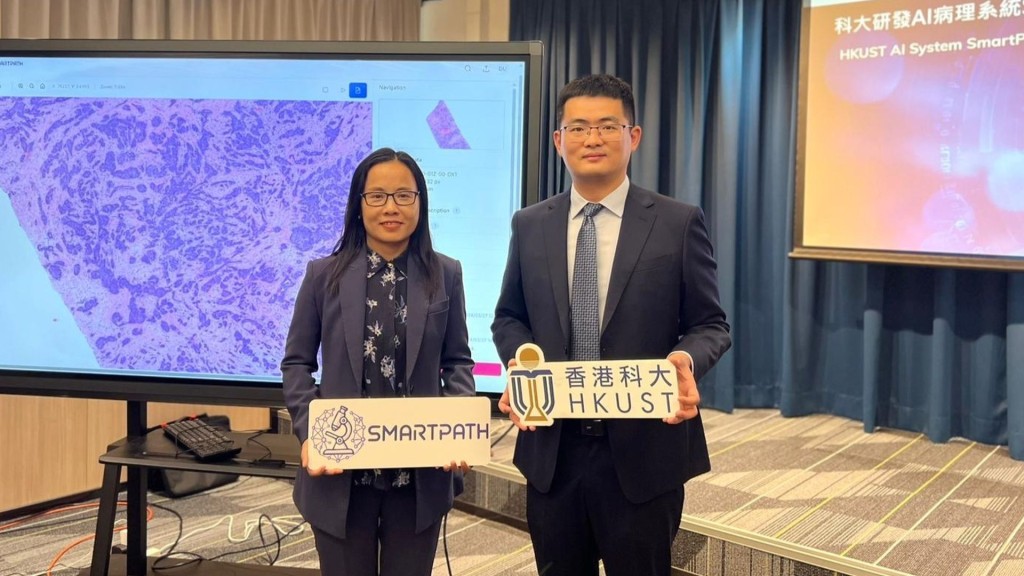
Hong Kong University of Science and Technology announced yesterday the successful development of an innovative artificial intelligence pathology analysis system called "SmartPath." The system integrates clinical diagnosis, classification, biomarker quantification, treatment evaluation, and prognosis follow-up functions, providing one-stop cancer diagnosis support that is expected to significantly improve medical diagnosis efficiency and accuracy.
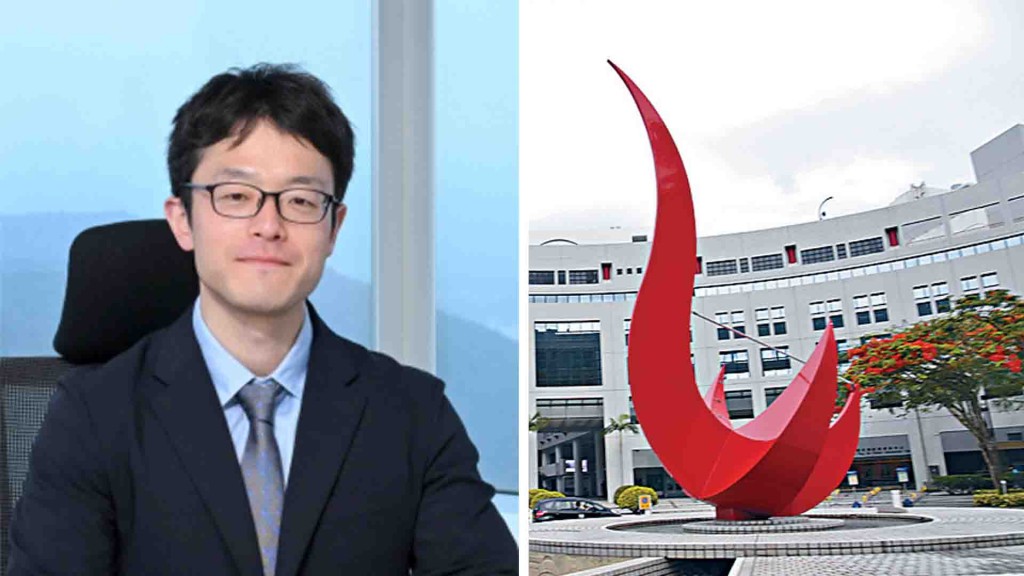
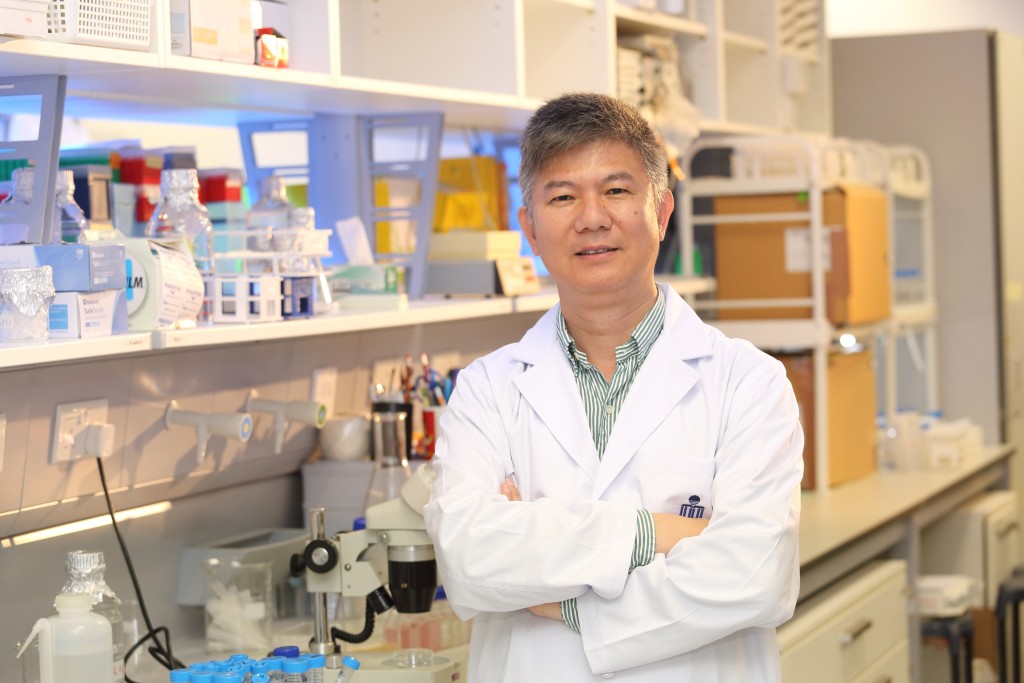
Lead researcher Professor Hao Chen stated SmartPath can accurately diagnose multiple cancers with highest incidence rates in Hong Kong, achieving overall accuracy exceeding 95%. He believes the system will effectively enhance doctors' diagnostic efficiency.
Developed by HKUST's Department of Computer Science and Engineering and Department of Chemical and Biological Engineering, SmartPath covers 34 human tissue areas and over 500,000 whole-slide images. It assists healthcare professionals in cancer grading/classification, treatment response evaluation, survival rate prediction, and rapid generation of detailed pathological reports.
The system's core capabilities are driven by two major AI models. The General Pathology Foundation Model provides a unified framework for precise identification of common cancers including lung, breast, colorectal and gastric cancers, while predicting patient survival and treatment responses. The multimodal whole-slide pathology foundation model integrates pathological images with text data such as reports and transcriptomics, automatically generating comprehensive reports within minutes.
The research team has conducted clinical validation at over 10 top hospitals in mainland China and Hong Kong. SmartPath has demonstrated over 95% overall accuracy across multiple cancer types, improving diagnostic reliability while significantly shortening diagnosis cycles. The team plans further expansion to cover more rare and genetically complex cancer types.