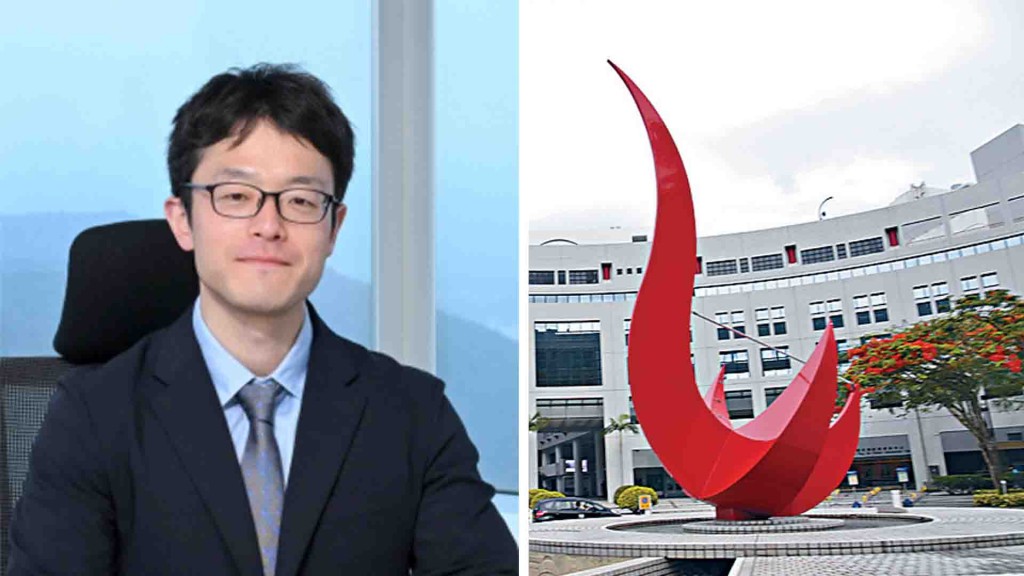
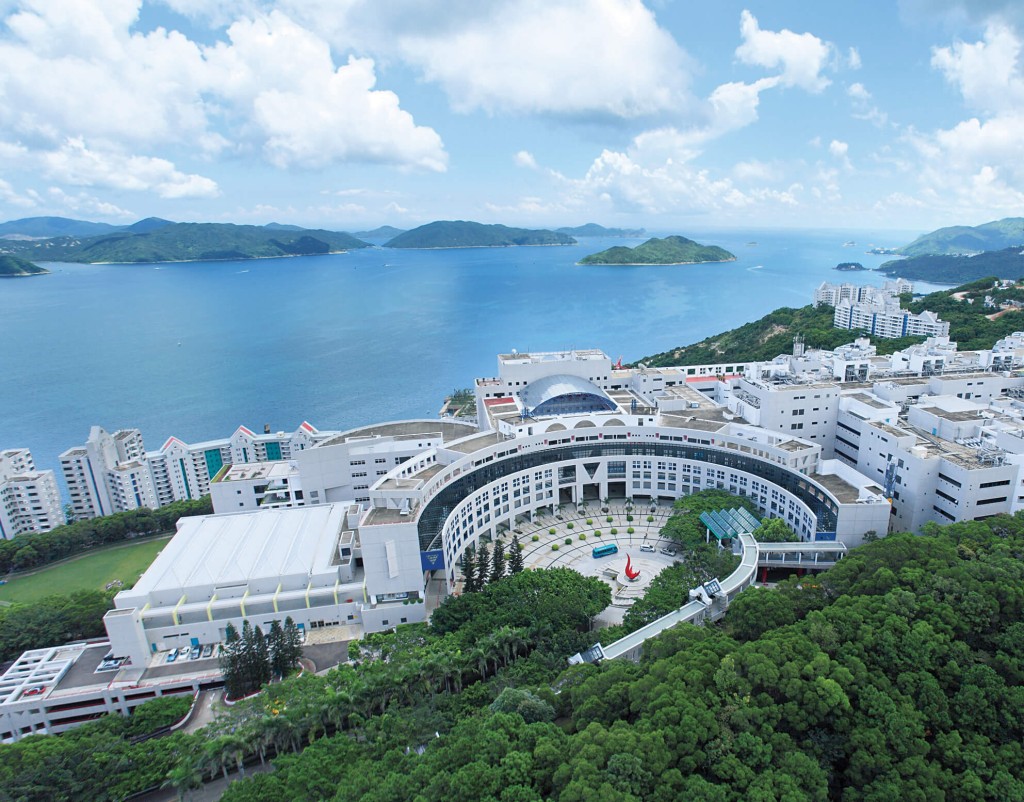
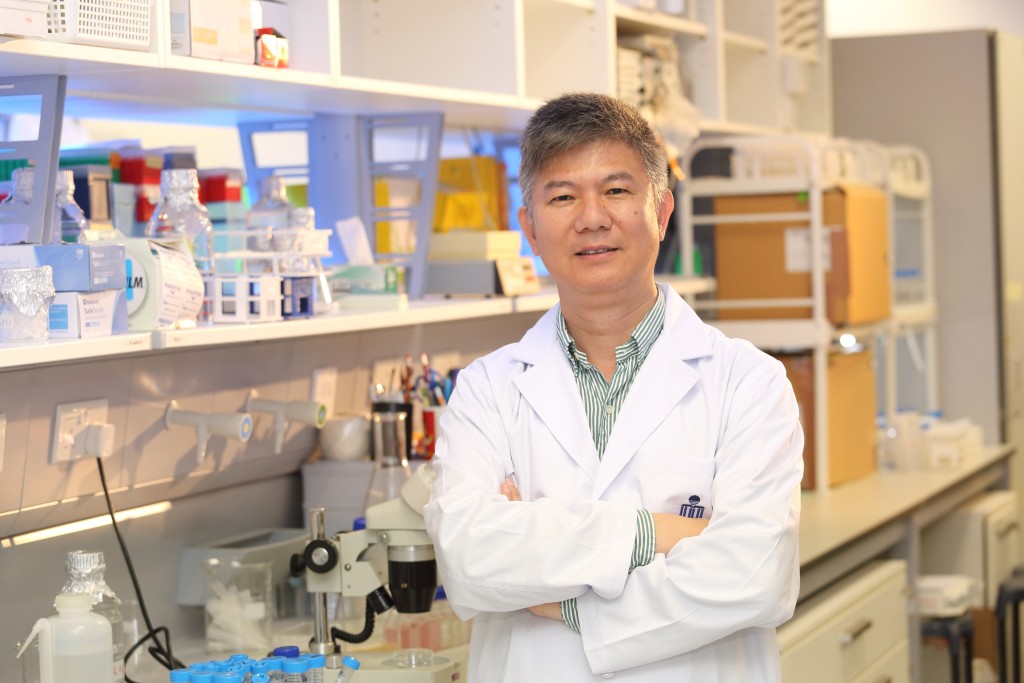
Award-winning Japanese quantum physicist Haruki Watanabe has left the University of Tokyo for the Hong Kong University of Science and Technology, citing a salary roughly three times higher and a research budget about 10 times larger than what his home institution could provide.
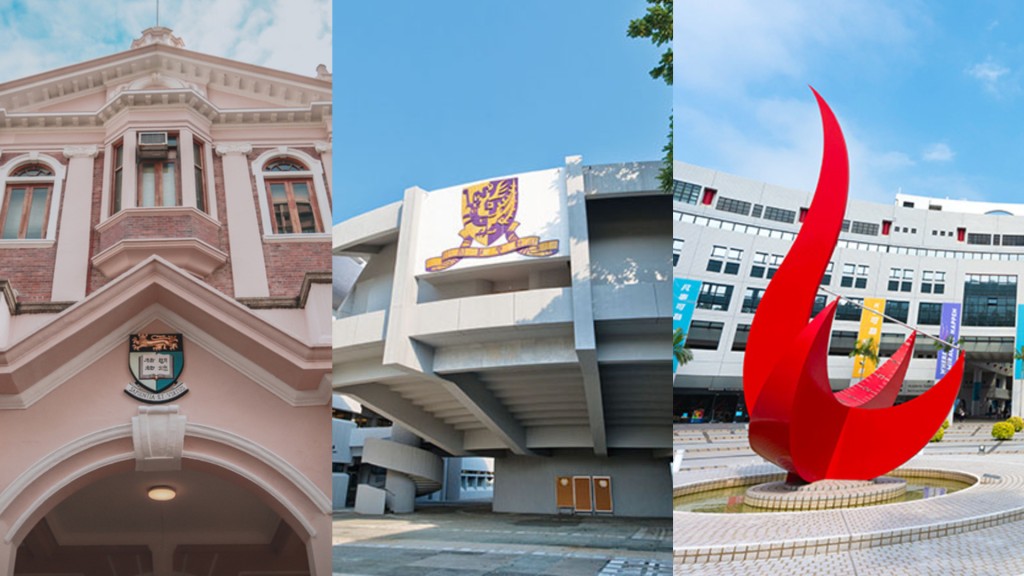
Watanabe, a condensed matter theorist who shared a 2022 Breakthrough Prize for his work on exotic new phases of matter, took up a dual appointment at HKUST in March as professor of physics and a professor at the university's Jockey Club Institute for Advanced Study.
In an interview with Nikkei, Watanabe said he spent seven years as an associate professor at the University of Tokyo's Department of Applied Physics hoping to move up to a full professorship. With no opening at his home institution, he applied to several Japanese national universities while also looking abroad. HKUST eventually made an offer that made the decision straightforward.
HKUST offered Watanabe startup funds of about 100 million yen (US$629,000) over his first five years to build his laboratory. By contrast, full professors at the University of Tokyo typically receive about 2 million yen (US$12,600) a year for research, which Watanabe described as nowhere near enough to run a modern theoretical physics group.
As an associate professor in Tokyo, Watanabe earned roughly 10 million yen a year. Counting salary, housing allowance, health insurance, pension contributions and relocation expenses, his total package at HKUST came to about three times what he had been receiving in Japan.
Watanabe also noted that Japanese national universities do not disclose actual salary figures before a faculty hire begins work, while HKUST spelled out every line of the compensation package in writing before he accepted. That transparency, he said, was itself part of why he took the offer.
His move comes amid sustained Hong Kong spending on senior academic recruitment, including the Global STEM Professorship Scheme and a HK$3 billion Frontier Technology Research Support Scheme approved by the Legislative Council in May 2025 to help universities recruit top international researchers.