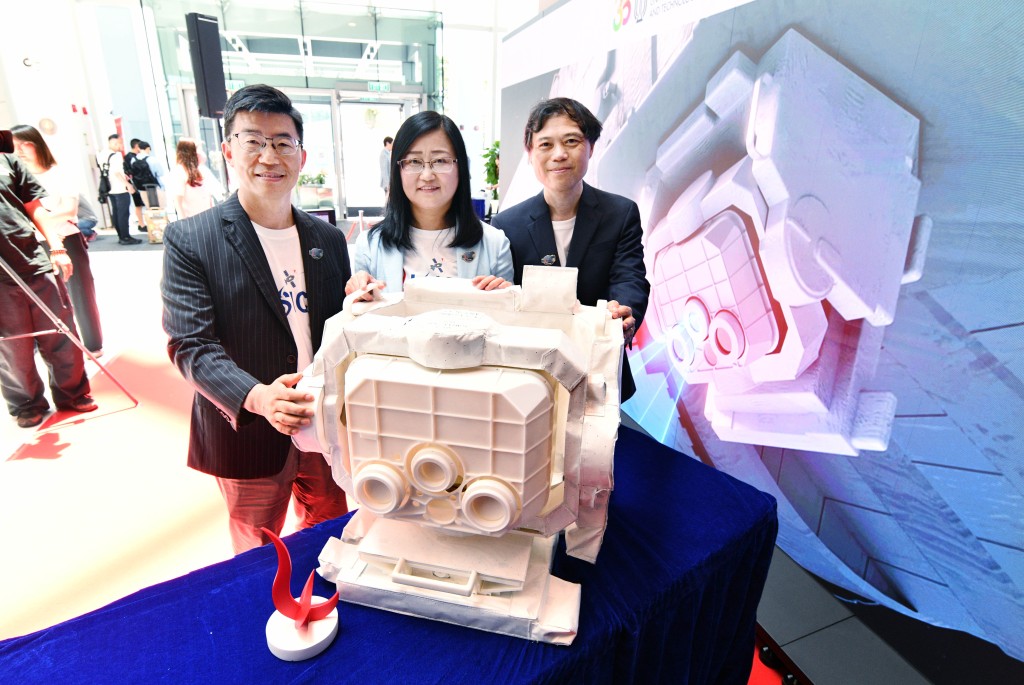
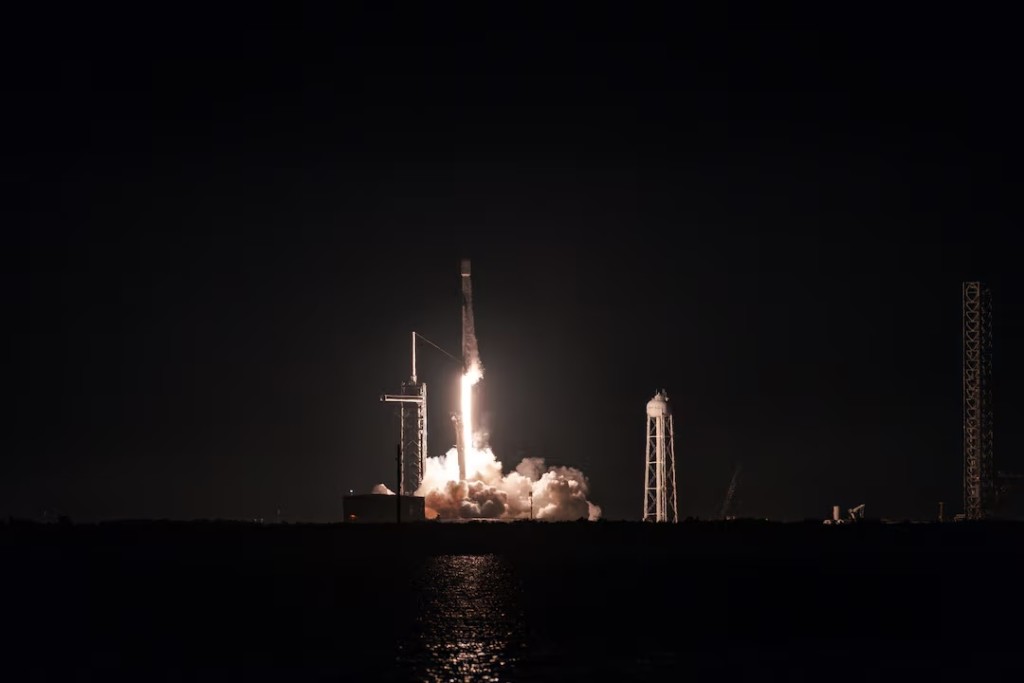
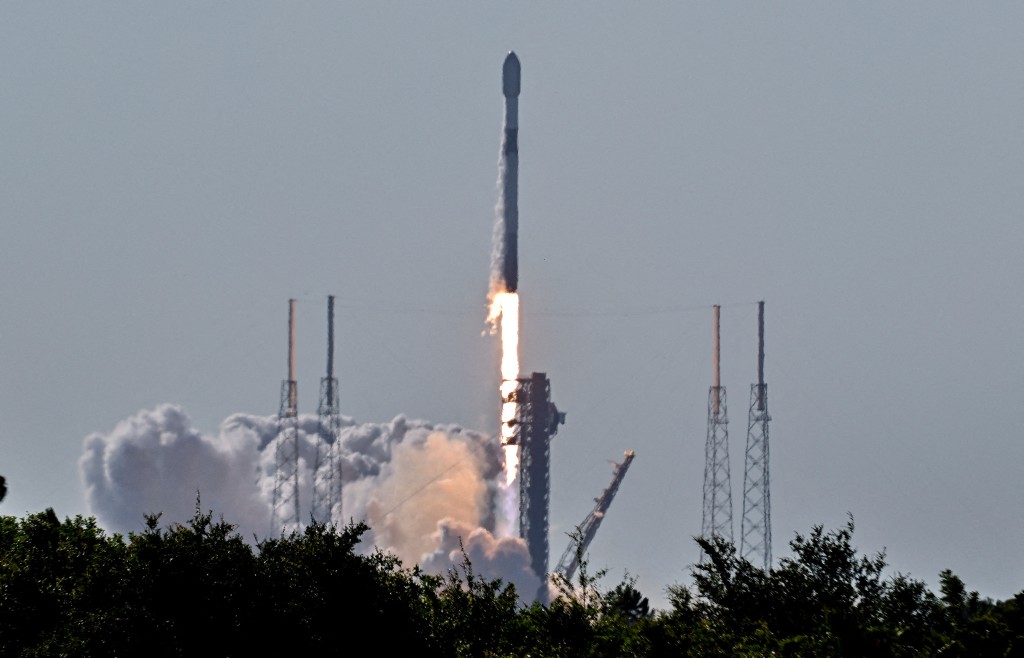
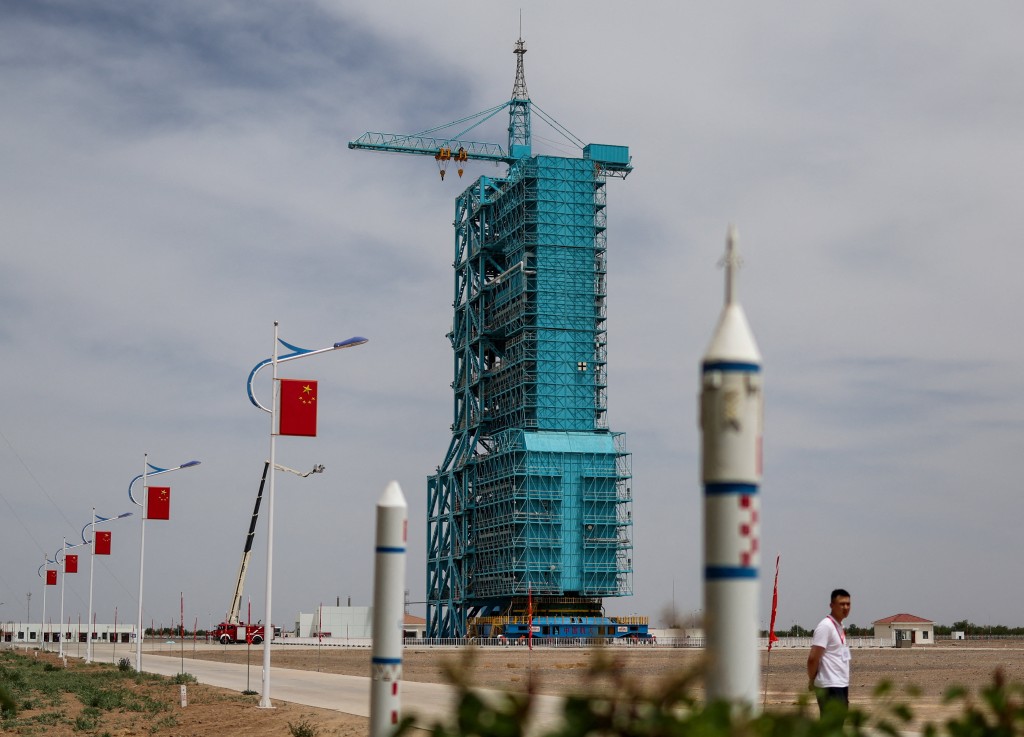
A greenhouse gas-monitoring instrument spearheaded by the Hong Kong University of Science and Technology (HKUST) was successfully launched into space aboard the Tianzhou-10 cargo spacecraft.
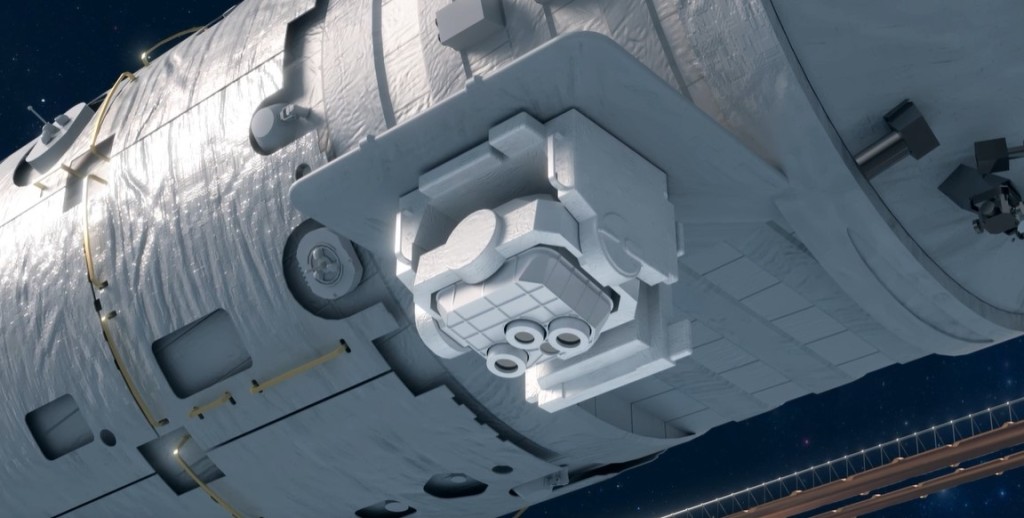
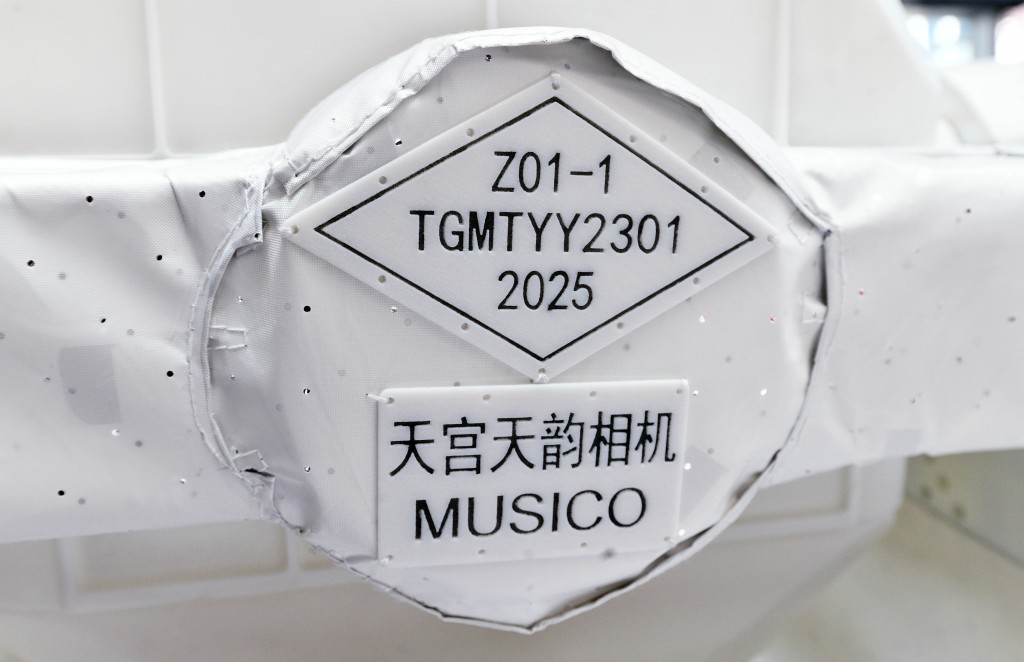
The instrument, named the Multi-Spectral Imaging Carbon Observatory (MUSICO), has since arrived at China's Tiangong space station.
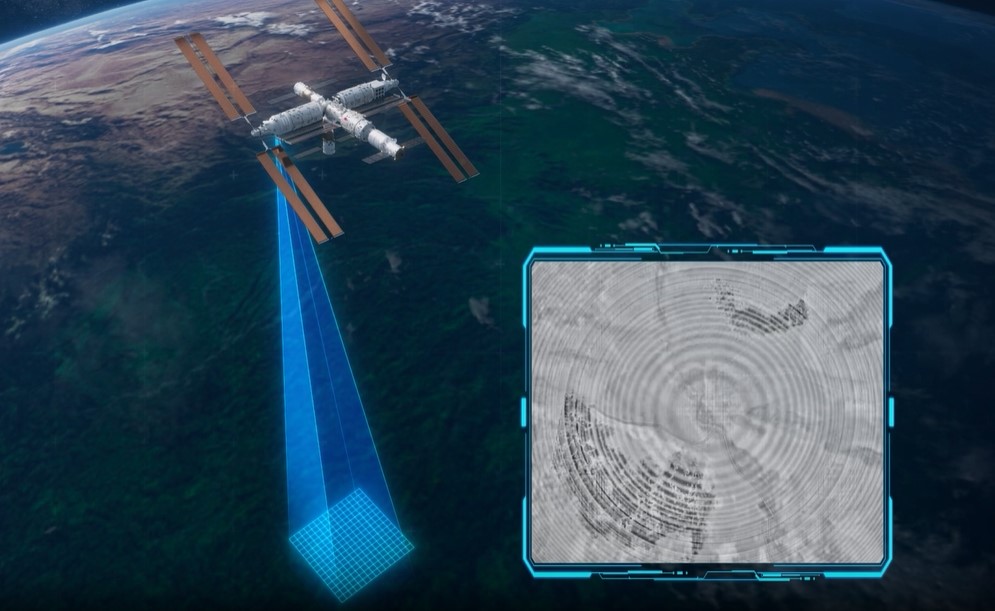
MUSICO can accurately measure two major greenhouse gases—carbon dioxide and methane—from space by analyzing changes in the solar spectrum. It is capable of identifying the sources of gas emissions, allowing for the precise monitoring of facilities such as power plants and landfills.
HKUST highlighted that this is the first-ever Hong Kong scientific payload to board the national space station, marking a historic breakthrough for the city in the research and development of high-end aerospace instruments.
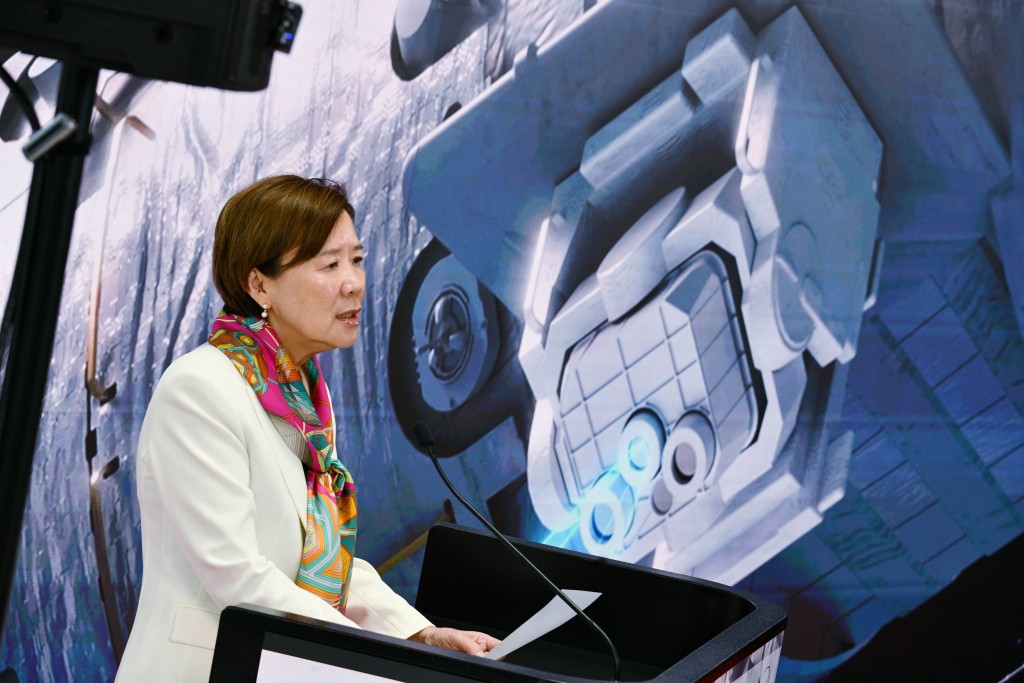
The project demonstrates the university's profound strength in the field of aerospace engineering, proving it is fully capable of undertaking national-level strategic tasks, HKUST president Nancy Ip Yuk-yu said.
Ip added that the project will provide the country with vital monitoring data on greenhouse gas emissions, serving the national strategic goal of carbon neutrality.
She further pledged that HKUST will continue to leverage its research strengths in areas such as artificial intelligence and robotics to help accelerate the nation's development into an aerospace powerhouse.