
Read More
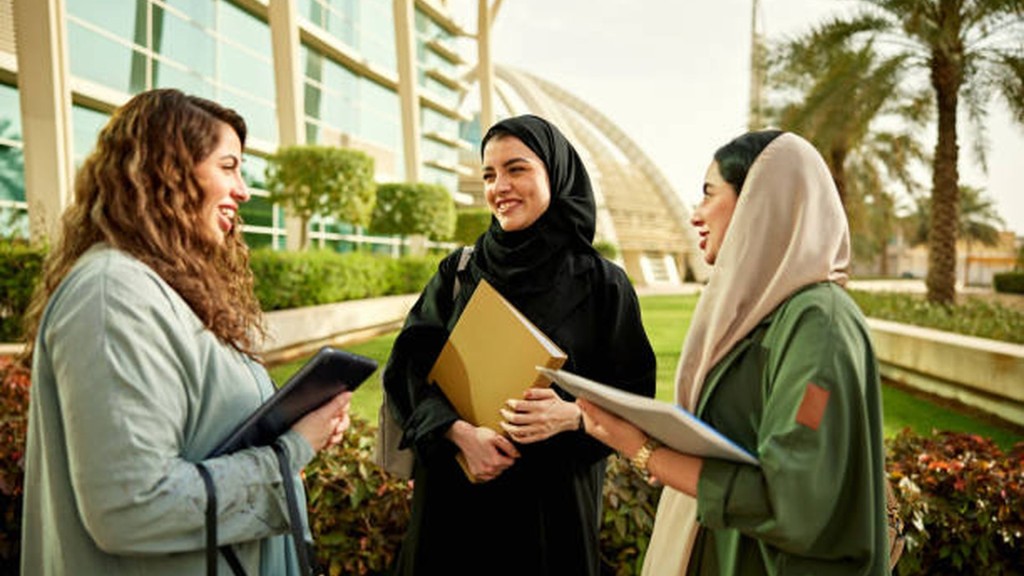
In the Arab world, friendship is far more than casual companionship; it is a profound, soulful bond deeply rooted in centuries of cultural heritage. Classical Arab philosophers once described true friendship as a “psychological blending” of minds, a sacred relationship built on the virtues of loyalty, secret-keeping, and the grace to overlook each other’s flaws. To this day, finding a friend means finding a sanctuary – someone who is, as ancient scholars beautifully wrote, “an ornament in prosperity and an armor in adversity.”
ADVERTISEMENT
SCROLL TO CONTINUE WITH CONTENT
This rich heritage seamlessly flows into modern Arab life, where friendships form with remarkable warmth and speed. However, the expectations often run deeper than in the West. Beyond merely enjoying each other’s company, an Arab friendship carries an unspoken, beautiful duty of mutual care. Stepping in to help a friend with a favour is never viewed as a burden; rather, it is the very lifeblood of the relationship. It is not a calculated exchange, but a genuine expression of respect and devotion. Because of this deep-seated loyalty, direct refusals are culturally jarring. An Arab friend will rarely say a blunt “no” to a request. Instead, social grace demands a gentle approach, listening with care and offering to try, even if the task is nearly impossible. Here, a “yes” is frequently a warm declaration of goodwill and intention, often accompanied by “Inshallah” (God willing), rather than an ironclad contract. The sincere effort and emotional support matter far more than the actual outcome.
Whether it is an ancient philosopher advising endless tolerance for a friend’s missteps, or a modern local moving mountains to help you navigate life, the Arab concept of friendship remains a deeply human tapestry. It is a masterpiece of unwavering support, emotional generosity, and the beautiful promise that, once you are a friend, you are never alone.
Amjad Refai is the director of the Arabic Programme at the University of Hong Kong