Many investors rely on the debt-to-GDP ratio to assess the outlook for a country’s bonds. However, this approach is incomplete, as a country’s attractiveness to bond investors depends on more than its debt-to-GDP ratio. One factor that is frequently overlooked is the “Power Premium.”
So, what exactly is the Power Premium? Put simply, it refers to the additional economic and financial advantages a country derives from its military strength, technological superiority, financial influence and dominant position in the international order. While many analysts believe the United States is losing ground on several fronts, it remains the global leader in areas such as artificial intelligence, military power and financial market depth. The US dollar also continues to dominate the international monetary system. Consequently, although the US debt-to-GDP ratio is higher than that of many other countries, it does not necessarily mean that US Treasuries have lost their appeal.
According to data from the US Treasury’s Treasury International Capital system and monthly statistics from the Federal Reserve Bank of St Louis’ FRED database, foreign investors made net purchases of approximately US$282.9 billion (HK$2.2 trillion) in long-term US Treasury securities between January and August 2026. Although this represented a 30 percent year-on-year decline, US Treasuries continued to attract hundreds of billions of dollars in foreign capital, even as investors grew increasingly concerned about sovereign debt levels around the world. This suggests that the debt-to-GDP ratio alone does not determine the attractiveness of US Treasuries. Rather, the Power Premium continues to play a significant role in sustaining investor demand.
Looking ahead, the US debt-to-GDP ratio is likely to continue rising for some time, not least because the government must keep issuing new debt to refinance maturing obligations. Nevertheless, as long as the United States retains its global leadership in technology, military capabilities and financial markets, a panic-driven sell-off in US Treasuries is unlikely. The Power Premium should continue to provide an important source of support for the US Treasury market.
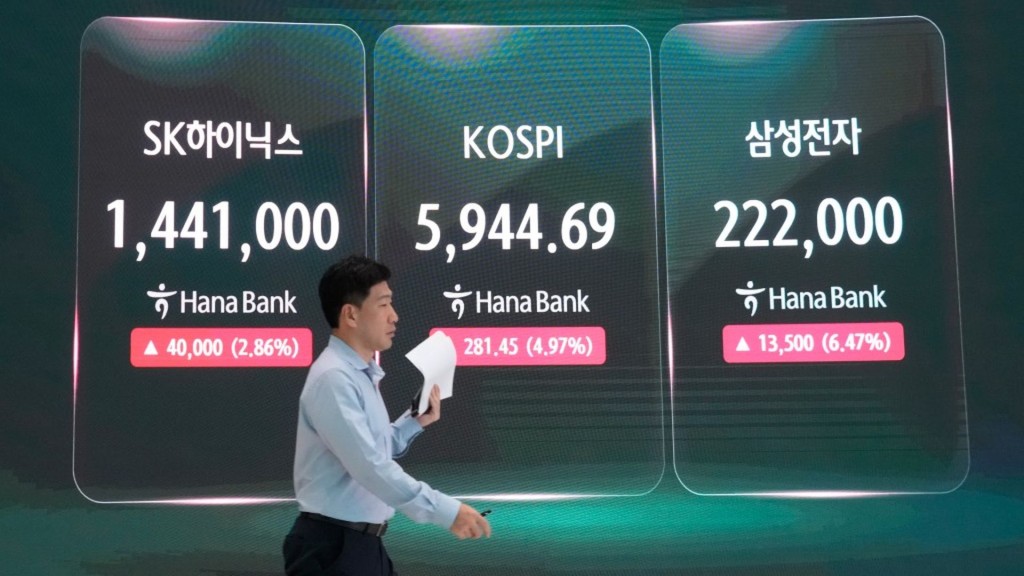
Furthermore, recent developments have reinforced this advantage. As civil unrest in France has reportedly spread to other countries, including Italy, bond prices across several European markets have come under sustained pressure. Meanwhile, sharp declines in a number of Asian equity markets have prompted continued capital flows into the US dollar. These developments may further strengthen the Power Premium underpinning US Treasuries, helping to explain why the yield on the 10-year US Treasury has recently fallen back below the 5 percent level.
Andrew Wong is a veteran independent commentator