Read More


Trump's call for Zelensky's departure makes good sense | Grenville Cross
17-10-2026 19:13 HKT






Will AI make me dumber? | Human Reinvented | Frank Ng & Ryan Ng
13-10-2026 05:00 HKT







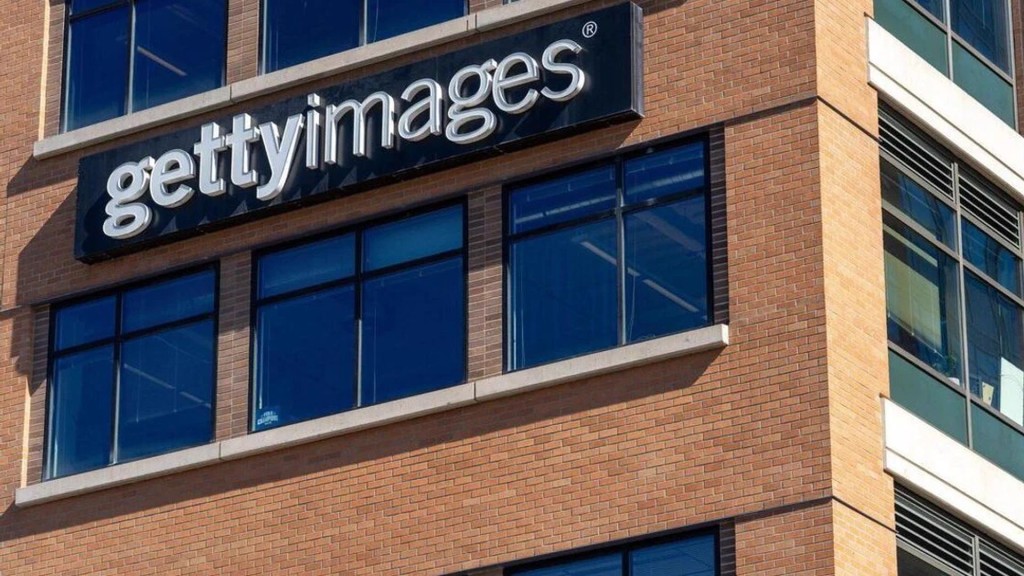
For decades, Getty Images dominated global visual media as the premier licensing platform for commercial photography and editorial imagery. Today, the stock photo titan stands as a stark cautionary tale of artificial intelligence disruption, having lost over 99 percent of its peak market valuation and fallen into penny-stock territory. Facing heavy debt and growing competition from AI-generated imagery, the company now plans to begin an expedited prepackaged Chapter 11 process, a major reset following the collapse of its planned merger with rival Shutterstock.
The rapid advancement of generative AI platforms – such as Midjourney, DALL-E, and Stable Diffusion – has fundamentally rewritten the rules of content creation. By enabling marketing teams and creators to generate bespoke, high-resolution visuals from simple text prompts in seconds, AI tools have drastically undercut the need for traditional, costly pay-per-image licensing. As enterprise clients increasingly prioritize speed and cost efficiency, reliance on conventional image repositories has plummeted, severely eroding revenue streams across the visual media supply chain.
Compounded by a crushing debt burden exceeding US$1.4 billion (HK$10.92 billion), the legacy giant now faces an unprecedented existential crisis. Getty Images has attempted to defend its territory on multiple fronts, launching high-profile copyright lawsuits against AI developers for unauthorized data scraping while introducing its own commercially indemnified AI generator trained exclusively on licensed content. However, these defensive measures have failed to stem user migration toward cheaper, faster, and more adaptable AI platforms.
The company’s dramatic downfall underscores a broader structural transformation reshaping creative and intellectual property industries worldwide. As powerful algorithms erode long-standing content moats, legacy providers can no longer rely on traditional licensing models. Industry analysts warn that survival in the generative AI era will require visual media firms to pivot rapidly toward providing high-quality model-training datasets, legal compliance frameworks, and deeper integration with automated creative workflows.
Francis Fong is a Hong Kong IT and Telecom expert who frequently represents the industry in public discussions about innovation, digital transformation, and technology policies