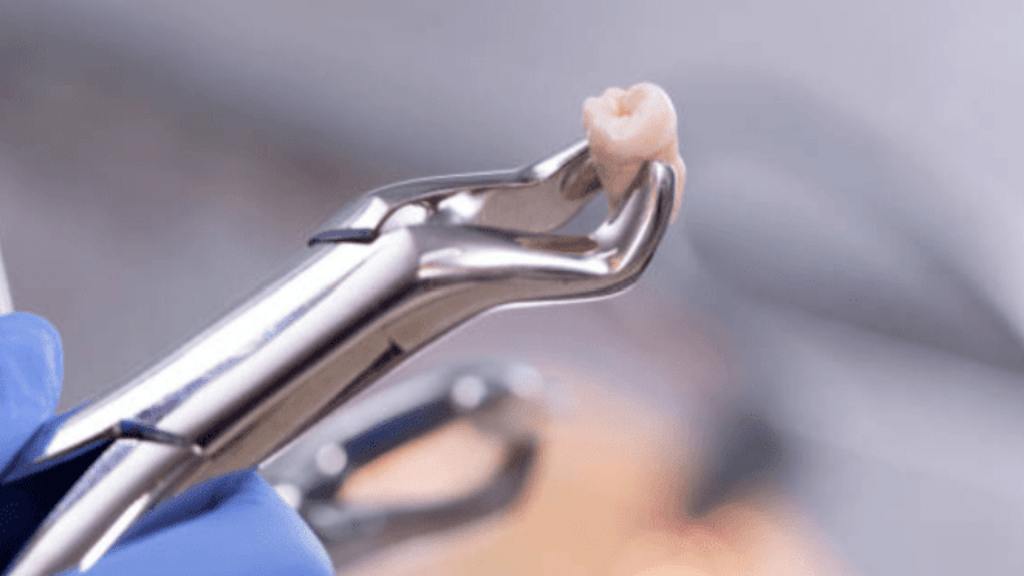
Wisdom teeth do not need to be removed simply because they are impacted. The decision depends on whether they are causing disease or damage, how likely they are to cause problems, and the risks of treatment. A dentist can assess these factors through an examination and, when appropriate, an X-ray. Healthy wisdom teeth that are retained should be monitored rather than forgotten.
Wisdom teeth, or third molars, sit at the back of the mouth. They may emerge fully, only partly break through the gum, or remain beneath the gum or jawbone. A partially erupted tooth can be difficult to clean: food and bacteria may collect beneath a flap of gum, causing painful inflammation known as pericoronitis. Wisdom teeth may also develop decay, gum disease or cysts, or damage the molar beside them.
When removal may help
Persistent pain, infection, decay that cannot reasonably be repaired, cysts, or damage to a neighboring tooth are reasons to discuss removal. An impacted tooth with no disease, however, does not automatically require surgery. Keeping it may be reasonable if a dentist can examine and monitor it regularly.
Seek prompt dental assessment if swelling, fever, or increasing pain develops around a wisdom tooth, particularly if opening your mouth or swallowing becomes difficult.
For some lower wisdom teeth, the roots lie close to the nerve that supplies feeling to part of the lower face. If removal is needed and imaging shows a substantial risk of nerve injury, an oral surgeon may consider a coronectomy: removing the crown while leaving the roots in place. It is an option for selected patients, not a routine alternative to extraction.
Dr Eric Chan Ho-yin, Dentist