I have often praised the public utilities in Hong Kong and suggested that they are probably the best in the world. Nonetheless, we still hear of water supply interruption due to pipe mains bursting, requiring emergency repairs.
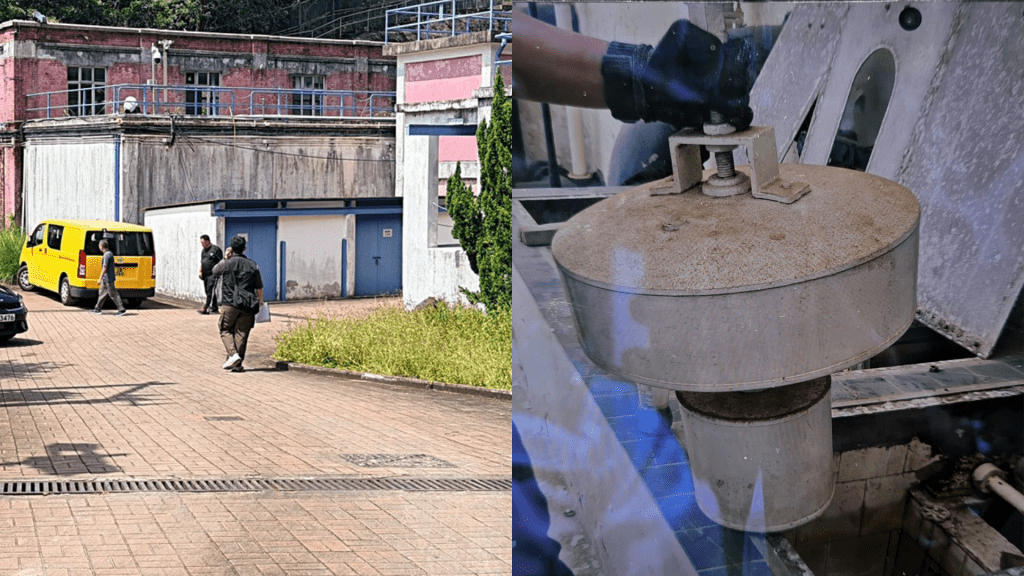
The Water Supplies Department must manage over 8,500 kilometers of piping, parts of which are more than 50 years old, made of various materials commonly used in the past such as cast iron and asbestos cement. While these are inert to corrosion and therefore served the right purpose when installed, such materials may become brittle and vulnerable to cracking with impact, and must be replaced by more robust materials such as ductile iron and polyethylene.
While we may be led to believe that there have been too many recent cases of water leakage incidents, statistics have shown that the leakage rate has significantly been reduced from 25 percent in the year 2000 to 12.8 percent in 2025. But as residents used to a very high level of reliability for public utility services, it is natural that we would expect it to be a lot better.
Chief Executive John Lee Ka-chiu’s 2026 policy address said the government plans to replace 350 km of old piping over the coming five years – twice the rate of current pipe replacement. It is expected to reduce the number of water pipe bursts and major leak incidents by around 20 to 30 percent by the end of the period, which spells remarkable progress.
To further improve and minimize prolonged water supply interruption during incidents, the WSD will replace old, high-risk pressure valves while installing additional gate valves to reduce and contain areas suffering from supply suspension in case of main bursts or serious leaks. The saltwater supply system will also be upgraded to reduce pipeline pressure to lessen the risk of failure.
The latest technologies developed by universities and research organizations are also coming into play. Intelligent monitoring and full-time surveillance can accurately inspect piping to achieve “intelligent network closed-loop monitoring.” Artificial intelligence can allow for dynamic control of water pressure, reducing unduly high pressure in the hours of lower demand to minimize stresses to aged water mains. The use of the Underground Utilities Information System, riding on 3D analysis, will further enhance maintenance effectiveness and reduce accidental damage to underground utilities during excavation.
The existing interdepartmental task force will be upgraded from departmental to bureau level for more effective coordination, and an International Expert Group on Waterworks will be drawn in with more informed knowledge for reviewing the long-term management strategy of our water supply network.
The general public should appreciate that allowing road sections to be dug up for pipe replacement ahead of actual breakage is actually a more efficient option in the long term, compared to sectional pipe replacement when they actually break, abiding by the "prevention is always better than cure" philosophy.
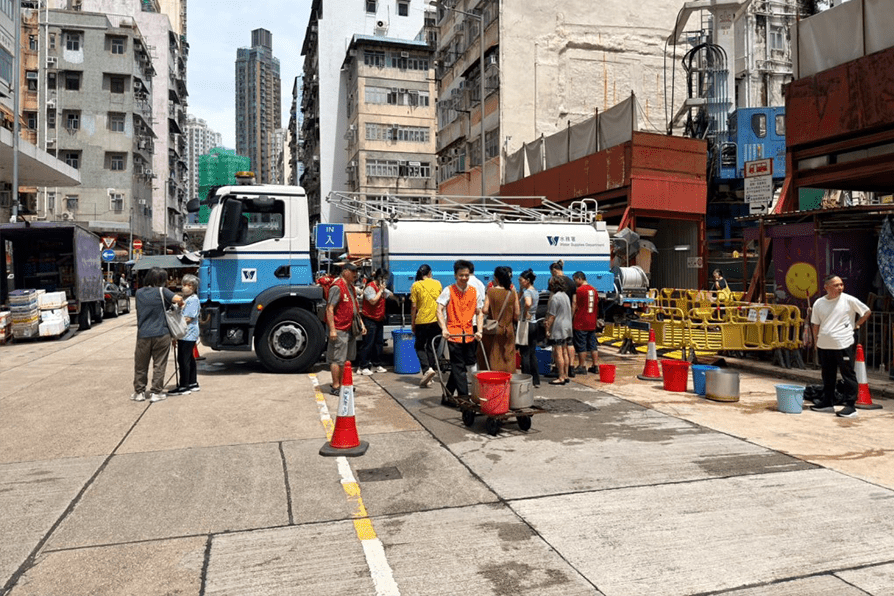
The availability of temporary water tanks where water interruptions occur, together with close attention by the WSD and the Care Teams under the Home Affairs Department, will significantly reduce the pains of sudden supply loss for families – especially those who have young children, aged parents, and members who are physically handicapped, with emergency relief measures directed toward these particular households.
As the present chairman of the Advisory Committee of Water Supplies, I have a consultative role in this matter, but I am pleased to see due attention being paid to reduce the impact of water supply interruption. Hopefully, we will soon see marked improvements in these aspects to bring water supply reliability to the high level that citizens rightly expect.
Veteran engineer Edmund Leung Kwong-ho casts an expert eye over features of modern life