Two years ago, the Chianti Classico Consorzio celebrated its 100th anniversary. As the oldest consortium of wine producers in Italy, its purpose was to defend the typical wine of Chianti and its historic zone of origin. One of its very first implementations was to add the suffix "classico" to its name to distinguish the original Chianti from other wines produced outside the territory defined back in 1716, following the Black Rooster's victory.
As strange as it may sound, "Chianti" and "Chianti Classico" are essentially not the same wine. Creating a clear differentiation is no easy task, and therefore over the course of its century, the consorzio has continued to reshape the identity of Italy's most famous red wine. Knowing that the several changes made to the Iron Baron's "Chianti recipe" have led to even more confusions, in the last twelve years the consorzio has taken two important steps to enhance the quality and image of its wines – the introduction of Gran Selezione in 2014, and the approval of the UGA – or Unità Geografiche Aggiuntive – system in 2021.
The new, higher level Gran Selezione is one step above a Riserva. The latter requires a minimum of 80 percent of Sangiovese grapes in the blend, with the remaining 20 percent permitting international grape varieties such as Cabernet Sauvignon. On the other hand, Gran Selezione pushes the minimum level of Sangiovese in the blend to 90 percent, while only several native grape varieties such as Ciliegiolo, Foglia Tonda and Pugnitello are allowed. Other production regulations, such as a longer maturation period and estate bottling, are also stricter. This significant step forward clearly shows the determination of the consorzio to raise the bar of their most prestigious wines.
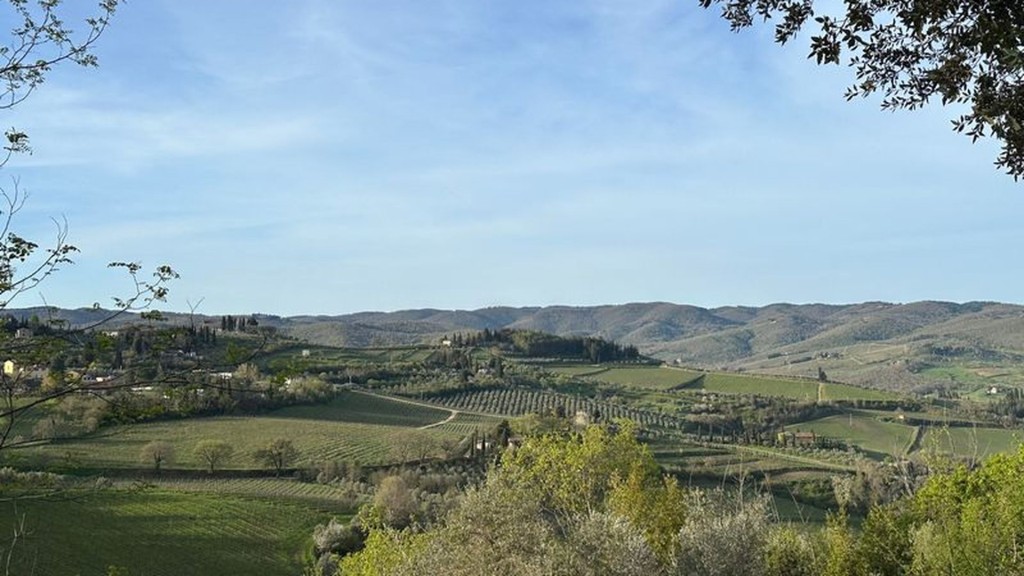
Modeling after the zoning systems of other celebrated Italian wine denominations such as the MGA – or Menzione Geografica Aggiuntiva – of Barolo and Barbaresco, the Chianti Classico UGA mapped out eleven subzones of its 70,000 hectares of land: Castellina, Castelnuovo Berardenga, Gaiole, Greve, Lamole, Montefioralle, Panzano, Radda, San Casciano, San Donato in Poggio, and Vagliagli. These subdivisions each boasts a distinctive character, and by combining this concept of territoriality with the Gran Selezione system, the matching of Tuscany's most symbolic grape with its picturesque rolling hills would finally come full circle.
Alice Wong is a certified wine educator based in Hong Kong