In my young days as an engineer, a “data center” was simply a secure, air-conditioned computer room tucked away in a commercial building, with no dedicated building services provisions. It was important, but hardly something that the average citizen would associate with city planning, energy policy, or economic competitiveness.
But the technology has changed completely. Today, data centers have become the physical backbone of cloud computing, digital services, artificial intelligence, financial transactions, and scientific research. The “cloud” of data may seem weightless, but it heavily depends on land availability, cables routes, cooling systems, proximity to power substations, and above all, a safe and reliable power system.
As Hong Kong gets prepared to expand into the Northern Metropolis and strengthens its role as an international innovation and technology hub, demand for electricity from data centers and AI-related infrastructure will grow exponentially. However, not all data centers are the same.
Large-scale AI training centers require enormous amount of computing power and electricity. They are often located in areas where land costs are lower, and energy costs are competitive. High value-added facilities focusing on AI inference, AI agents, and market-facing digital services need to be close to their clients and end-users. For these operations, a reliable power supply, low latency, international connectivity, legal certainty, data protection, and intellectual property safeguards would be even more important than operating cost.
Moreover, high value-added data centers generate economic benefits far beyond their direct costs. The tokens, digital services, and business opportunities created by AI applications can produce values multiple times higher than the operating expenditures.
This is where Hong Kong has distinct advantages. Our international connectivity, legal system, data protection regime, and reliable electricity infrastructure together provide a strong foundation for higher-value AI and digital businesses, where stability and confidence are critical.
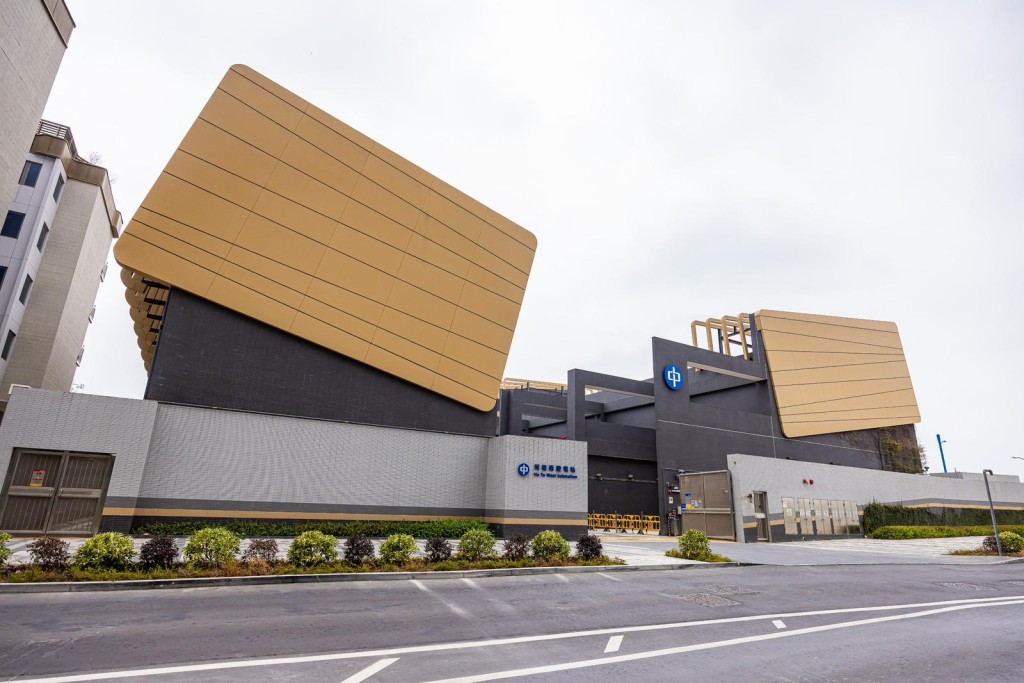
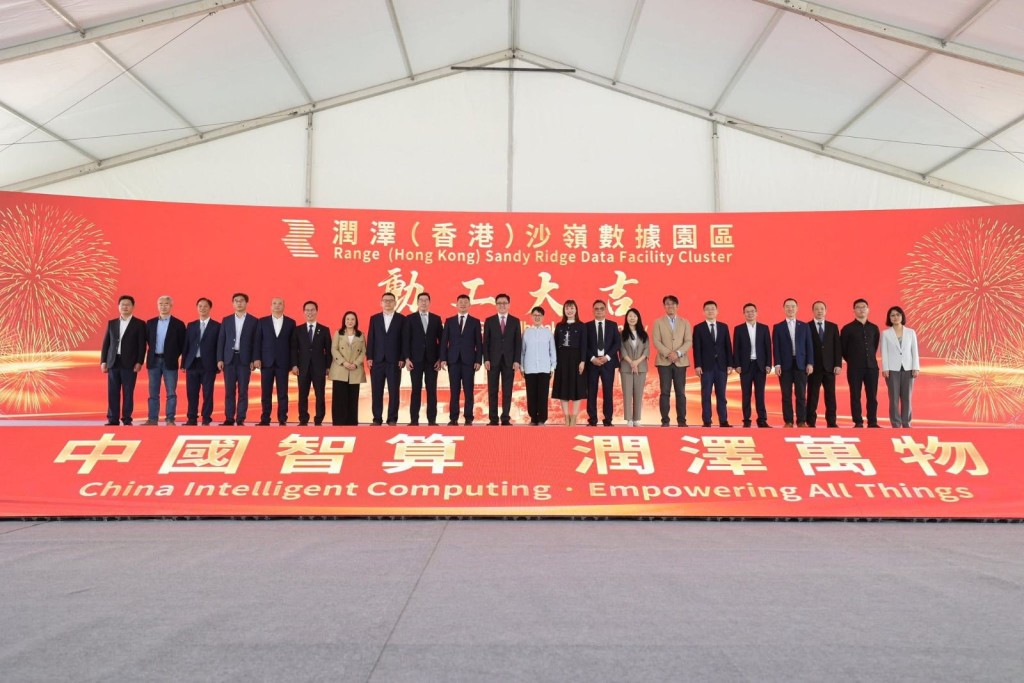
The Northern Metropolis will be an important test ground to prove whether Hong Kong can translate these advantages into economic competitiveness. The Sandy Ridge Data Facility Cluster is a typical example of successful application. Alongside buildings and servers, a carefully planned electricity supply, cooling systems, data connections, and close coordination among developers, operators, utilities, and government departments are vital ingredients for success.
Power infrastructure must be preplanned; they cannot be added at the last minute. High-load facilities such as supercomputing and data centers require early planning to be equipped with substations, cable routes, backup arrangements, and phased capacity expansion; otherwise, bottlenecks will inevitably emerge.
Fortunately, the Northern Metropolis will not be starting from scratch. CLP has served the northern New Territories for decades, building a robust backbone transmission network that delivers world-class supply reliability of 99.999 percent. The network is being expanded progressively as development advances. Using the Sandy Ridge Data Facility Cluster as a reference, the company is confident that it can support electricity demand equivalent to around three to four supercomputing centers over the next decade.
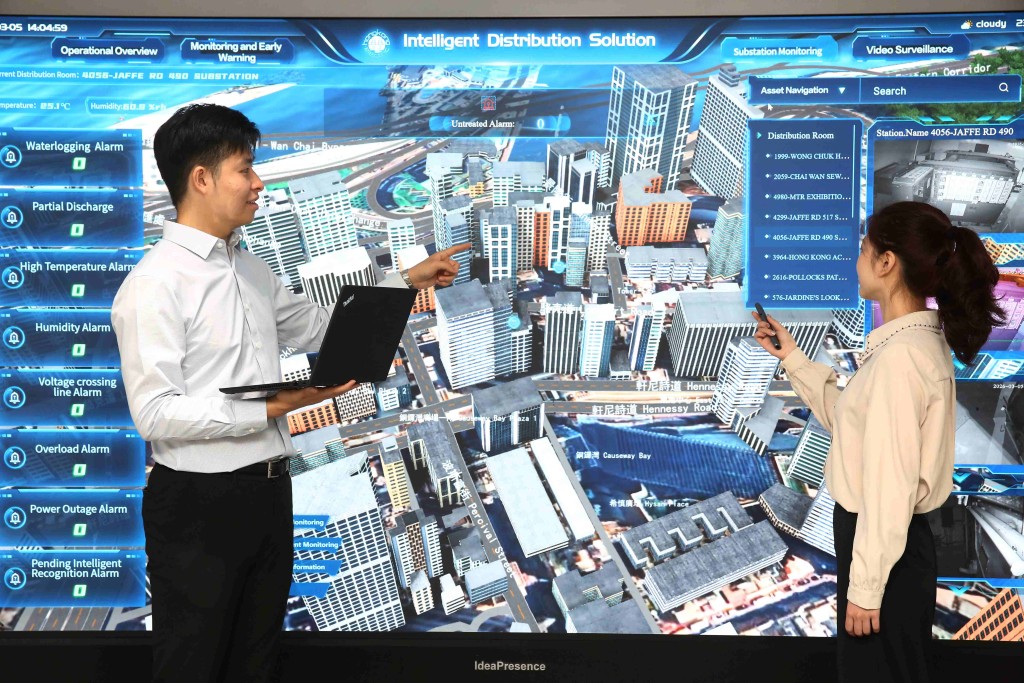
Data centers consume power for servers, cooling, ventilation, and backup systems. Advances in energy-management systems, cooling technologies, and airflow optimization are creating opportunities to improve efficiency while maintaining high reliability.
Decarbonization is the other essential part of the story. Hong Kong’s data-driven future should also be a lower-carbon future. In 2025, the carbon intensity of CLP Power’s electricity supply was 0.34 kilograms of carbon dioxide equivalent per kilowatt-hour – and is expected to decline further.
All these are directly linked to Hong Kong’s competitiveness. A reliable, transparent, traceable, and progressively lower-carbon electricity supply will help attract the right type of data and AI investment.
If Hong Kong can align its computing ambitions with power infrastructure, energy efficiency, and decarbonization, the Northern Metropolis will become a platform for high-value innovation, supported by a power system that is safe, reliable, low-carbon, and reasonably priced.
Veteran engineer Edmund Leung Kwong-ho casts an expert eye over features of modern life