I have often praised the high reliability of our power supply system and explained the need for 99.9999 percent availability due to the large number of residents living in tall apartment blocks requiring lift services, and the need to ensure our commercial activities are not interrupted. But this can only be achieved by diligent service of the technical team in our power utilities coupled with the use of modern technology.
The weaker link in the power supply is currently not with the generation end but often with transmission and distribution systems, as they interface with a lot of external factors such as inclement weather and third party damage due to road digging and other factors.
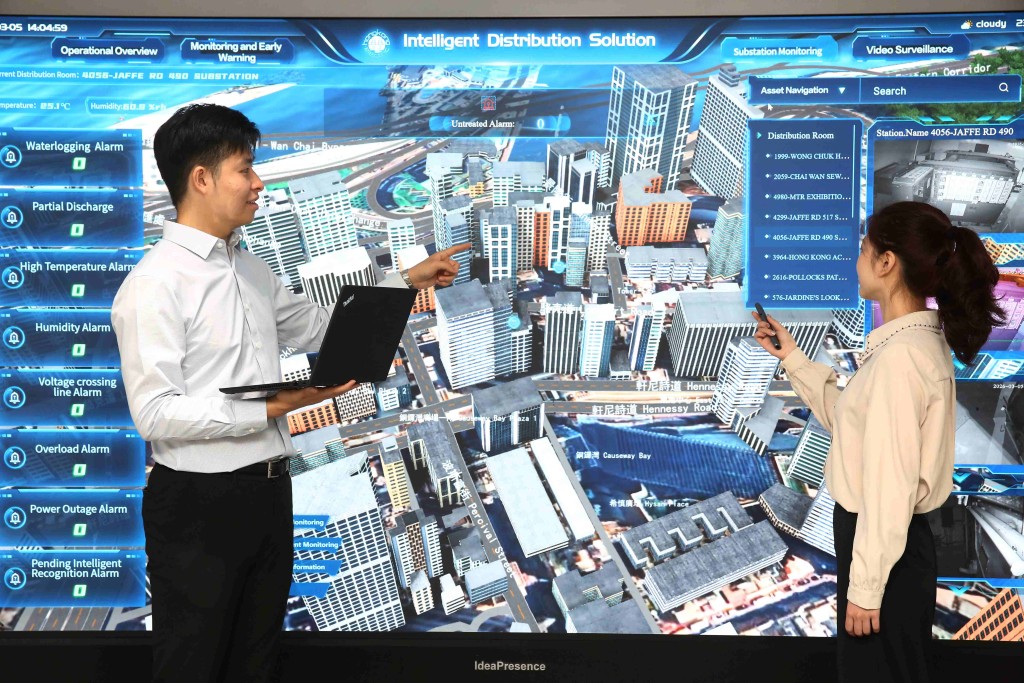
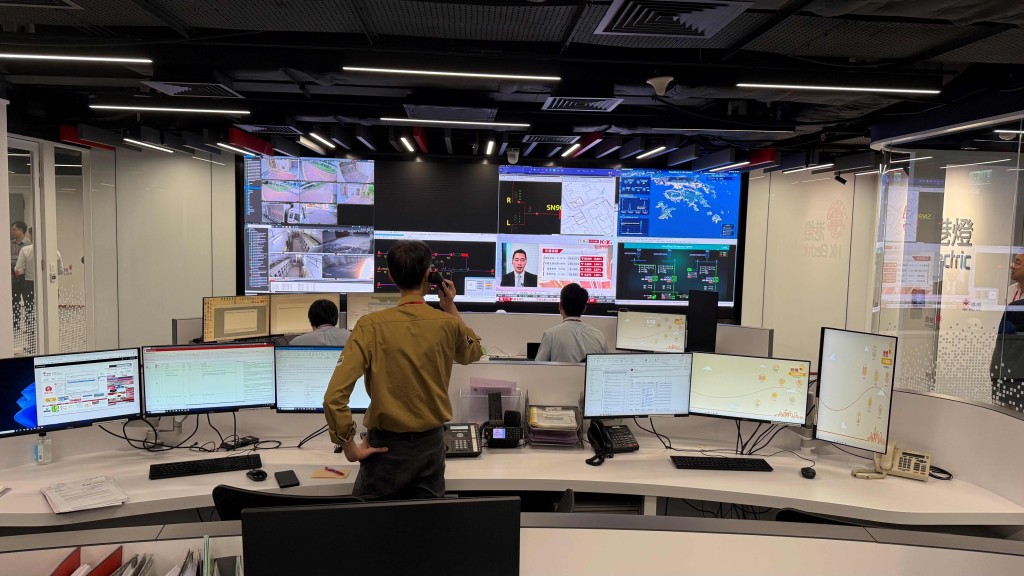
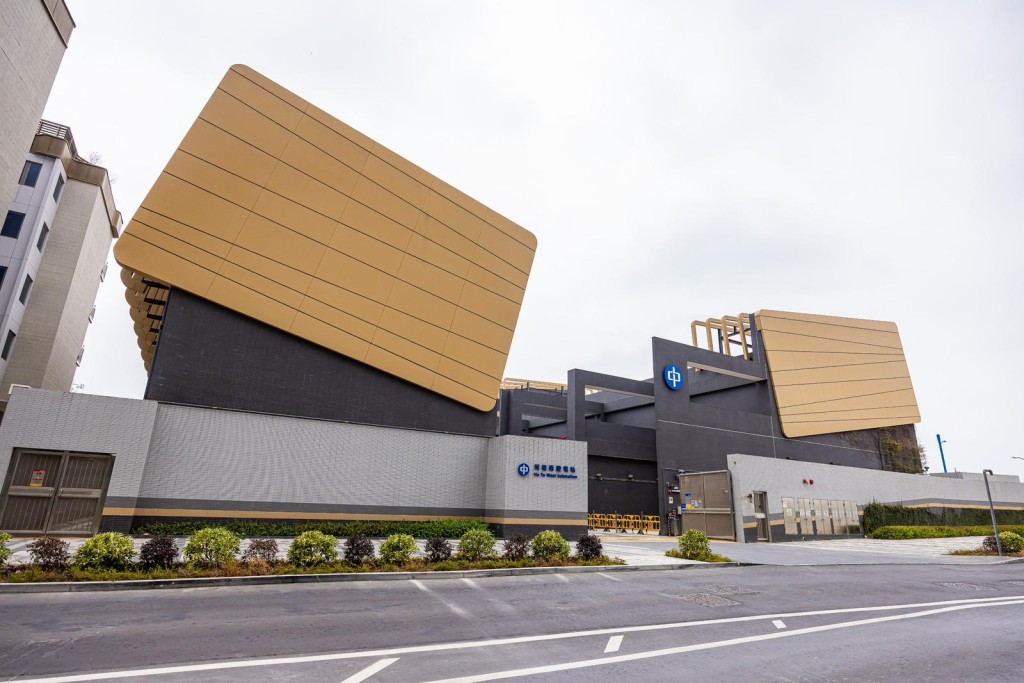
On Hong Kong Island, HK Electric has recently enhanced their distribution system with modern technology. Its Intelligent Operations and Emergency Response Centre has been equipped as the central command hub for coordinating emergency incidents and to support operational decision-making procedures.
It integrates information collected from more than 10 internal monitoring platforms to provide a round-the-clock, real-time view of the power system, providing risk alerts and frontline incident updates. During severe weather events and emergency situations, it serves to significantly reduce the time required for information gathering and analysis, facilitating more effective resource deployment, faster decision-making, and enhanced response efficiency to expedite power restoration, minimizing service disruptions.
Through the center’s large screen display platform, duty engineers can monitor system alerts and abnormal conditions in real time to enable immediate operational decisions based on risk levels and impact assessments for a much more effective diagnosis and deployment of resources to rectify faults.
A low-voltage distribution network is often much more challenging to monitor than high-voltage transmission systems. This is because of the need to cater for particular site conditions which often differ with each area of supply. Previously, fault detection had been passive and mainly dependent on customer reports or site inspection by frontline engineers. These only rectify faults that have already occurred, but they cannot anticipate incidents and are thus not totally desirable. HK Electric has been developing what is believed to be the world’s first low-voltage control center, addressing the blind spot hitherto not available for inspection. Using IoT sensing technology, it continuously monitors the operating status of the LV network down to individual cables. In the event of a cable fault, the center can pinpoint a fault location quickly, eliminating the need for lengthy field investigation for much faster response.
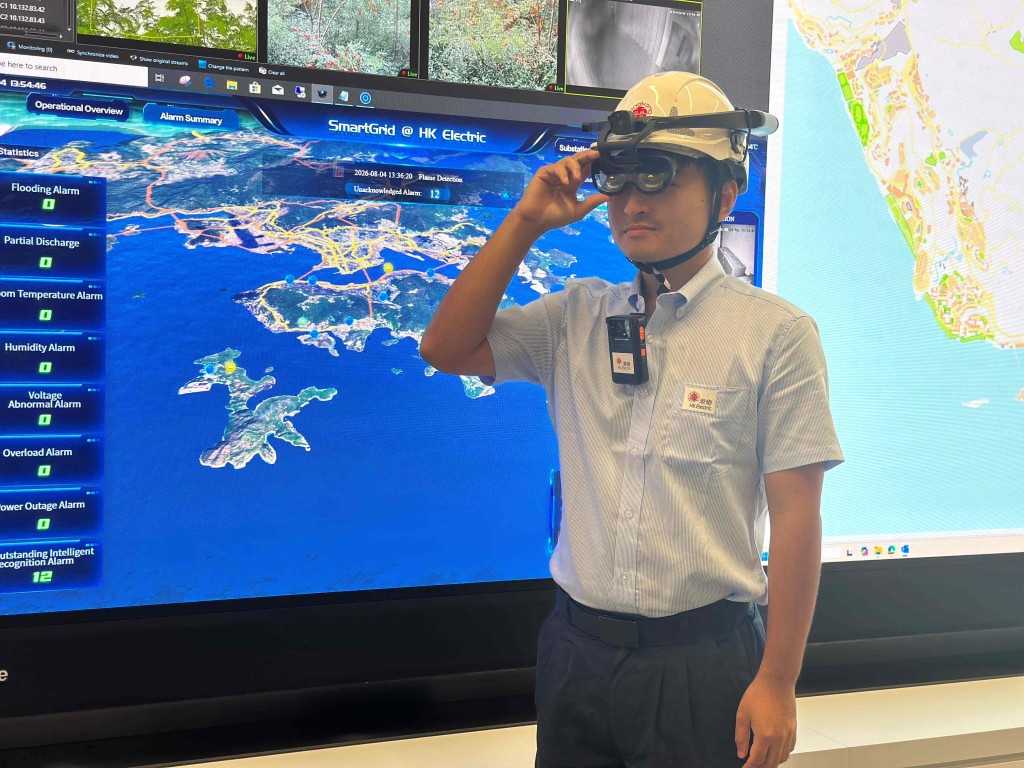
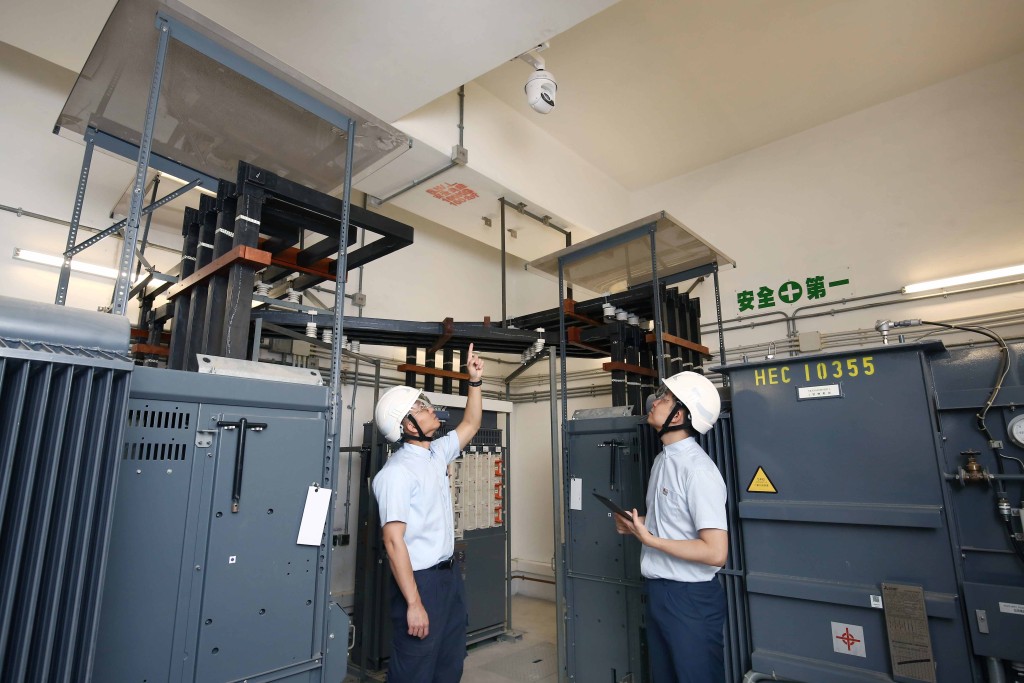
Separately, the SmartGrid@HK Electric system provides a tailor-made solution to meet the unique operational requirements of its network, serving as the “smart-eye” and “thermometer” of substations for proactive asset monitoring, supported by artificial intelligence-driven analytics and recommendations.
High-definition cameras and infrared thermal imaging devices supported by IoT sensing technologies provide all time monitoring of sub-station operations, enabling the early identification of abnormalities to enhance asset condition monitoring and indicate timely maintenance interventions for enhanced power supply reliability.
In addition, its Live Exploration, Navigation and Surveillance system enables frontline engineers to transmit live video, audio, and GPS location data directly to the center through smart helmets and other portable devices. It connects frontline personnel with experienced engineers in real time, enhancing expert remote incident assessments and operational support for faster and more accurate decision-making. This is particularly valuable during large-scale inspections and emergency repair operations during typhoons and heavy rainstorms, significantly enhancing overall response efficiency.
Finally, SmartLink@HK Electric, its self-developed Long Range Wide Area Network platform, connects some 1,500 sensors and smart devices all across its system. By aggregating data from different systems in real time, it serves as a key enabler that transforms reactive maintenance to proactive grid management.
Technological advancement enables our power systems to receive effective information for swift maintenance activities. Hong Kong residents demand a very high level of power security, and their needs are now much better met. We must thank them for their patience and the power utility for its efforts.
Veteran engineer Edmund Leung Kwong-ho casts an expert eye over features of modern life