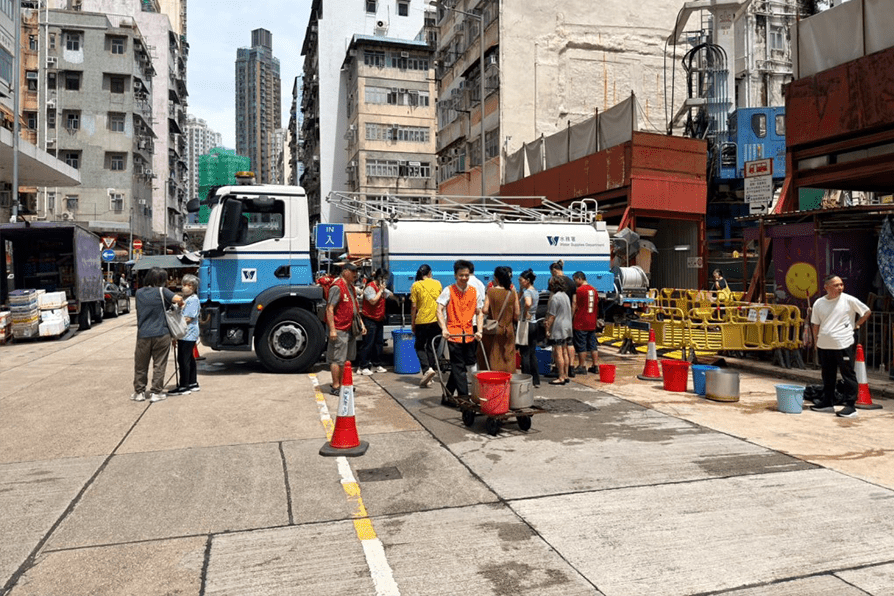
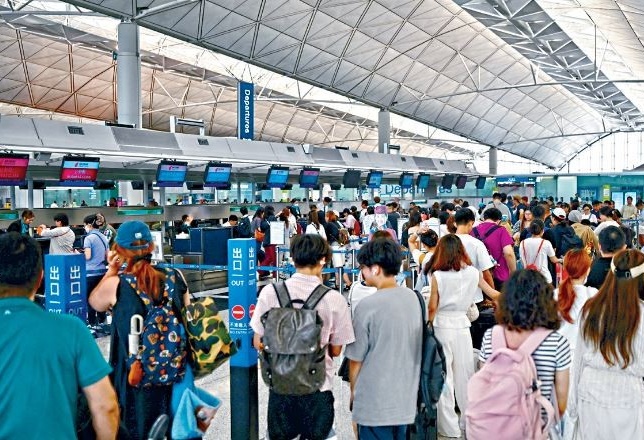
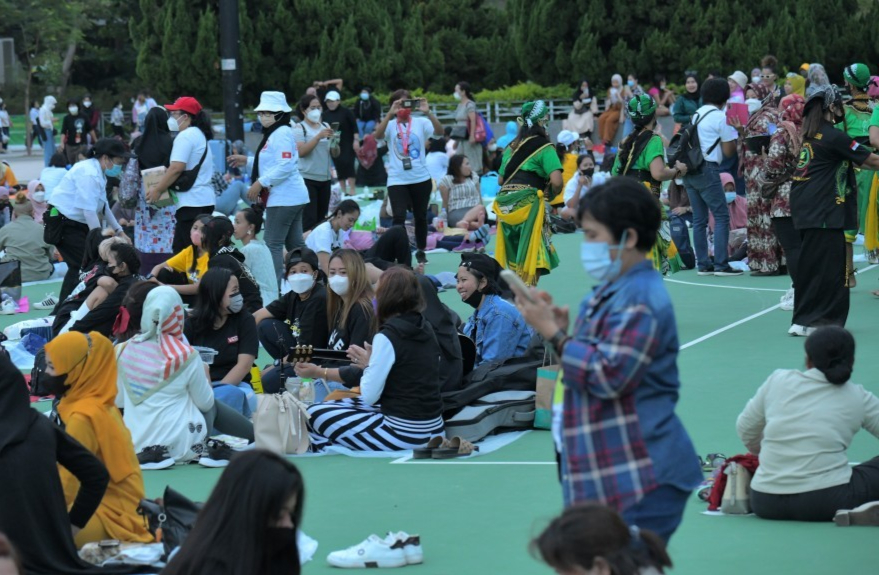
Hong Kong recently recorded record-breaking high temperatures, reaching 36.9°C and with Sheung Shui hitting 39.8°C. Yet the Labour Department's Heat Stress at Work Warning remained at the lowest level – yellow – sparking widespread public outcry and questions.
Since the mechanism was introduced in 2023, the Yellow warning has been issued more than 200 times, while the Red and Black warnings have never been activated. The Labour Department explained that the warning is calculated according to a specific formula, and the threshold for upgrading to Red had not been met.
This raises a critical question: while the entire city felt the scorching heat and outdoor workers toiled under the blazing sun, the data indicated that conditions "had not reached the standard." When public perception and official data diverge so sharply, should we rigidly follow the numbers alone? Can the mechanism become more flexible and more humane?
Some have suggested simplifying the system so that warnings are triggered once temperatures reach a certain degree. The Labour Department has also acknowledged that they will study the possibility of lowering the activation thresholds during extreme heat. These directions deserve serious consideration. More importantly, the incident highlights a core principle of policymaking: policy cannot remain static. They must adapt to changing circumstances and undergo regular reviews.
Times are changing, and extreme weather has become the new normal. We cannot always be wise only after the event, scrambling to fix problems only after they erupt. The government must maintain a sense of crisis awareness, proactively assess risks, and examine whether existing policies can meet future challenges.
The controversy over the heat stress warning is a clear example. As global warming intensifies, extreme high temperatures will only become more frequent. If the system fails to keep pace with reality, the ones who suffer most will be frontline outdoor workers.
It is hoped that the Labour Department will complete its review promptly and make the mechanism truly practical and grounded, rather than remaining trapped in cold numerical calculations.
The Honorable Jeffrey Lam Kin-fung is a non-official member of the Executive Council and chairman of the Vocational Training Council