China's major stock exchanges will lower the minimum margin requirement for margin buying to 80 percent, with around 400 billion yuan (HK$470 billion) of fresh liquidity set to be unlocked, according to industry estimates.
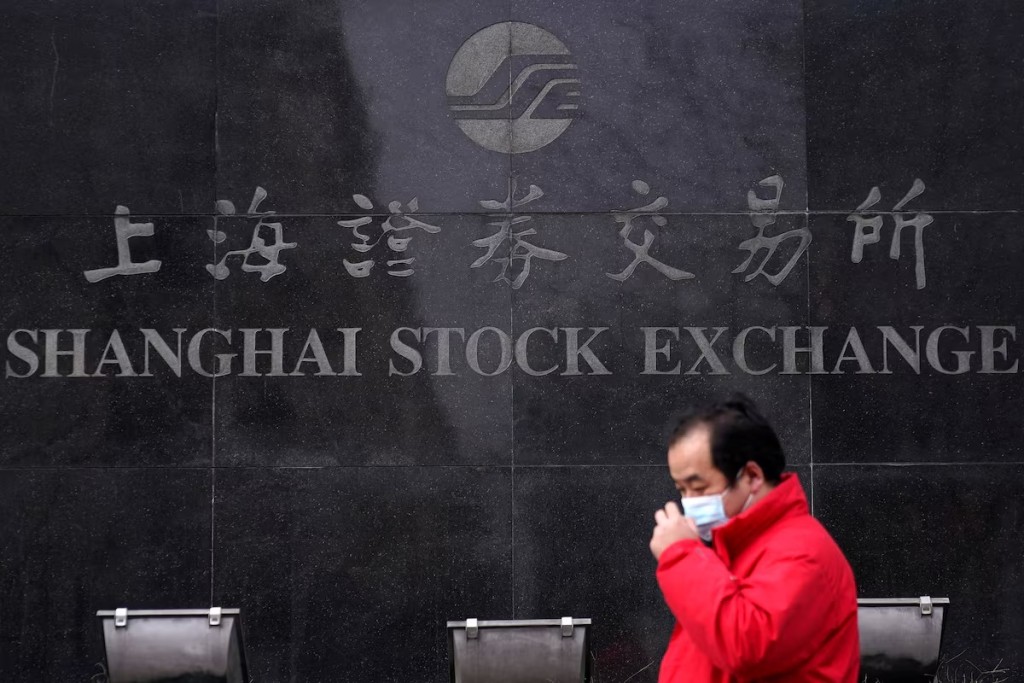
The Shanghai, Shenzhen and Beijing stock exchanges said on Sunday, with approval from the China Securities Regulatory Commission, the minimum margin ratio for margin buying will be reduced to 80 percent from 100 percent, which would reduce costs for new margin positions and unlock capital tied up in existing margin contracts to support market activity.
The change will take effect on November 30 2026, according to the statements of the exchanges.
The exchanges increased the ratio to 100 percent from 80 percent in January this year in a move aimed at cooling leverage as trading activity picked up.
Meanwhile, the regulator has also tightened oversight of abnormal trading. The notice requires brokerages to impose differentiated controls on investors engaging in abnormal trading behavior to curb excessive speculation.
In addition, the Shenzhen Stock Exchange will cut fees including waivers for trading unit and online voting fees, partial relief on trading communication charges, lower data center fees and governing a market-making mechanism in ChiNext-board stocks. The package is expected to deliver benefits of 1.39 billion yuan to market participants, bringing the total fee relief for the Shenzhen market this year to over 2.2 billion yuan.
The Shanghai Stock Exchange's fresh measures cover waived trading unit fees and reduced or exempt data center service fees. They are set to deliver benefits of 1.37 billion yuan, pushing this year's total fee cuts for the Shanghai market above 2.4 billion yuan.
Frank Feng