
Read More
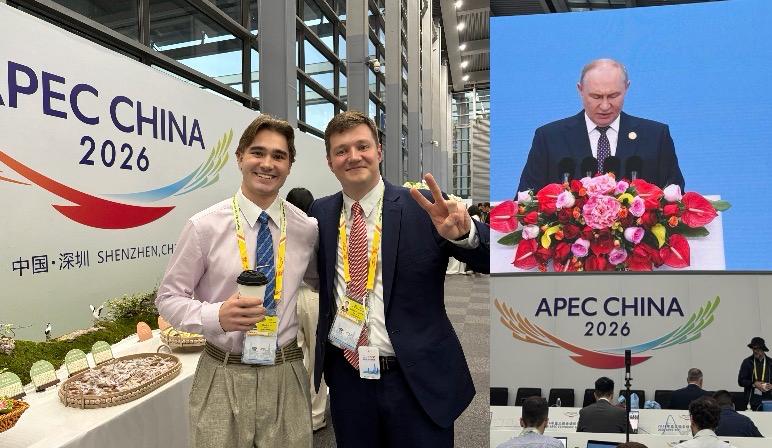
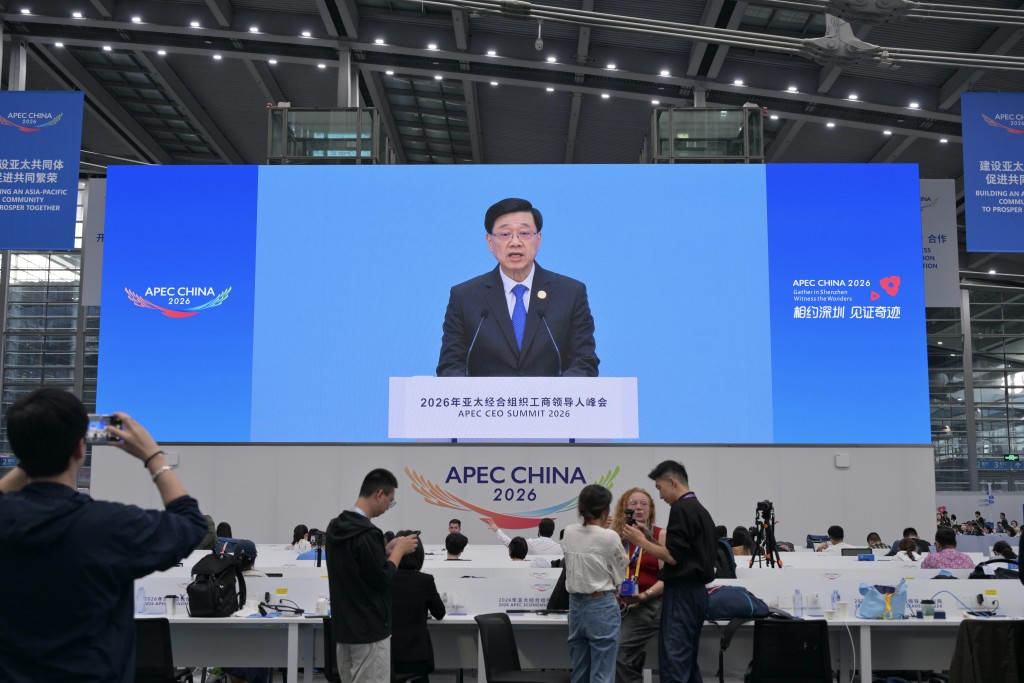
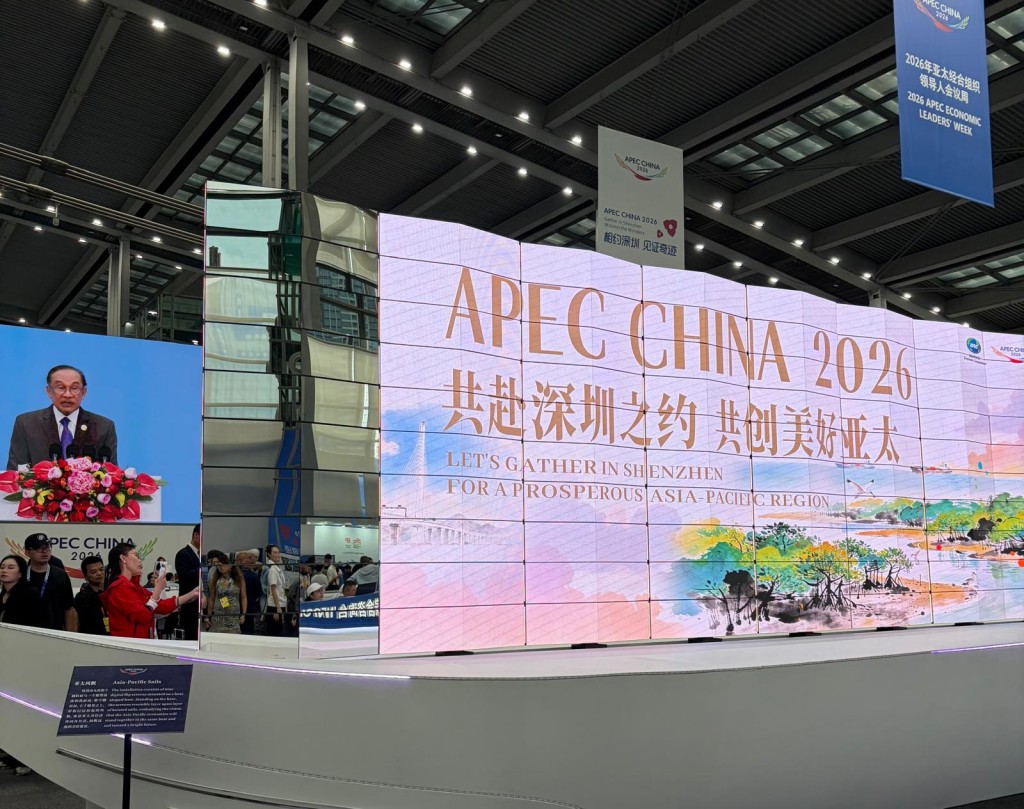
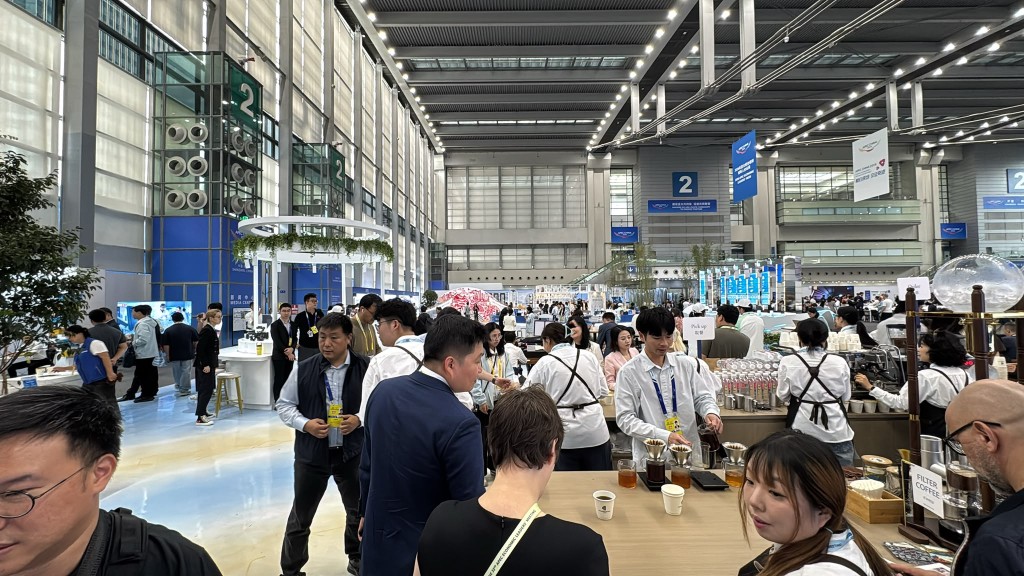
During the APEC CEO Summit 2026 and Economic Leaders' Meeting in Shenzhen from November 16 to 19, the media center at the Shenzhen Convention and Exhibition Center has turned into a display of Chinese cultural heritage, including high-end technology, traditional palace jewelry, and Chinese medicine.
ADVERTISEMENT
SCROLL TO CONTINUE WITH CONTENT
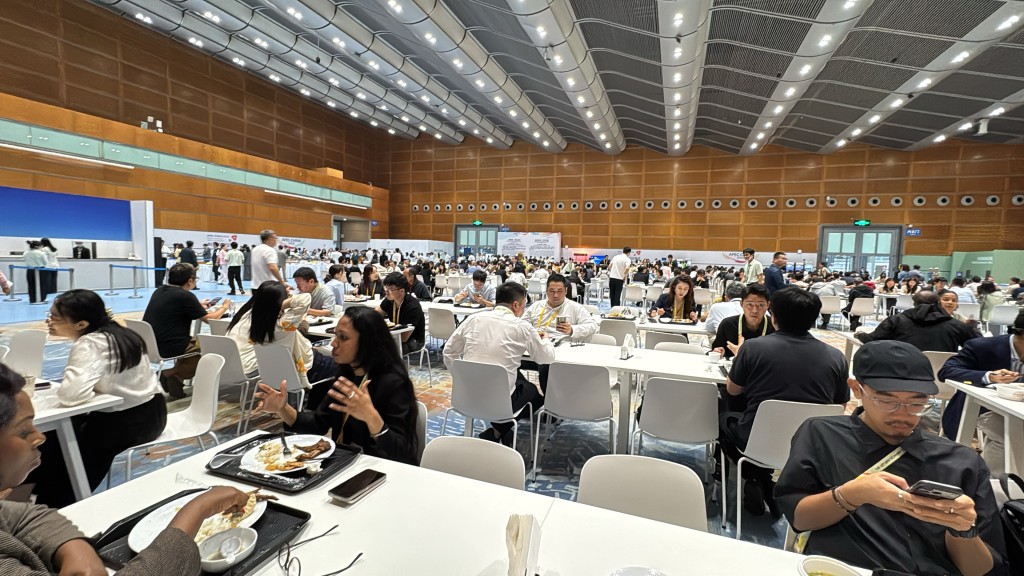
The media center opens from November 11 to 20 to serve nearly 5,000 journalists from mainland China and overseas covering the summit. It spans 150,000 square meters.
Robotic Coffee and Ice Cream
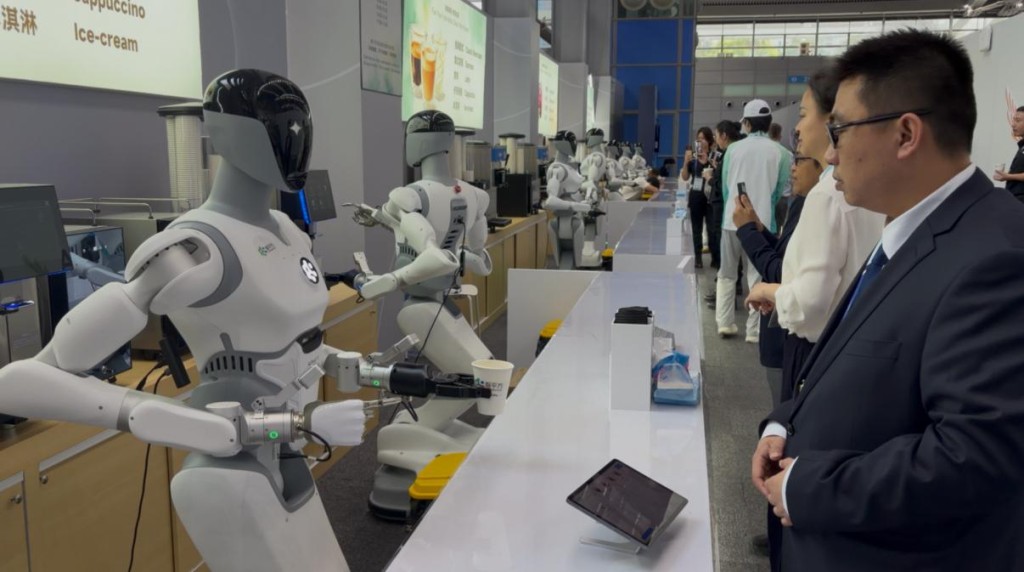
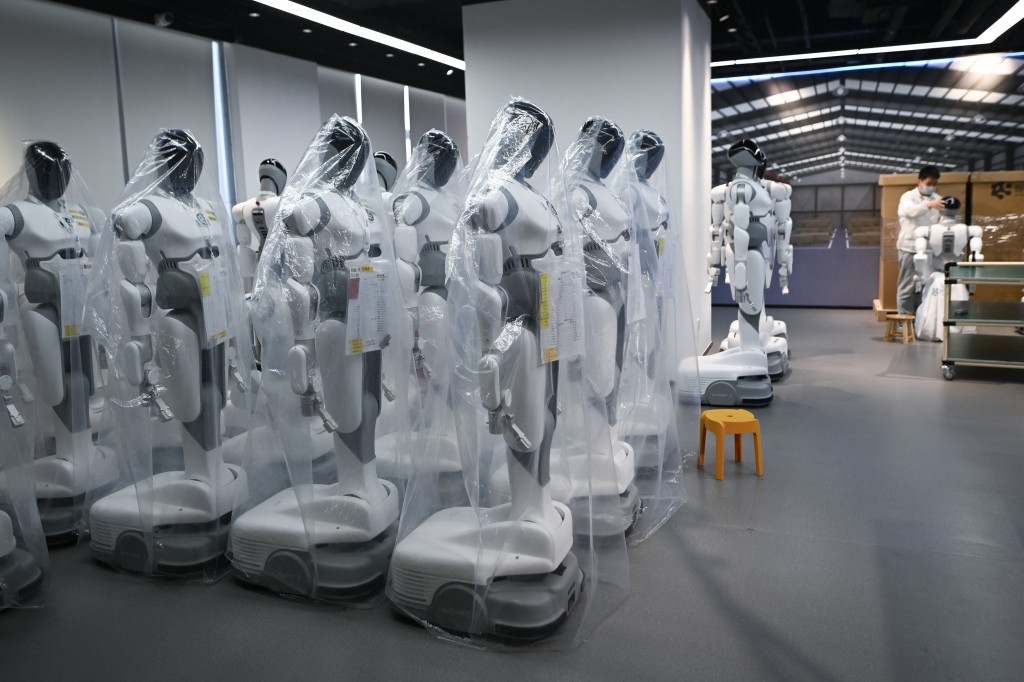
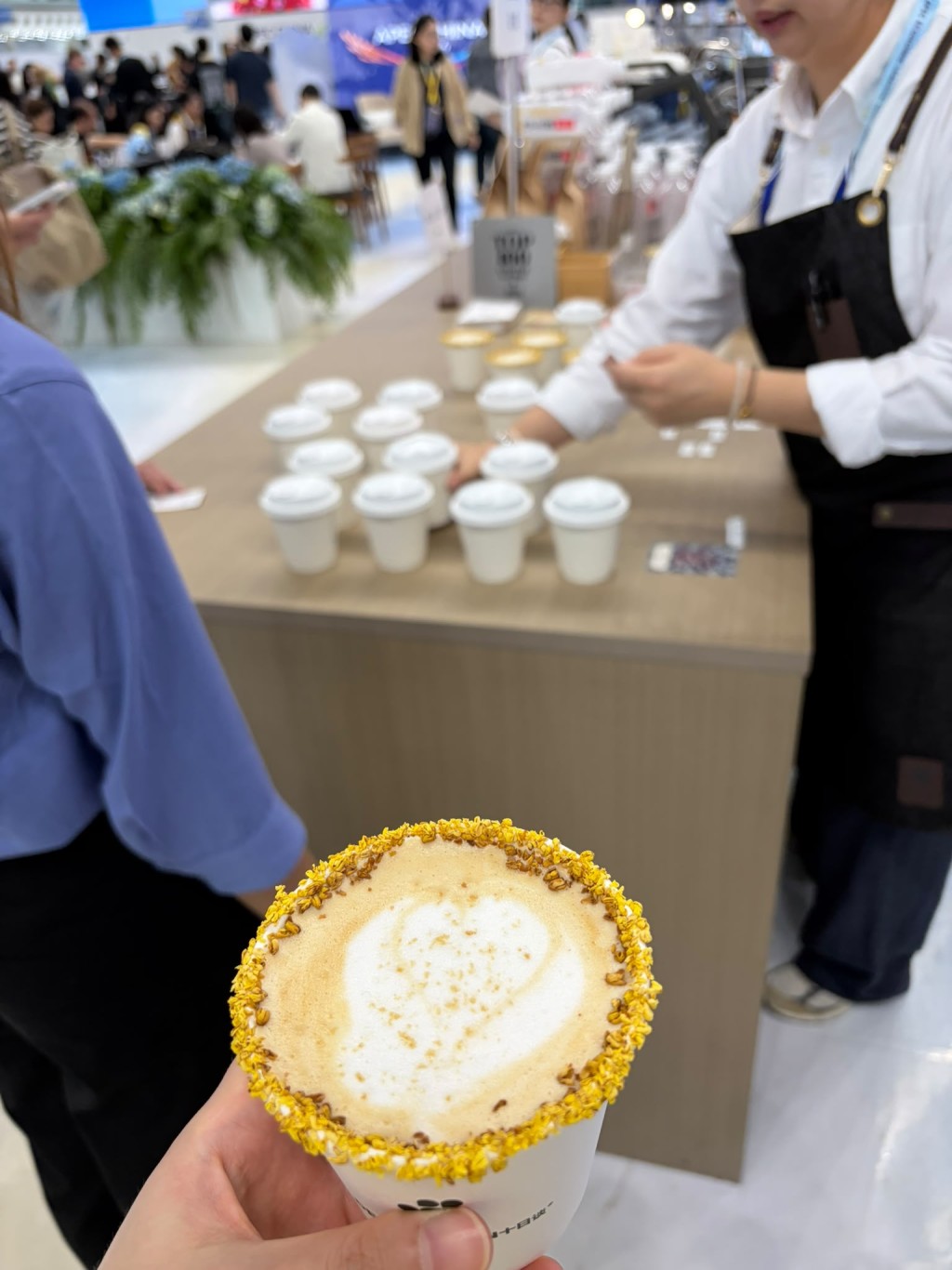
The most famous spot belongs to the seven “robot staff” that serves coffee, ice cream, and juice. From ordering through the iPad to receiving the product, it takes 60 to 70 seconds.
The station is by Chinese robot maker AI² Robotics. In an interview with The Standard’s sister publication Sing Tao Daily, a representative said the company aims to target Hong Kong as the major market, and it has already set foot in bars in Lan Kwai Fong.
All the food and drinks are free of charge at the center, offering a convenient workplace for journalists to cover the world event.
OpenHarmony Smart Studio
Jointly developed by Shenzhen Media and Shenzhen Kaihong Digital Industry Development, the world’s first smart studio runs entirely on the KaihongOS platform.
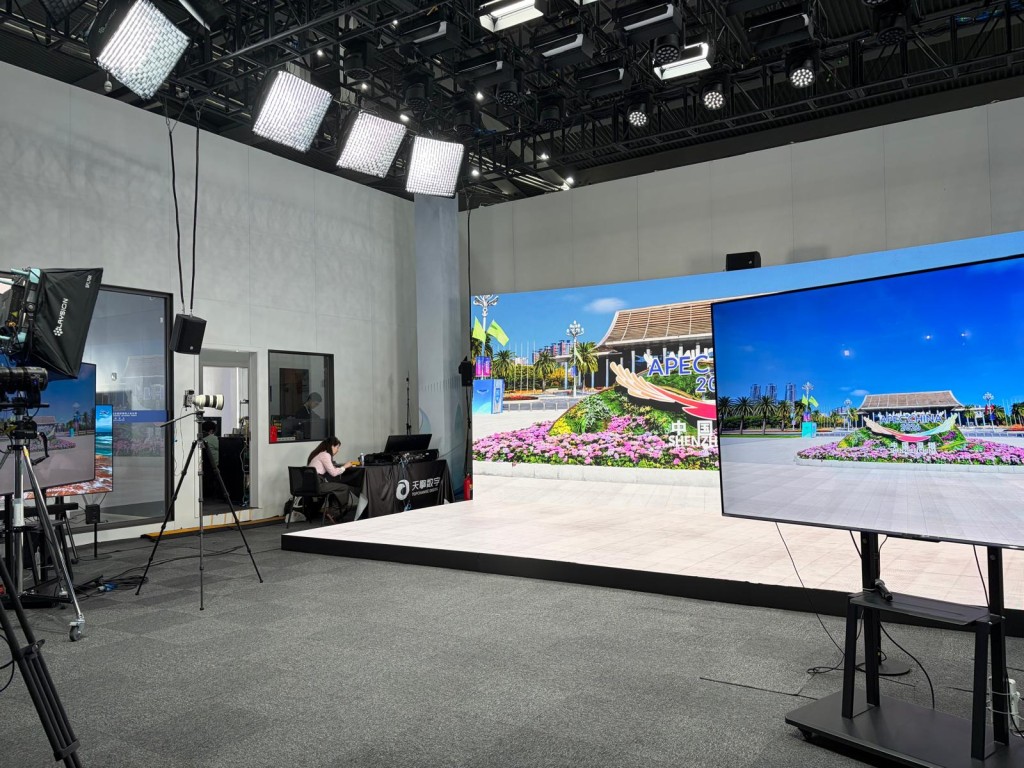
It integrates AI agents and IoT to connect, perceive, and coordinate cameras, lighting, imaging robots, and other professional equipment. AI-driven collaboration and innovative workflows can also reduce construction and operation costs while boosting production efficiency.
Combining intelligent content creation, automated production, and multi-terminal scheduling, it forms an integrated system covering content production, intelligent broadcast control, and full-scenario distribution.
Media Center XR Virtual Studio
Developed by Shenzhen Media Group, this innovative digital studio combines technology demonstrations, interactive experiences, and news production.
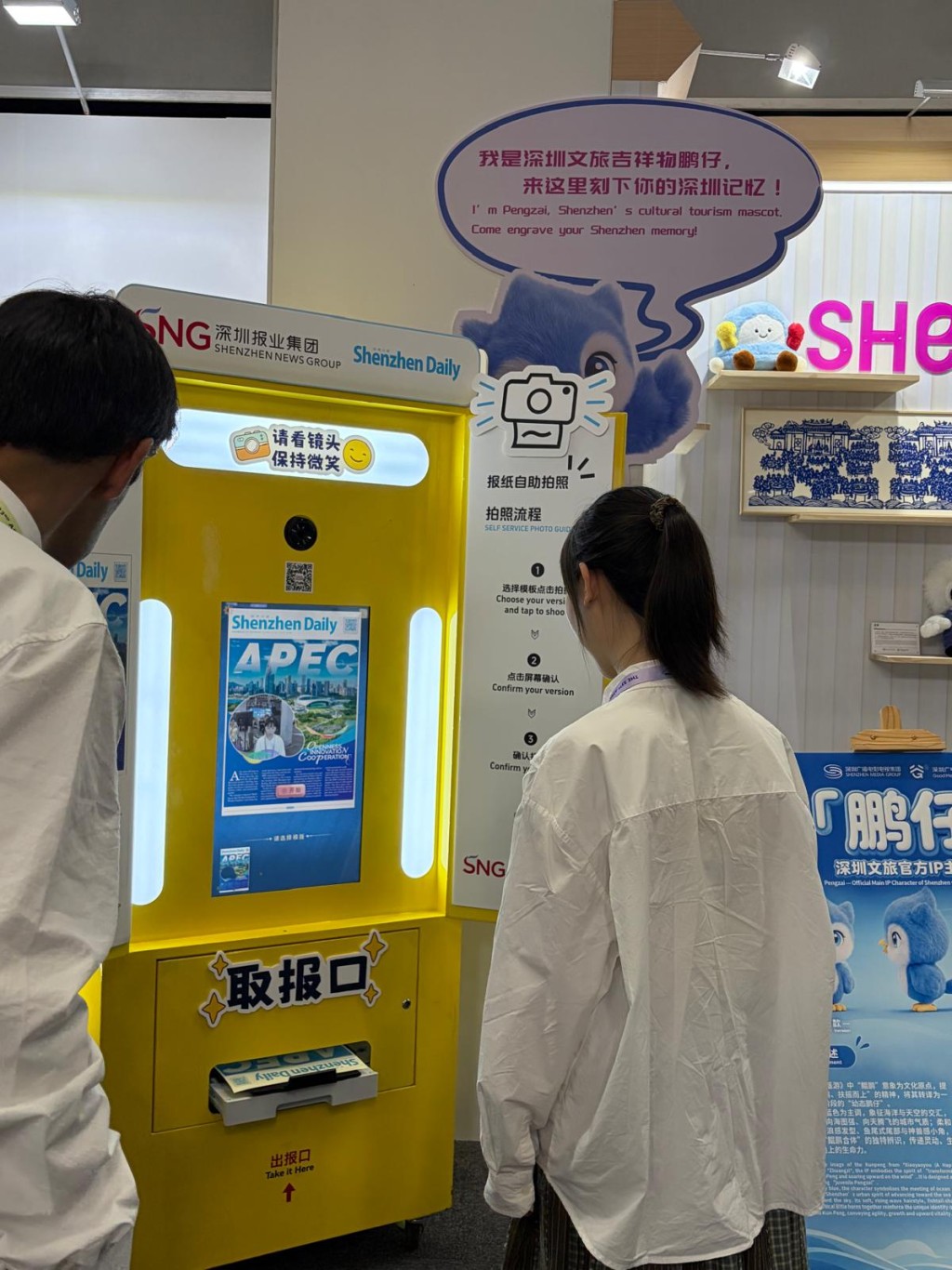
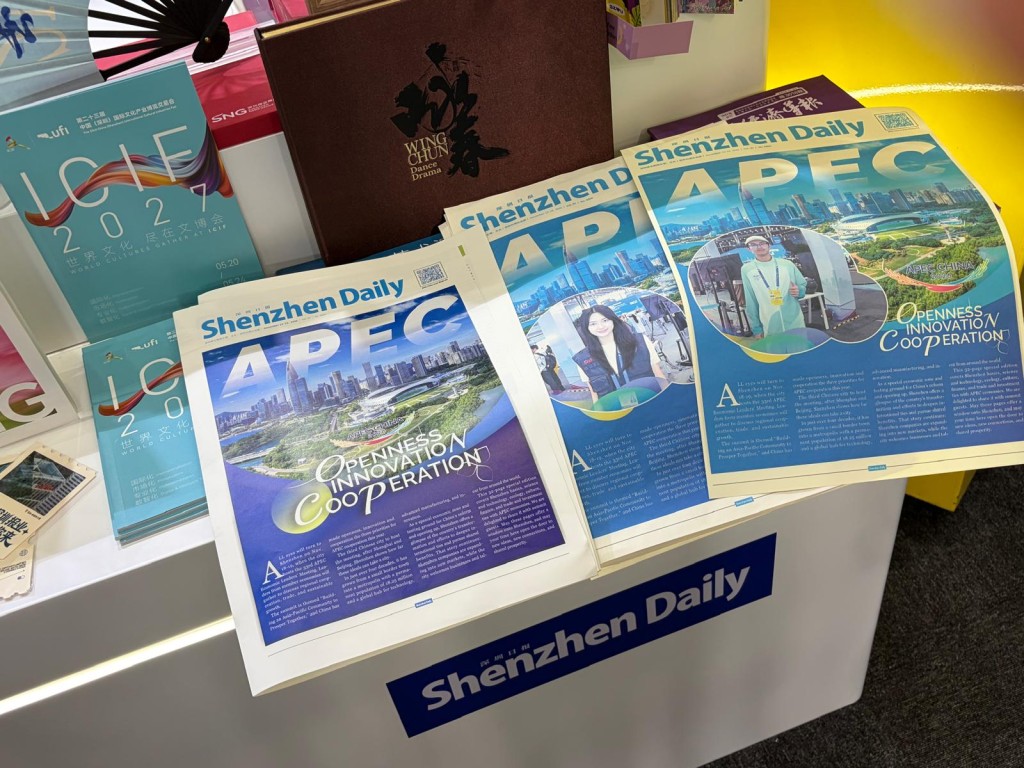
Journalsits can create a Shenzhen Daily front page and an AI photo-booth card. Using professional cameras, tracking systems, XR LED displays, and real-time 3D rendering, it seamlessly blends presenters with virtual environments and supports flexible switching for diverse programs.
It also explores AIGC in scene creation to improve efficiency and quality. The studio supports news presentations, interviews, feature reports, and city promotion, showcasing achievements in audiovisual innovation and intelligent media production.
National Cultural Heritage
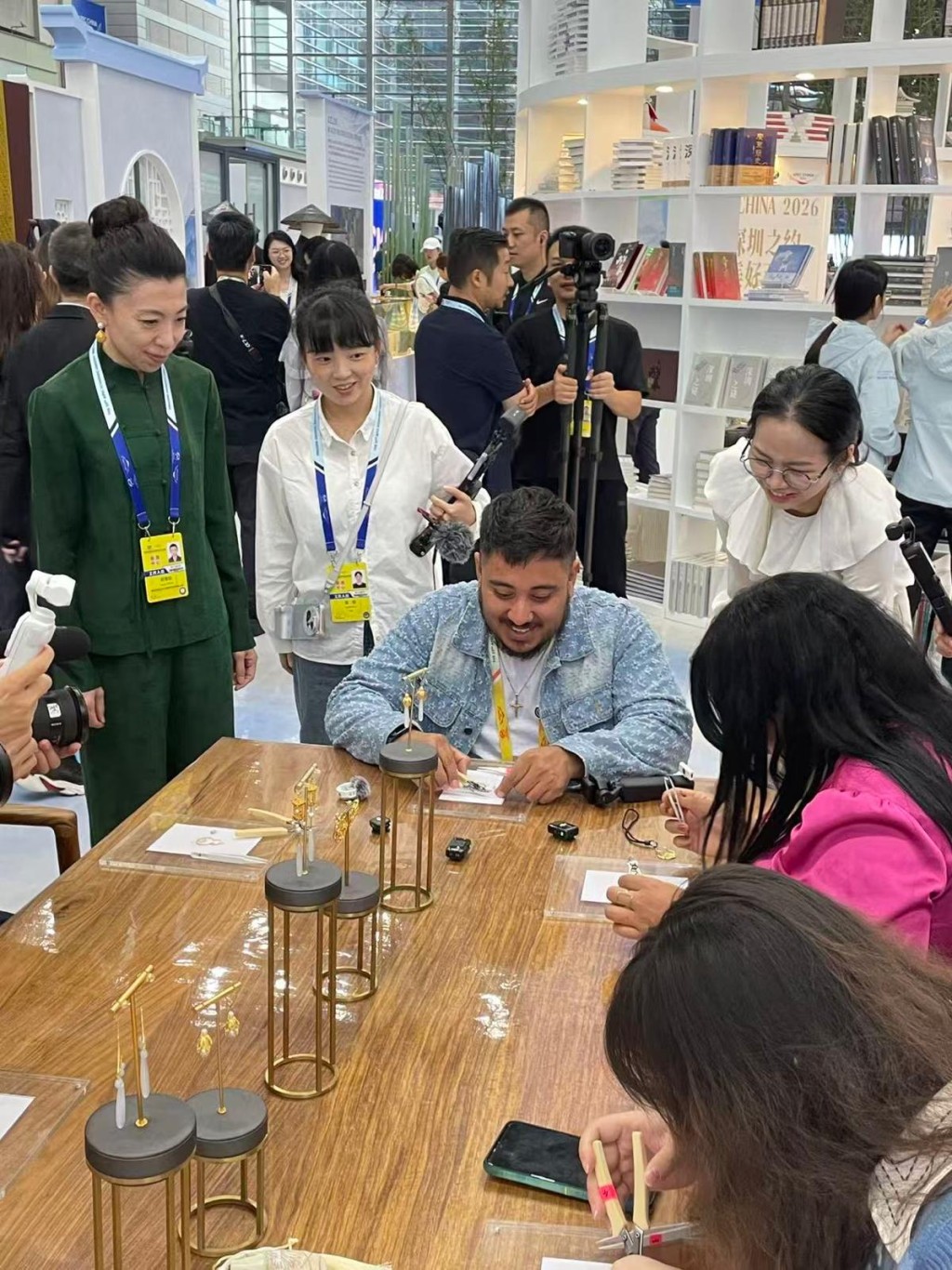
In another cultural session, journalists can explore Chinese palace arts, including accessories and ornaments inspired by auspicious creatures such as dragons, phoenixes, and butterflies.
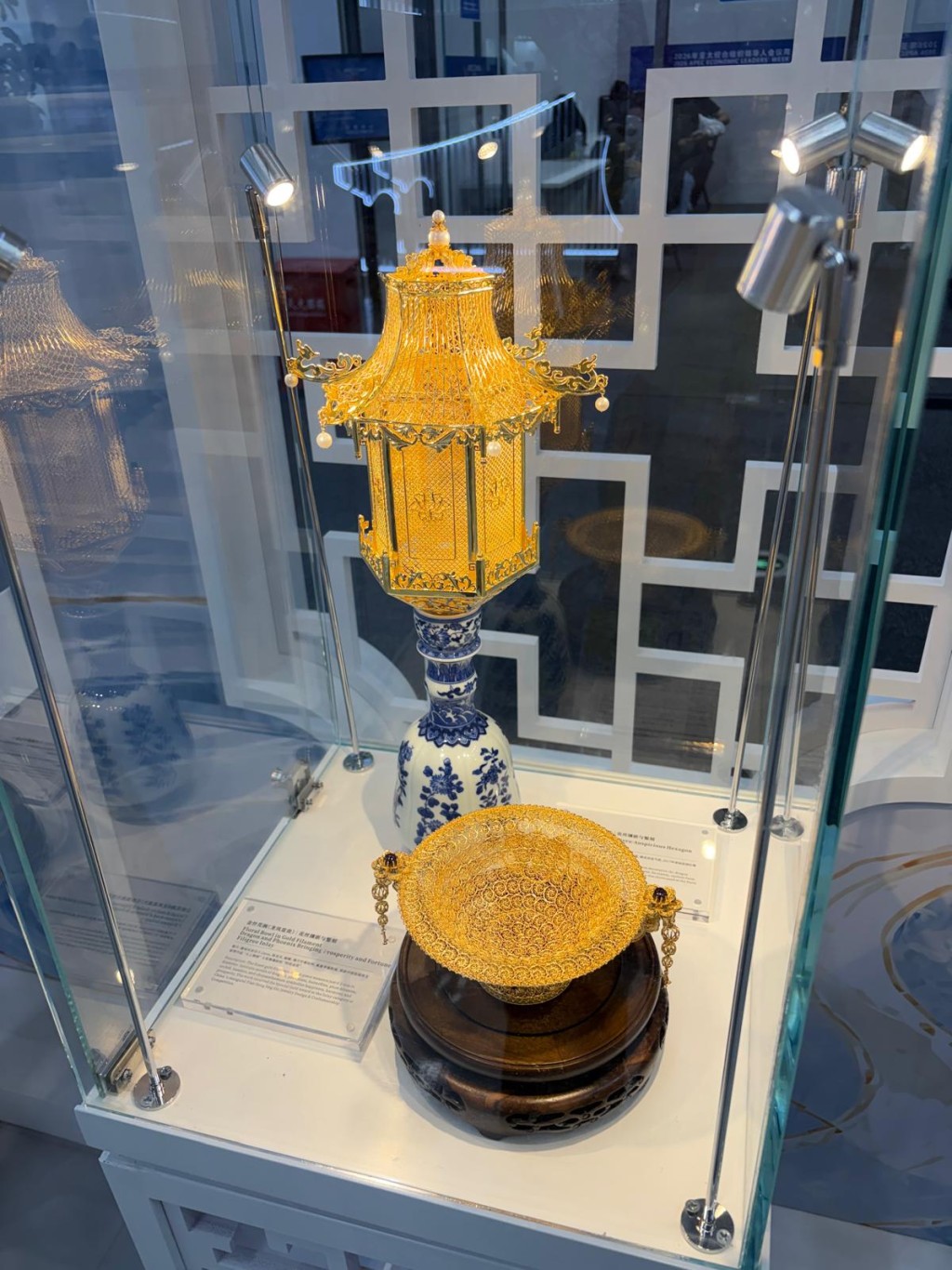
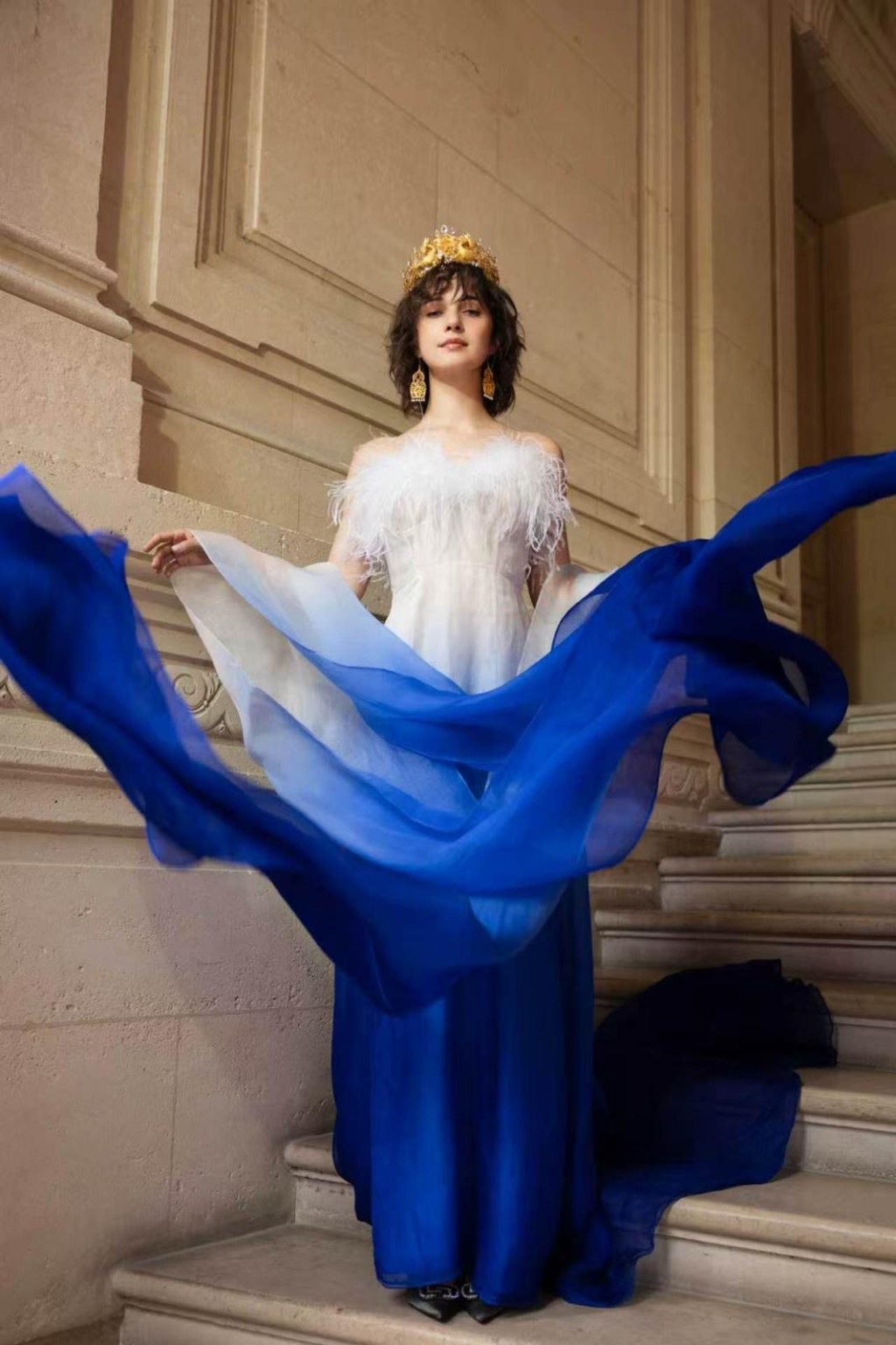
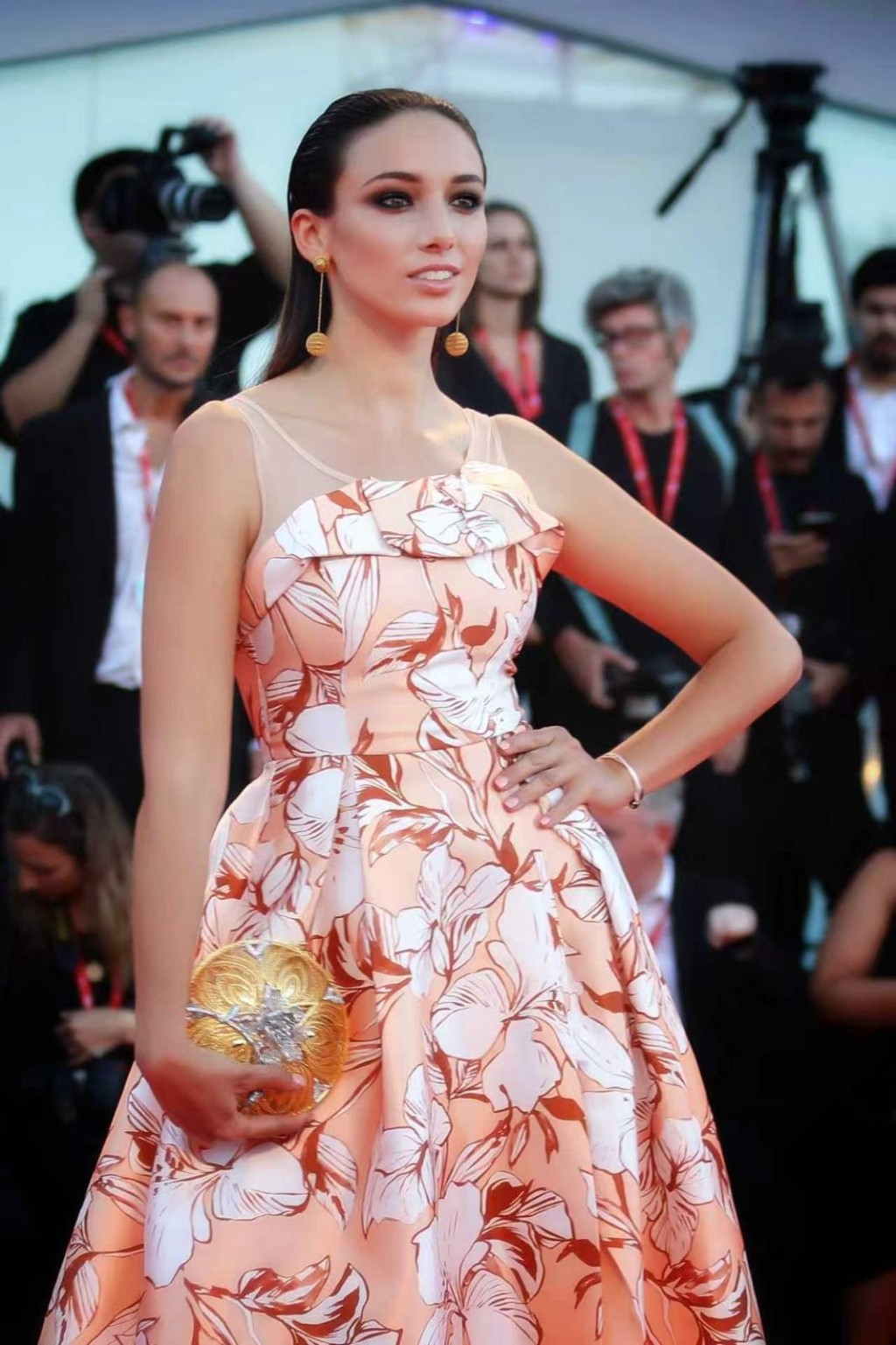
In a tour guided by Guo Yitan, the heir of intangible cultural heritage filigree inlay and metal chasing techniques, she said the floral bowl in gold filament is a dragon and phoenix that symbolizes bringing prosperity and fortune filigree inlay, a highly intricate traditional Chinese imperial goldsmithing technique with a history spanning over a thousand years. Based in Shenzhen, the artisans blend this ancient heritage with modern, fashion-forward design concepts. By shaping traditional craftsmanship into contemporary silhouettes and multifunctional products, they create pieces that are well-suited for modern fashion and international markets.
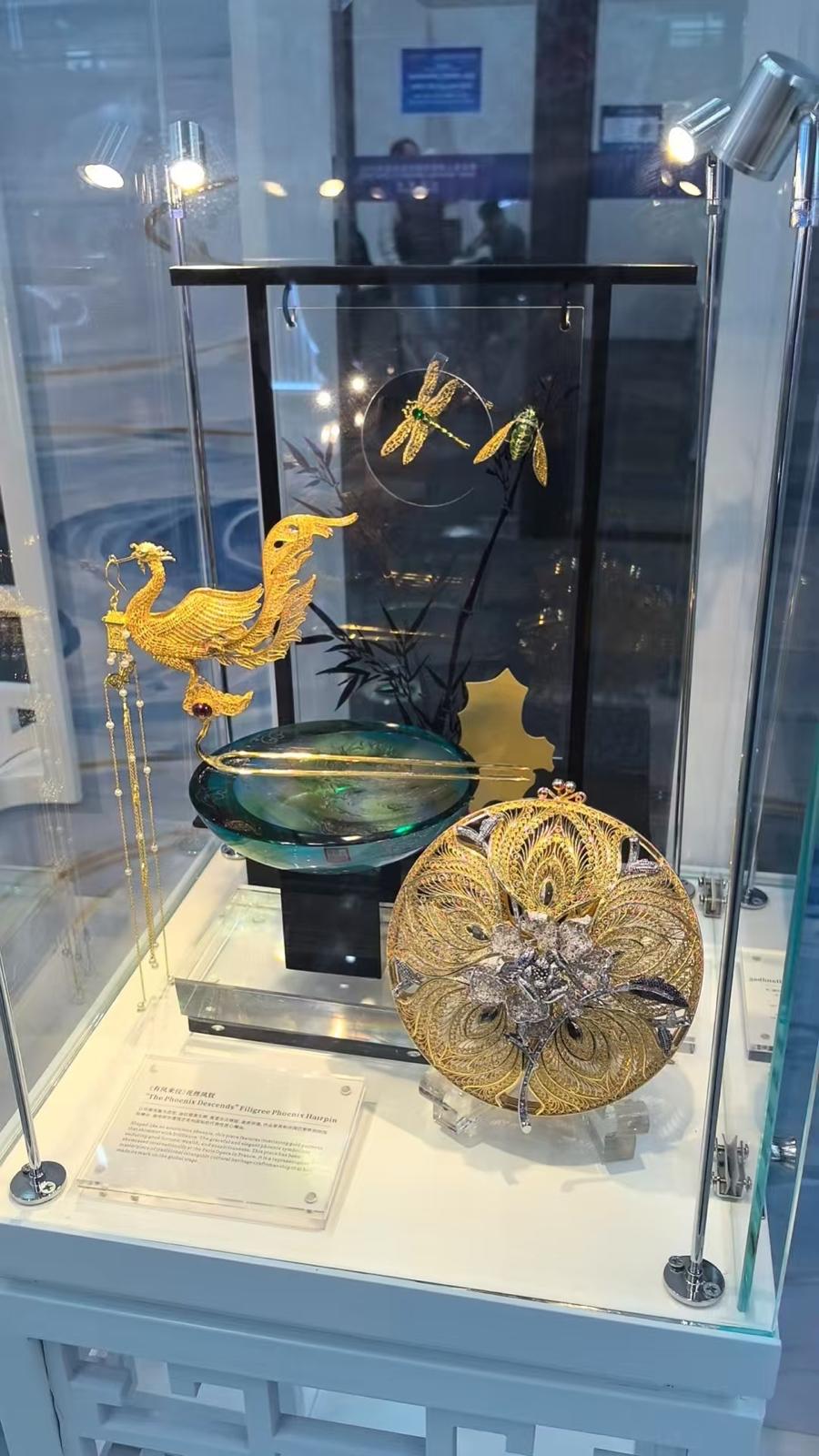
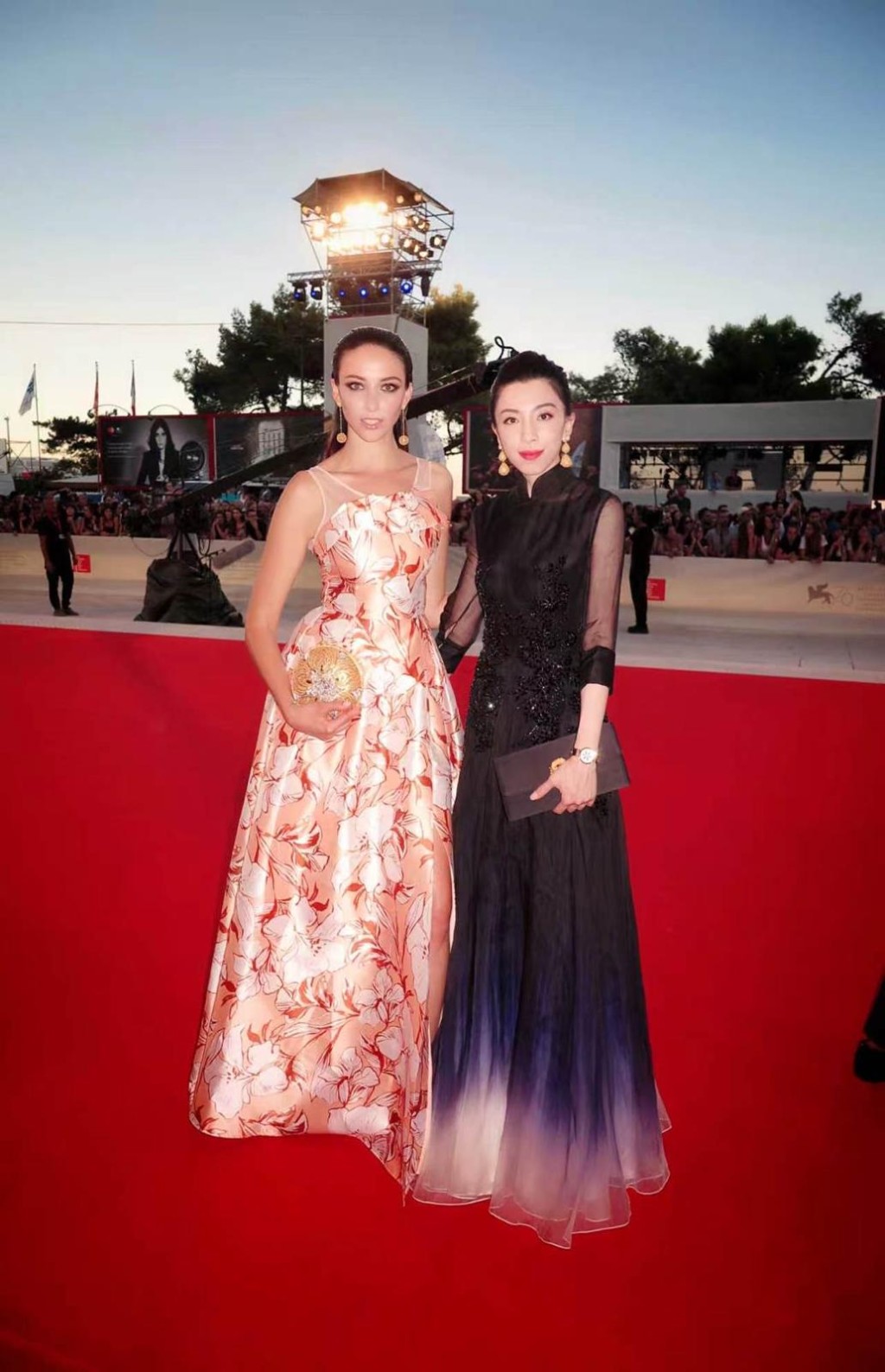
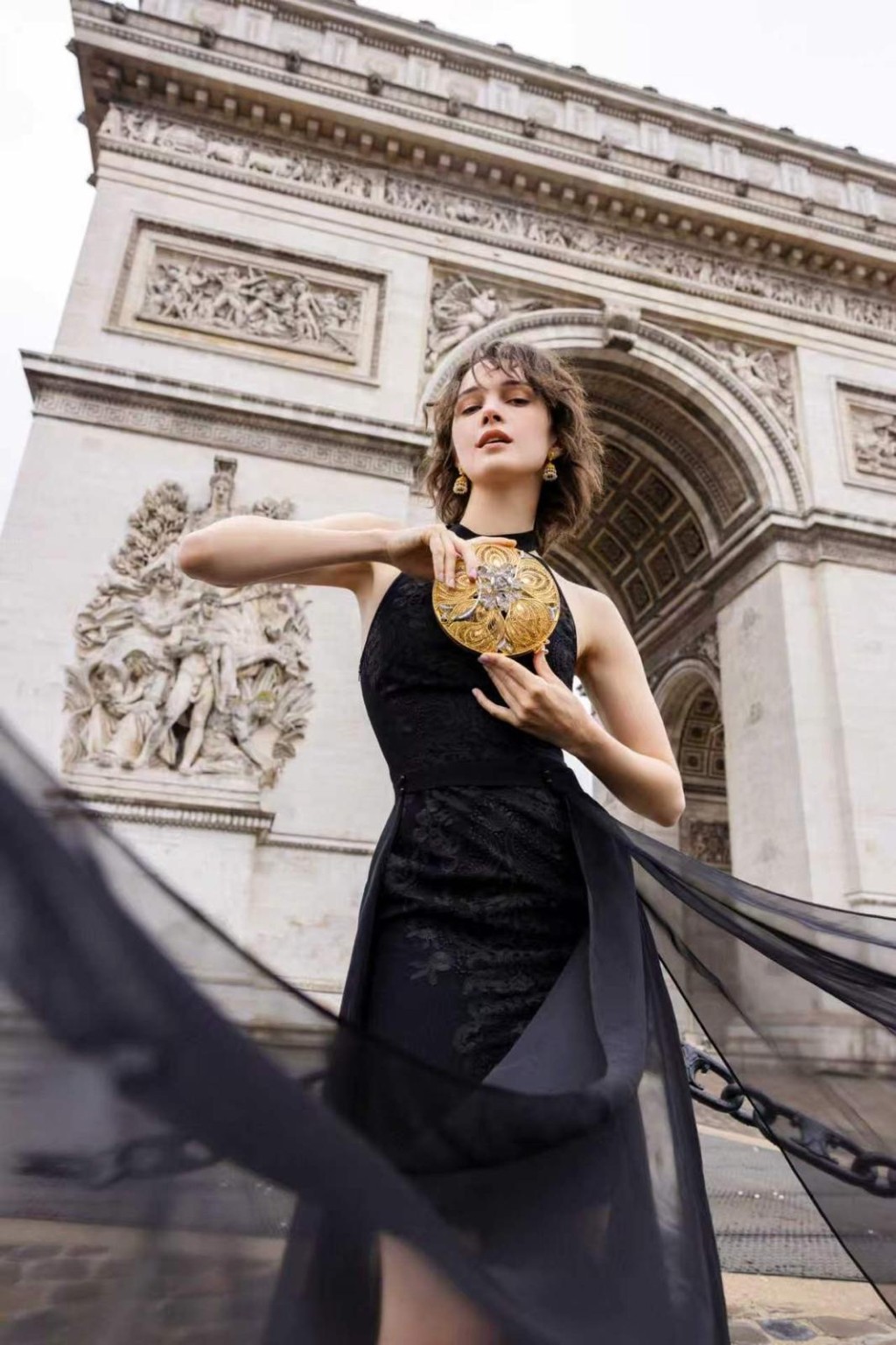
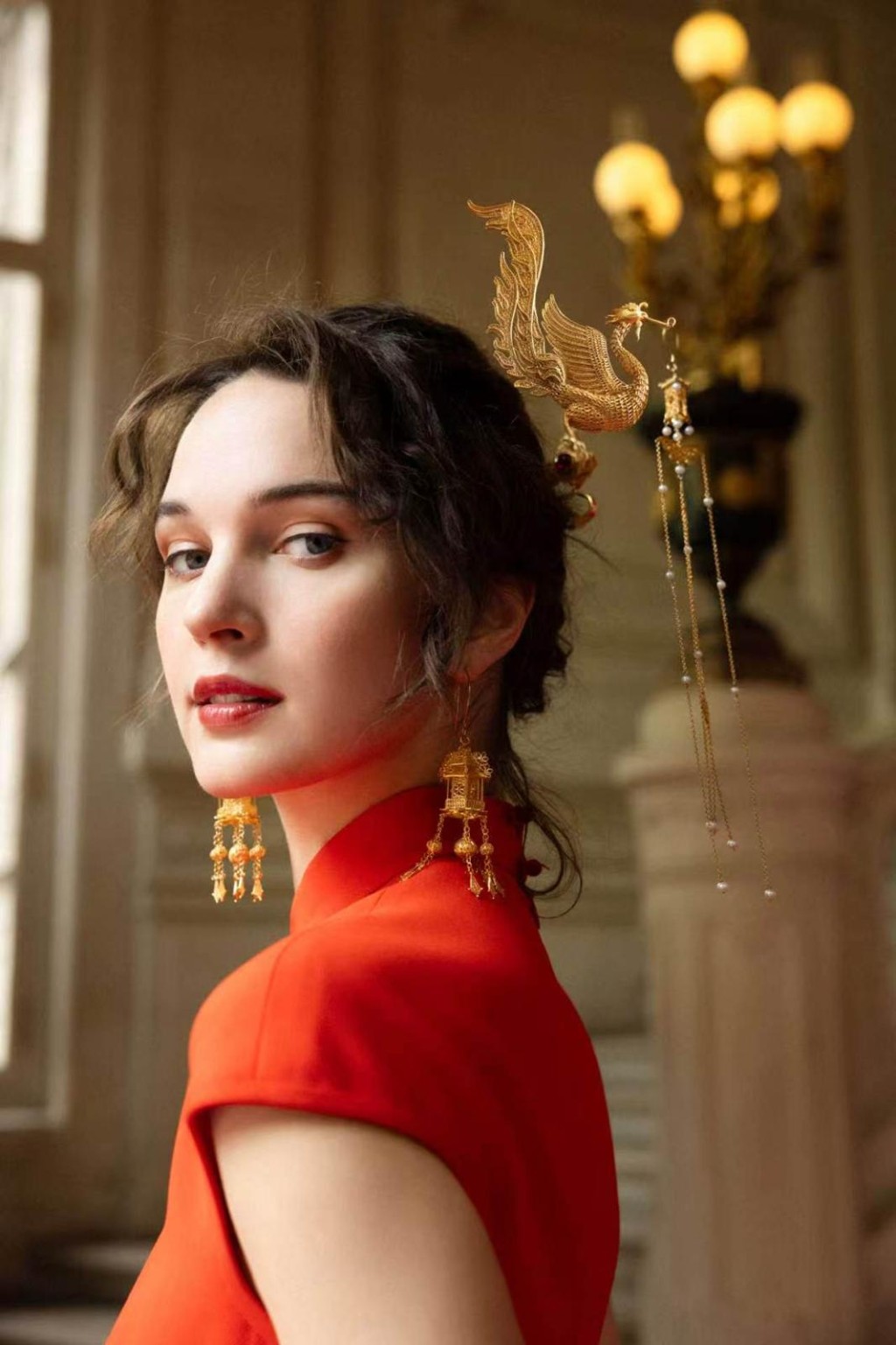
The “Phoenix Descends” Filigree Phoenix Hairpin is a phoenix hairpin with detachable, swaying elements akin to traditional palace ornaments, and a handbag designed for the Venice International Film Festival featuring a detachable peony brooch and a hidden phoenix motif. Additionally, lifelike dragonfly and cicada brooches feature movable wings, adding a biomimetic, interactive quality that allows them to be pinned to real flowers or art installations.
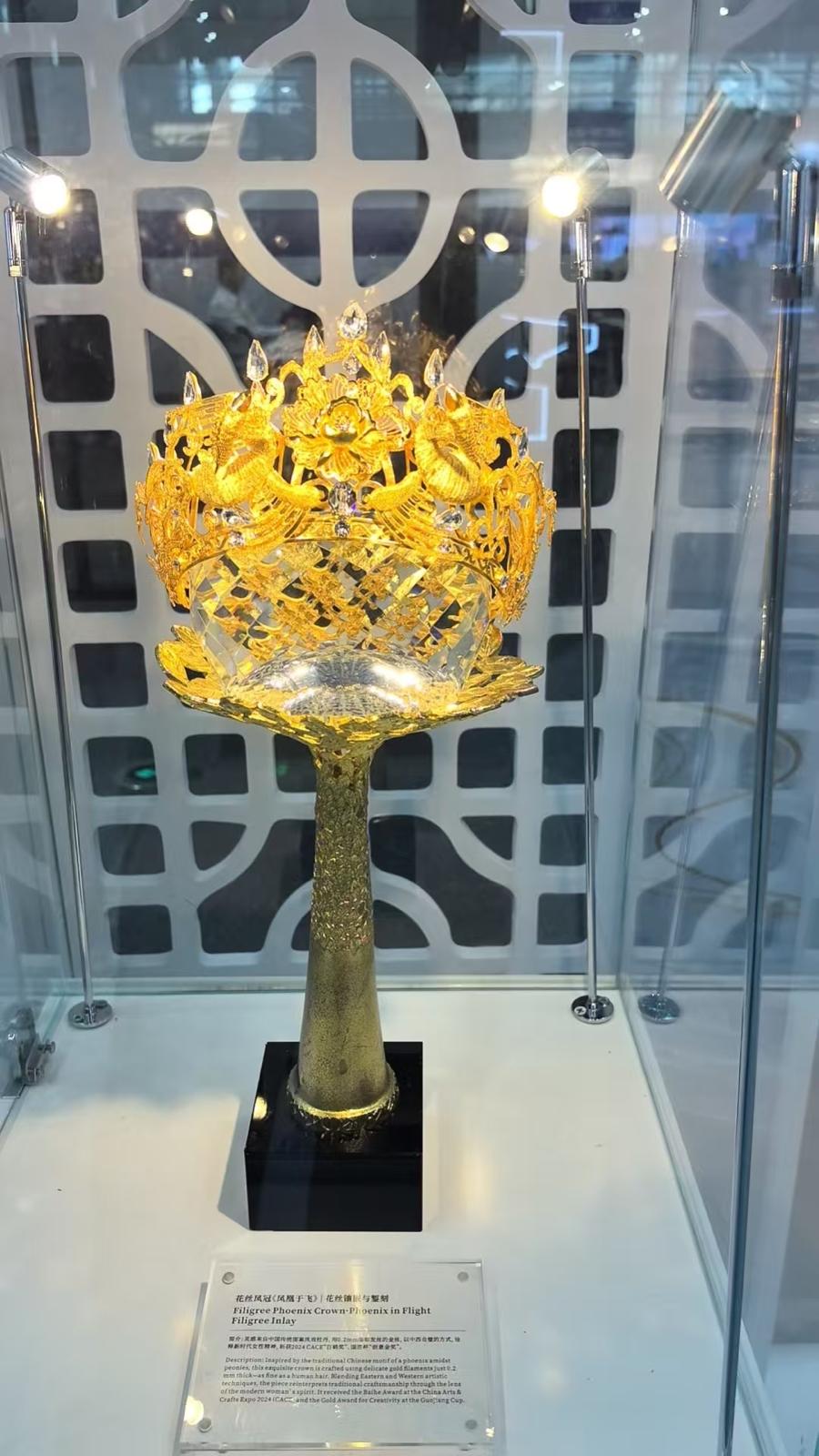
Finally, the filigree phoenix crown-phoenix in flight, crafted from delicate gold threads just 0.2mm thick, has been exhibited globally, including at the 2024 Paris Olympics "China House," as well as in the US and Switzerland.
+1
Chinese Medicine Experience
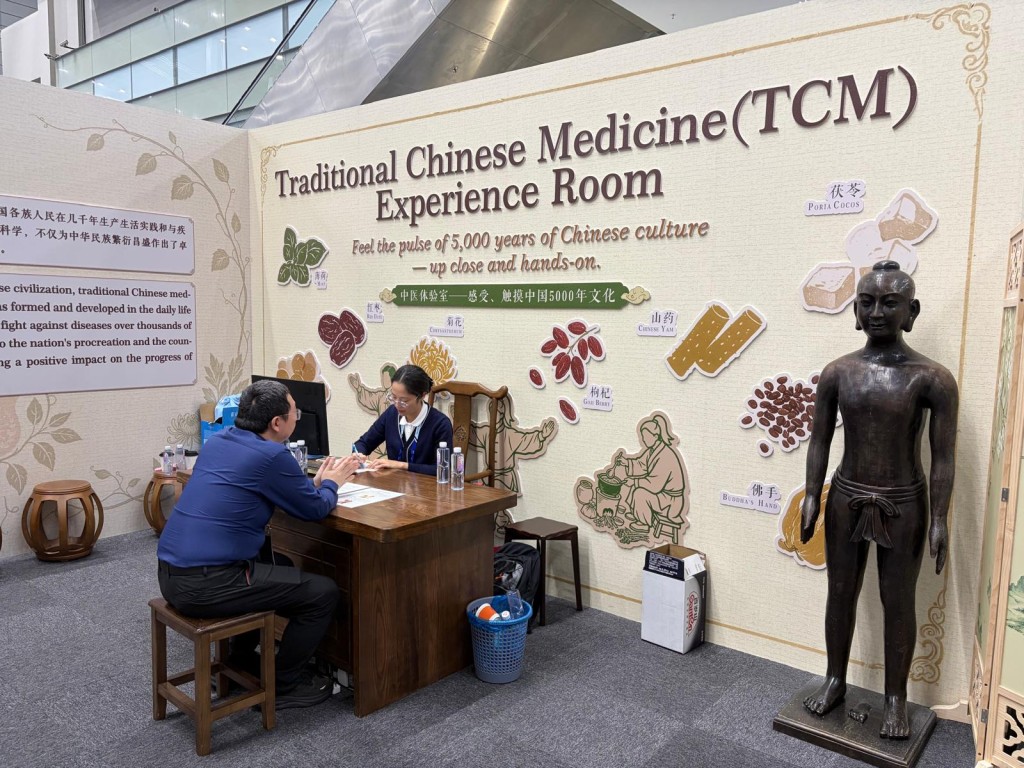
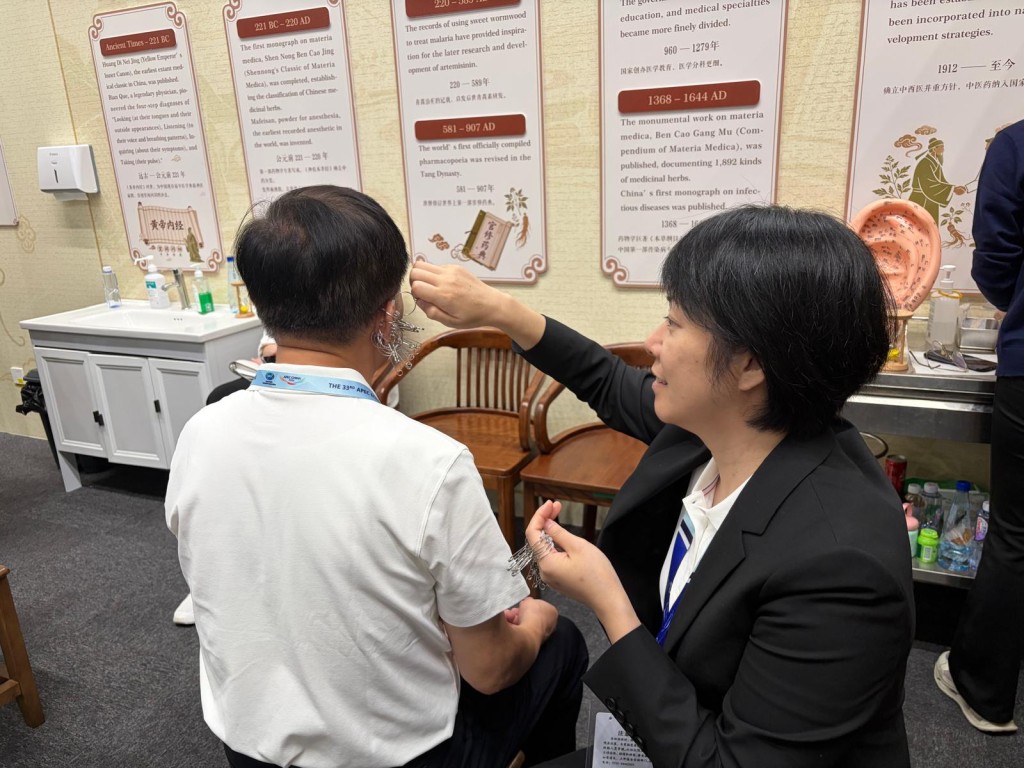
Foreign journalists can also experience traditional Chinese medicine, such as tuina, an external treatment that uses pushing, grasping, pressing, and rubbing on meridians, acupoints, muscles, and joints to relieve neck, shoulder, and lower-back tension and relax the body and mind.
Another one is ear-clip therapy, based on the ear’s holographic reflexology, which gently stimulates specific ear acupoints to harmonize qi and blood and rebalance the body, helping alleviate insomnia, fatigue, allergies, and digestive discomfort while also offering cosmetic and skin-rejuvenating benefits.
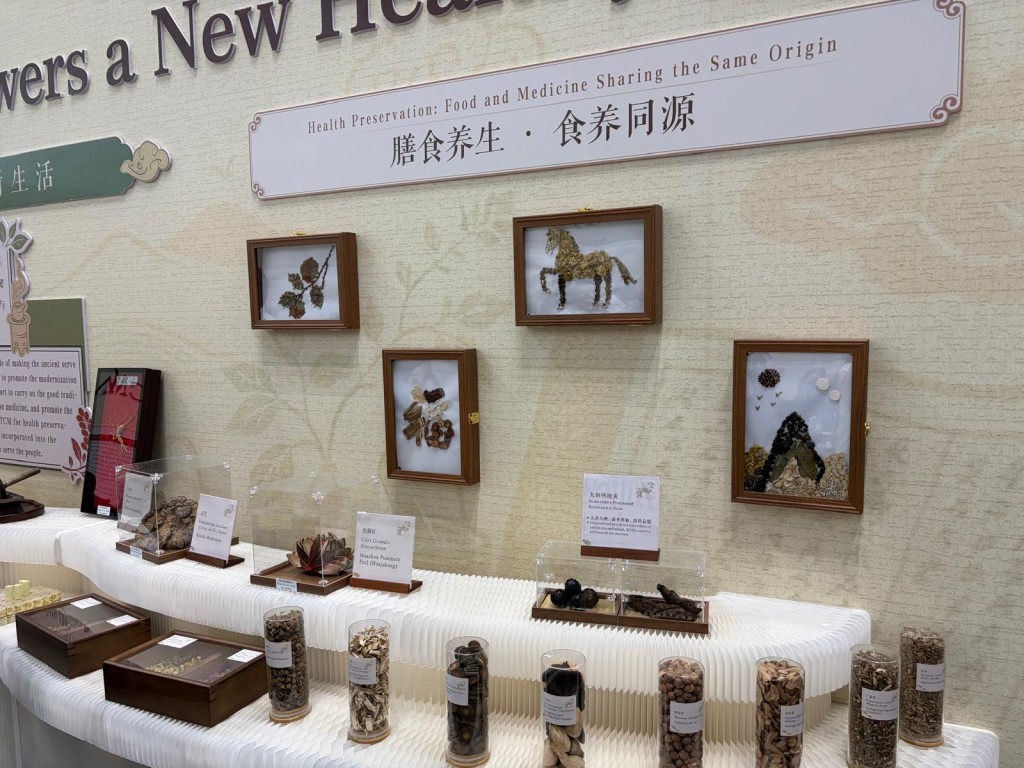
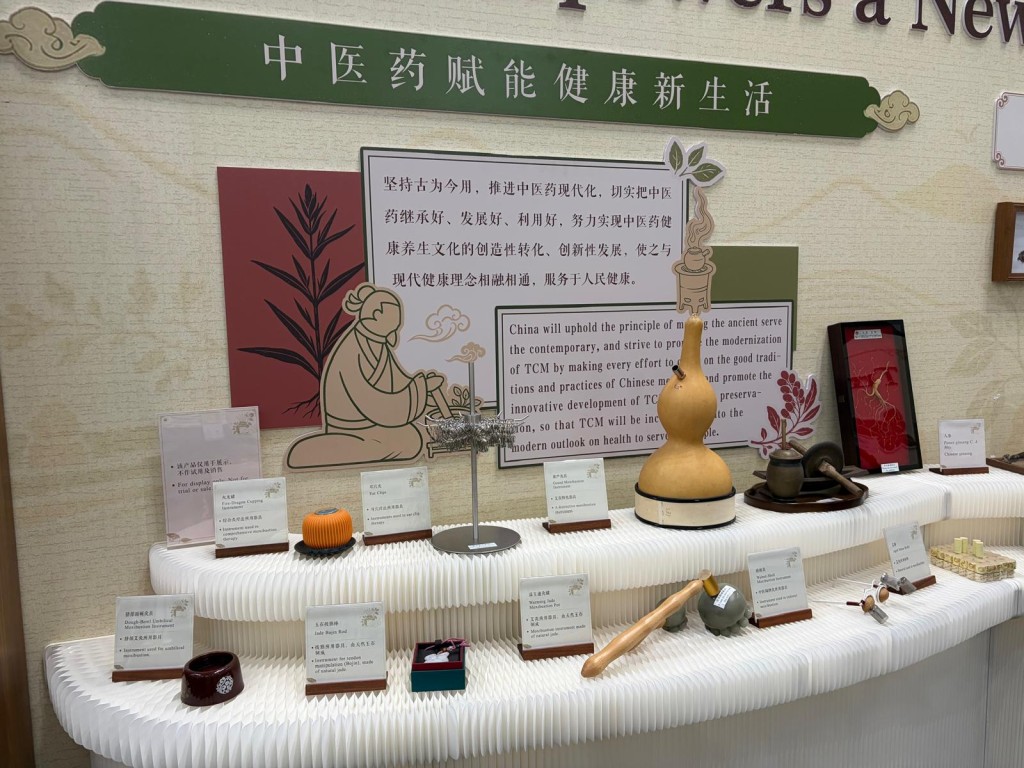
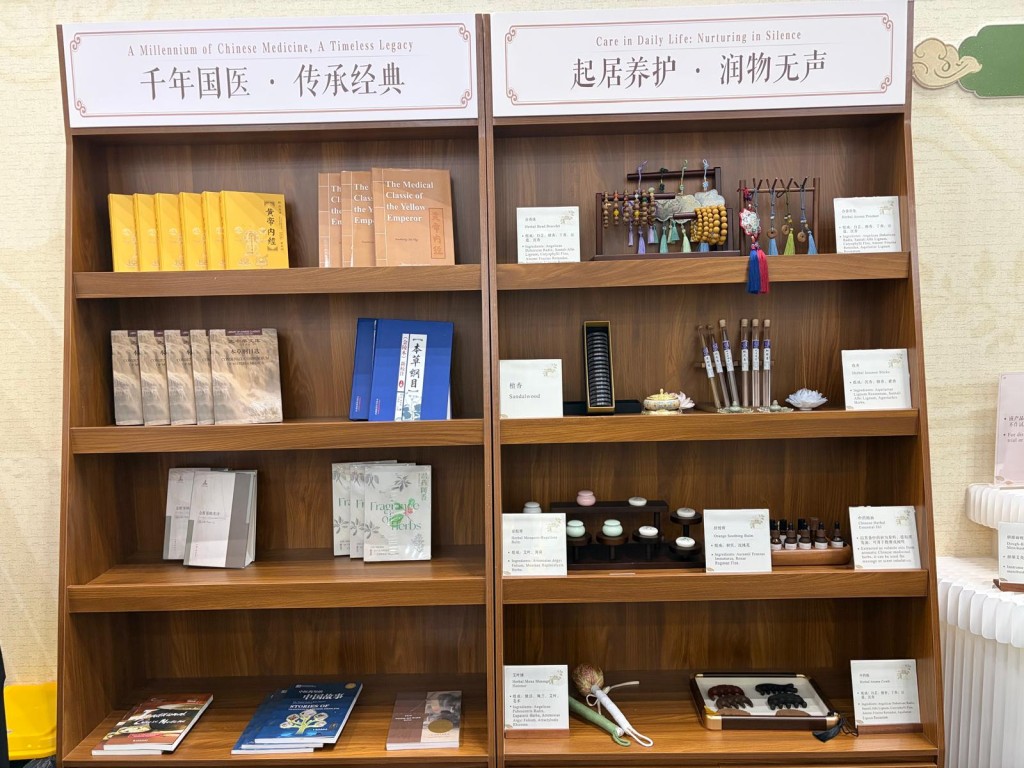
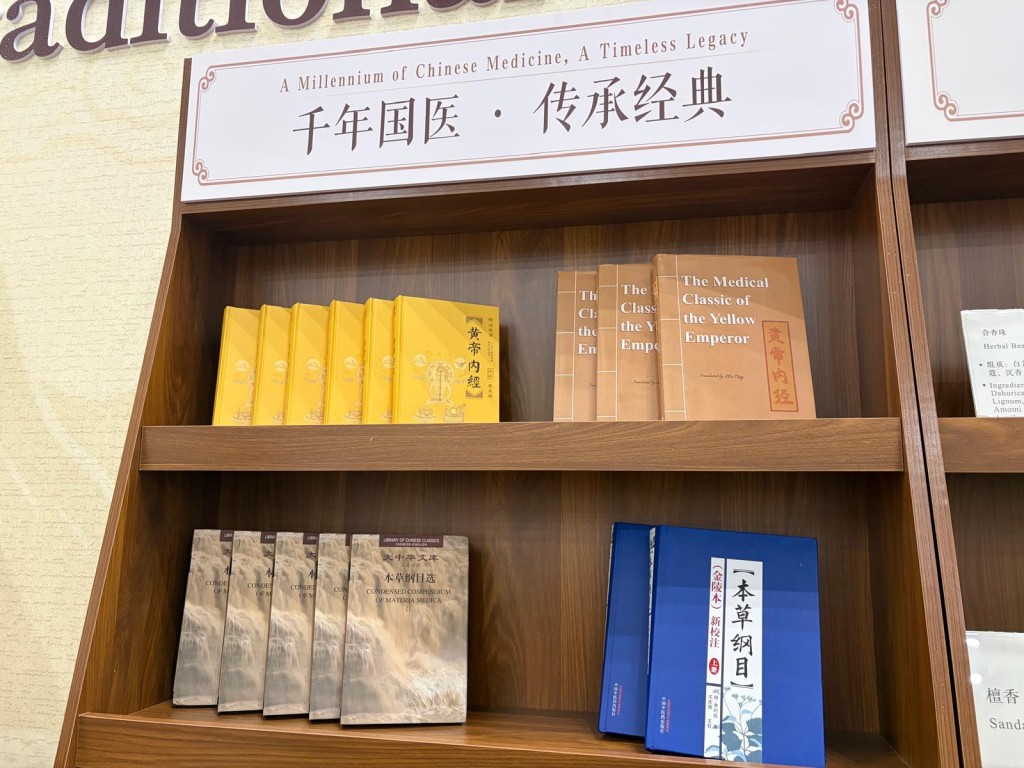
The zone also introduces four key areas of Chinese medicine knowledge, including medicine, health preservation, tools for meditation, and millennium-old Chinese medicine books, such as “The Medical Classic of the Yellow Emperor” and “Condensed Compendium of Materia Medica 11”.
+1
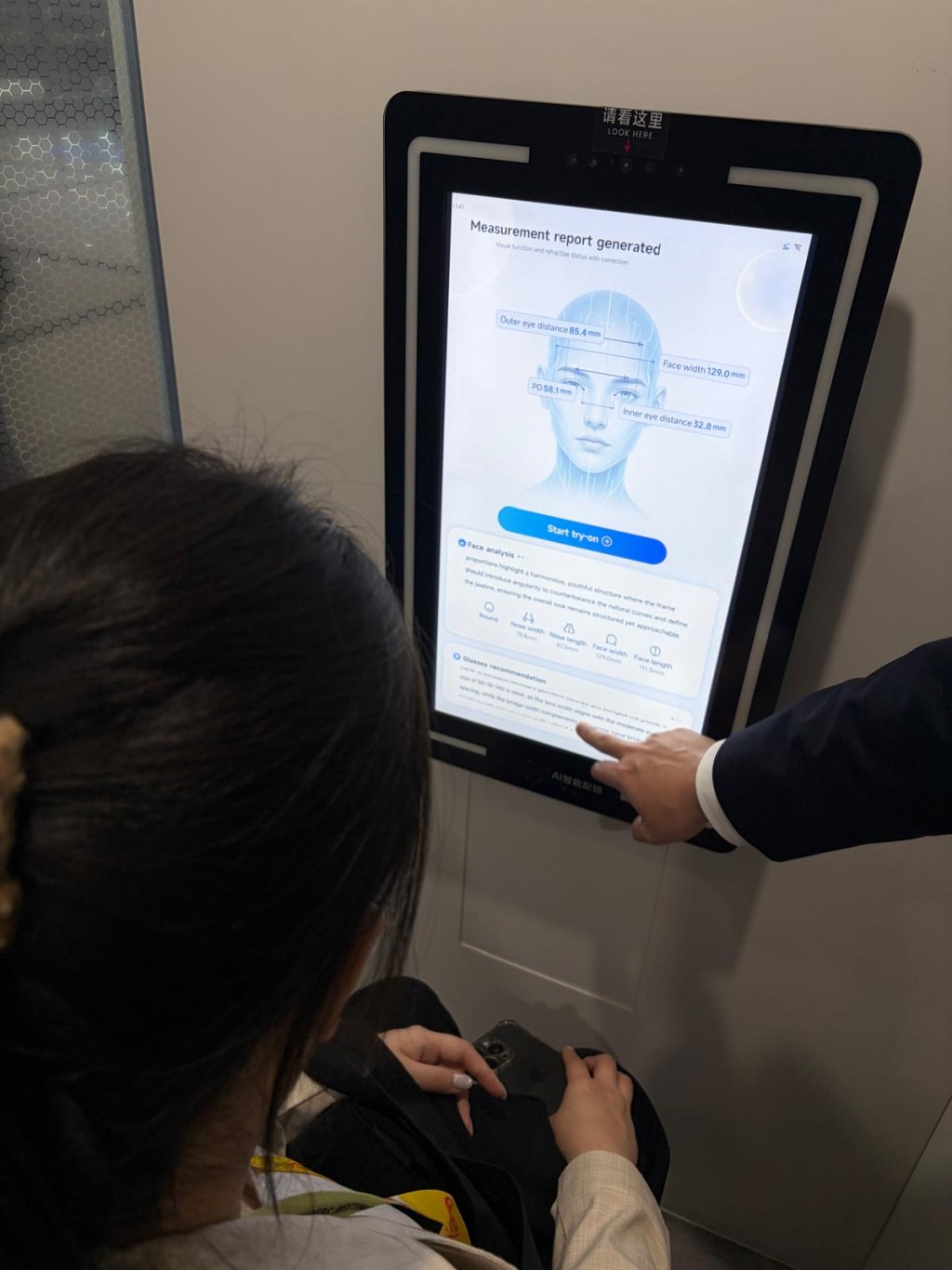
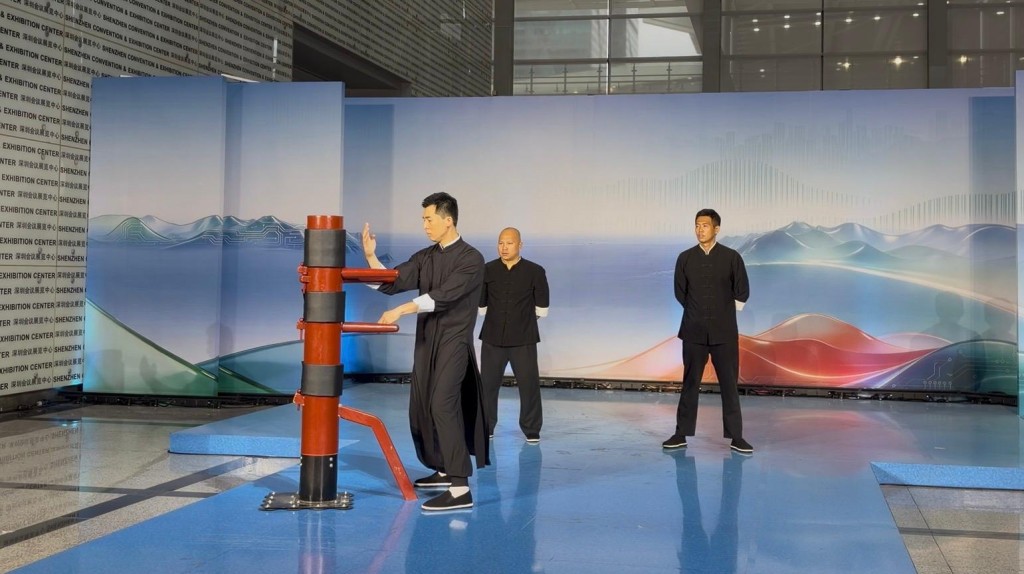
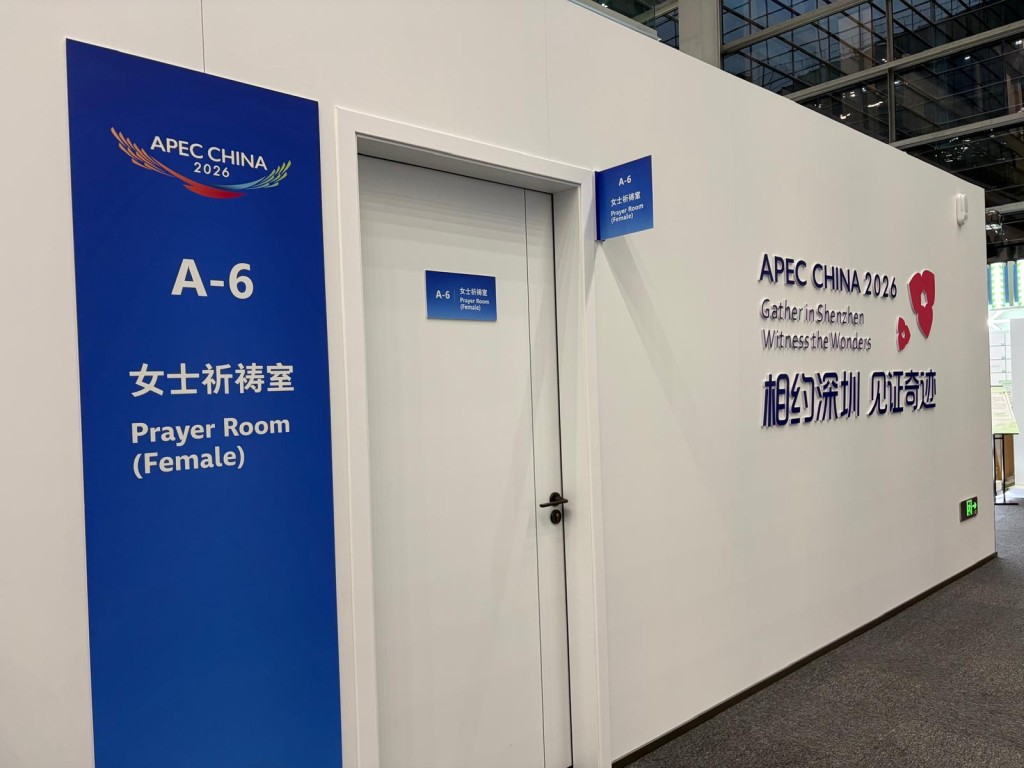
Other than that, there were also live performances of Chinese kung fu Wing Chun. Journalists can also get a prescription for glasses and have an eye check for free. Meanwhile, the center features prayer rooms for people of religious beliefs.