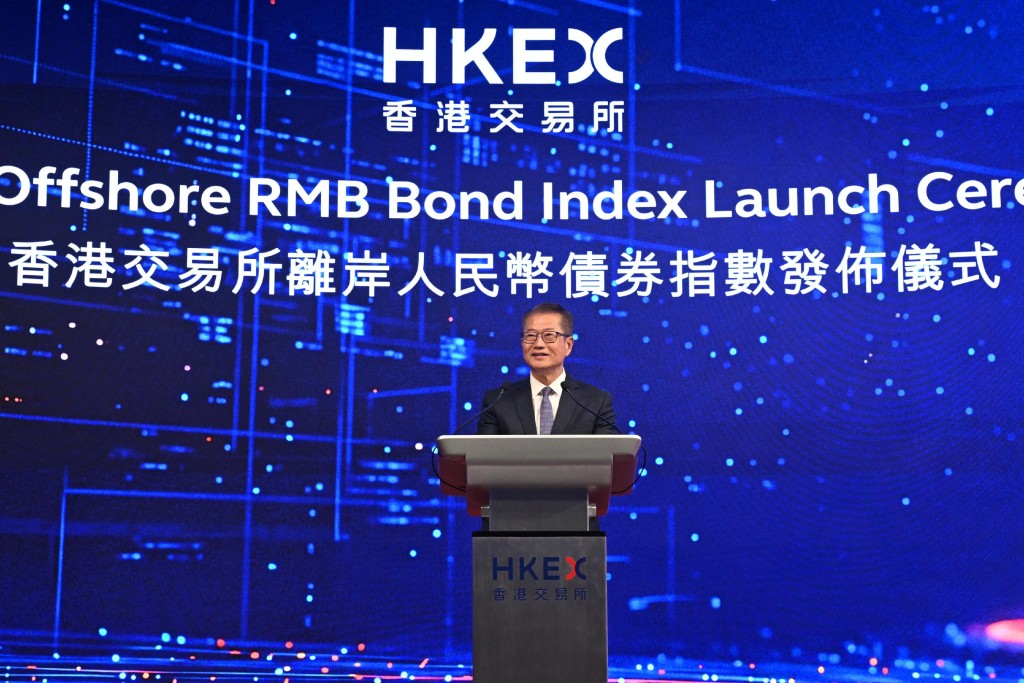
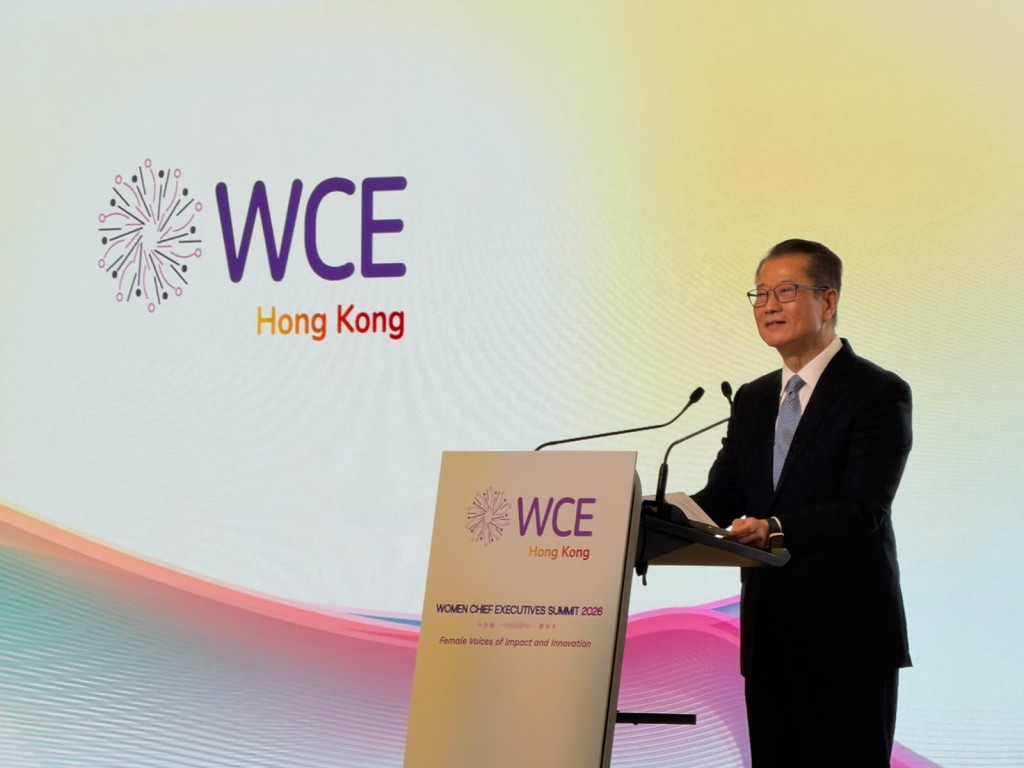
Hong Kong aims to become the market of choice for global corporates and investors to raise yuan funding, invest in yuan assets and manage yuan risk, Financial Secretary Paul Chan Mo-po said on Monday, as the city's bourse operator launched the first benchmark for offshore yuan bonds to boost the yuan's internationalization.
Tracking more than 300 yuan bonds listed in Hong Kong, the HKEX Offshore RMB Bond Index gives investors a clear benchmark for measuring market performance, he noted, adding that it also lays the foundation for index-linked products, which will make yuan bonds easier to invest in.
Funds and exchange-traded funds tracking it can offer global investors a convenient way to gain exposure to a diversified basket of yuan bonds, resulting in broader participation that would lift secondary market trading, he said.
More active trading would lower transaction costs and sharpen price discovery, which in turn should reduce funding costs for issuers, then lower costs draw in more issuers and more products, creating a virtuous cycle, he added.
"The new benchmark is ready. I encourage you to put it to use, developing products that meet the needs of international investors and giving them more ways to invest in yuan assets," he said.
As a financial powerhouse, Hong Kong will continue to make efforts to deepen liquidity, widen investment choices and strengthen the city's role as an offshore yuan business hub with the industry, he added.
Competitive yuan funding in Hong Kong
Chan pointed out that the yuan internationalisation enters a new phase, with more than 98,000 contracts of the five-year China Government Bond futures launched in August being traded during its first three trading months, totaling over 50 billion yuan (HK$58.8 billion) in notional value.
As at the end of September, outstanding yuan loans in Hong Kong stood at close to 1.1 trillion yuan, up more than 20 percent year-on-year, he added.
A growing number of overseas governments, corporates and multilateral development banks are choosing Hong Kong to raise yuan funding, Chan noted, citing its cost-competitive strength amid elevated interest rates in many advanced economies.