






Read More

Hong Kong stocks rise at noon
4 hours ago


ICAC charges two former Johnson Cleaning executives over $75 million bribes
02-11-2026 10:48 HKT


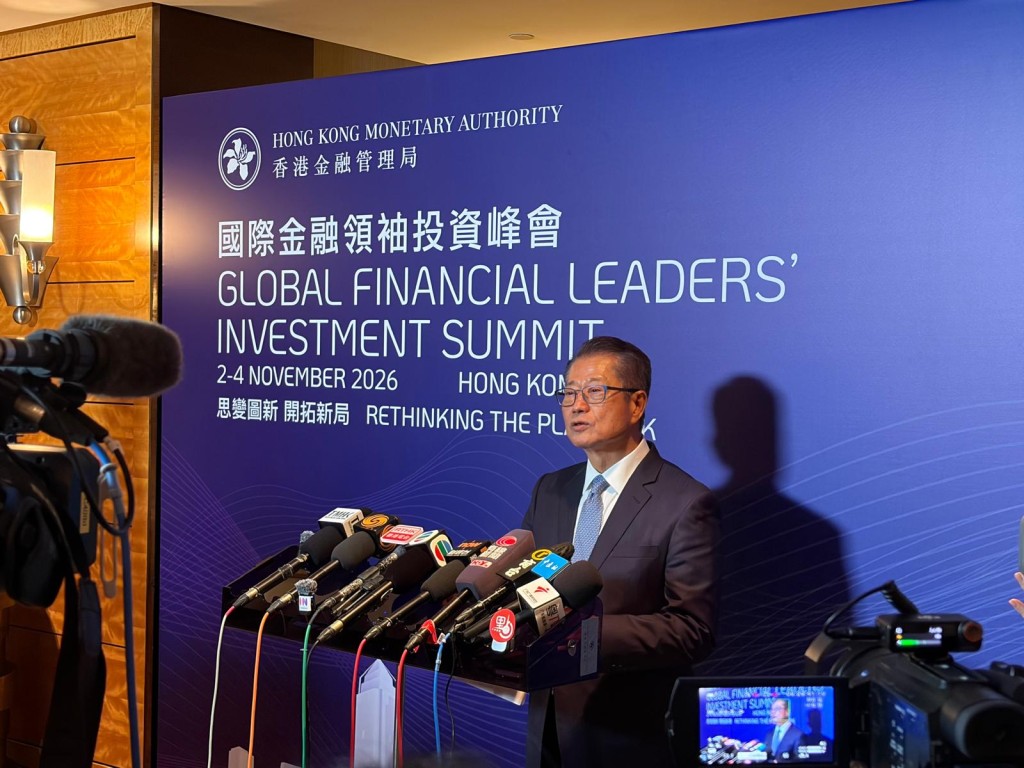
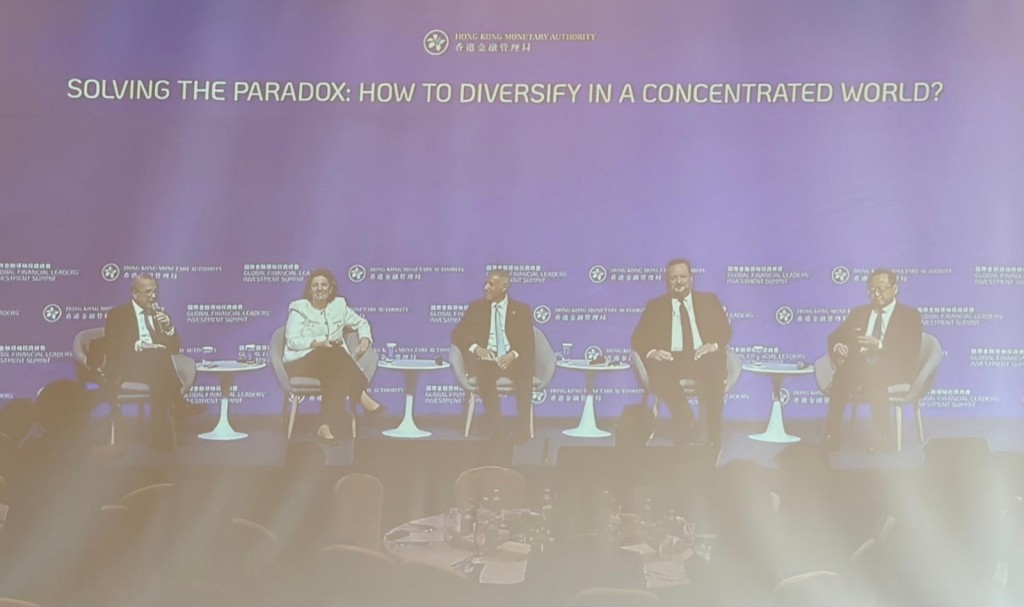
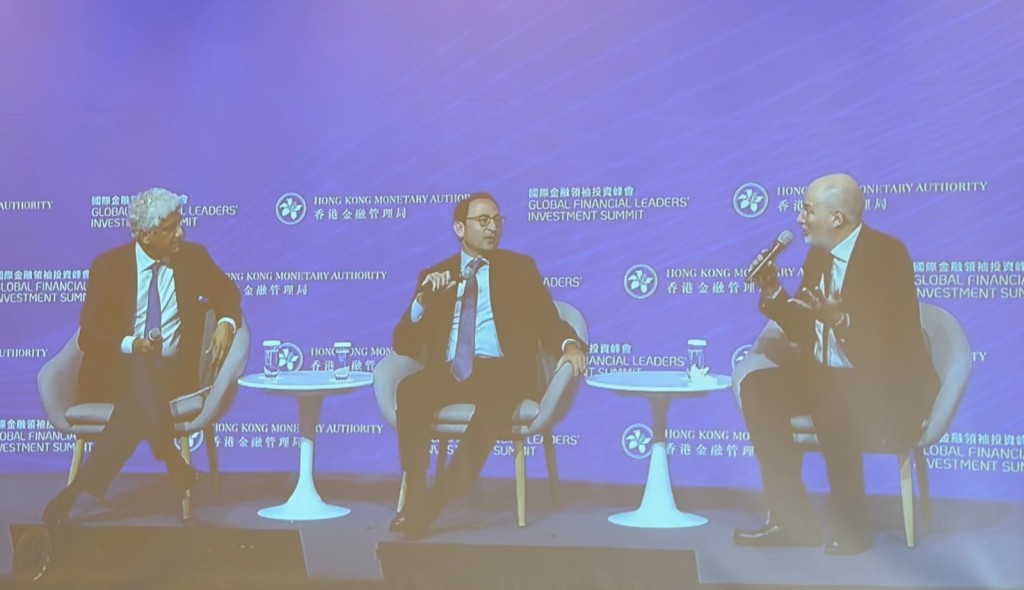
Financial Secretary Paul Chan Mo-po highlighted two immediate outlooks at the 5th Global Financial Leaders' Investment Summit – where the next wave of growth will come from companies, and which economies will offer the greatest opportunities – as he reiterated that Hong Kong’s continued development opens new opportunities for global business.
He said global financial leaders can expect next year's summit to be held in Hong Kong from November 1 to 3, 2027.
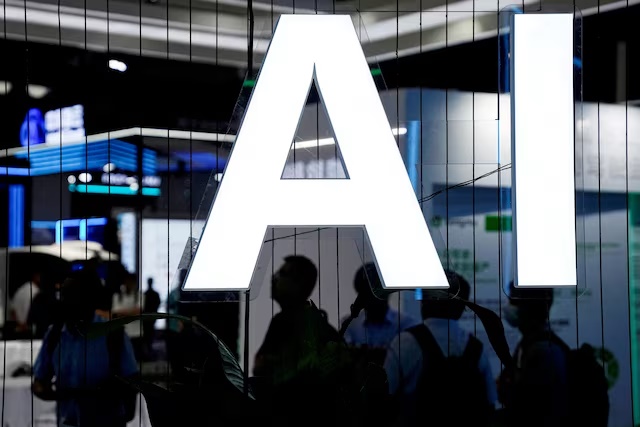
AI is becoming a basic business capability, Chan noted, whether it is in assessing investments, analyzing information, or improving efficiency.
As AI becomes more universal, there will no longer be a competitive edge, he said, and what matters will be how businesses change around the technology.
“Technology can improve individual tasks, but its greatest promise is to improve how institutions work and how they serve people,” Chan said.
Chan highlighted that China’s comprehensive industrial base and wealth of real-world applications make it fertile ground for AI-native growth, adding that factories, hospitals, and logistics networks provide extensive opportunities to test AI and develop new businesses.
He cited World Bank data that small AI applications can especially help developing countries improve productivity in agriculture, healthcare, and education, which creates opportunities to leapfrog traditional stages of development.
Hong Kong is seizing new opportunities under the Finance+ strategy in two approaches, with the first being supporting innovative businesses through different stages of development as they connect with international capital, Chan said.
He noted that the city offers A+H listings that help mainland companies reach global investors and give those investors greater access to opportunities in China, where a company is listed and traded on both the mainland A-share market (Shanghai or Shenzhen) and the Hong Kong H-share market simultaneously.
Chan also said the Hong Kong Investment Corporation is helping build a patient-capital ecosystem for enterprises to grow and form partnerships, including by working with international investors such as sovereign funds, sovereign wealth funds, and pension funds.
The second approach focuses on strengthening Hong Kong’s own contribution to innovation. “Our ambition is not only to finance businesses created elsewhere, but also to help create the enterprises of tomorrow,” Chan said.
He said the Northern Metropolis will be key in this initiative in bringing universities, research facilities, and technology enterprises closer together, linking education, technology, and talent more closely with industry, while providing a base for closer collaboration with other Greater Bay Area cities, including Shenzhen and Guangzhou.
Concurrently, Chan noted that Hong Kong is deepening engagement with the Global South, including Southeast Asia, the Middle East, and Central Asia, turning those relationships into investment channels to offer investors more options to diversify and meet their trading, financing, and management needs.
He highlighted that the city has welcomed more enterprises from Indonesia, Thailand, and Malaysia to list in Hong Kong. In the Middle East, Hong Kong and Saudi Arabia have launched exchange-traded funds, tracking each other's markets, which gives investors new routes to invest. In Central Asia, Kazakhstan has already tapped Hong Kong's equity and bond market.
Beyond equities and bonds, Chan also pointed to key growth in gold and commodities that gives investors more financing options.
“Our vision is to build an integrated market that brings together storage, physical trading, and derivatives, supported by efficient clearing and settlement, and establishing connections with Shanghai,” he said.
Hong Kong is expanding gold storage capacity to over 2,000 tons initially within three years, while the Hong Kong Exchanges and Clearing is preparing new yuan-denominated physical settled gold futures.
For commodities, the city is expanding warehousing capacity and the range of yuan-denominated products, while exploring tokenized warehouse receipts to facilitate financing, Chan said.