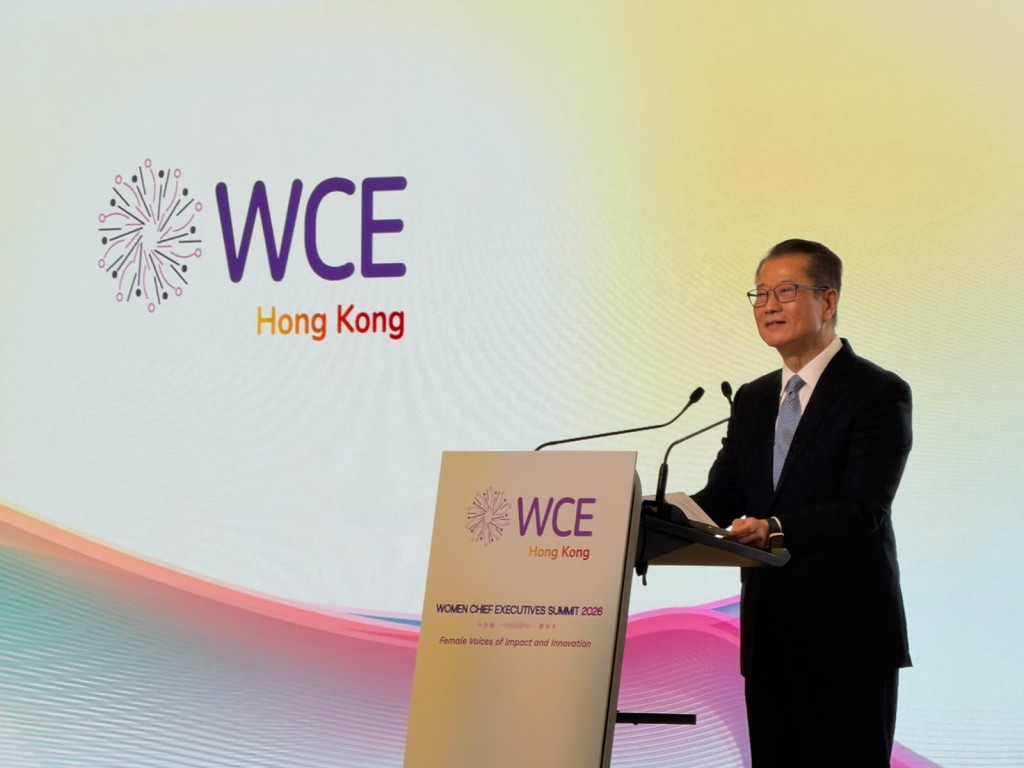
Women are expected to control a substantial share of wealth by 2030, reshaping investment decisions and where capital is directed, said Financial Secretary Paul Chan Mo-po at the Women Chief Executives Summit 2026 on Monday.
Chan noted that the baby boomer generation in the United States alone holds some US$30 trillion (HK$234 trillion) in financial assets. As this wealth gradually passes to spouses and younger generations, women will command a major share of capital by the end of the decade.
As wealth changes hands, investment priorities will shift accordingly, requiring financial institutions to adapt to the goals of a new generation rather than relying on past models, Chan added.
He also highlighted progress in women’s representation within financial leadership, citing a joint study showing that women held 45 percent of senior leadership positions in surveyed financial institutions, up from 34 percent in 2018.
Despite these gains, career barriers remain, particularly for mid-career women, Chan said, emphasizing the need to widen leadership access and draw on diverse talent to help institutions navigate change.
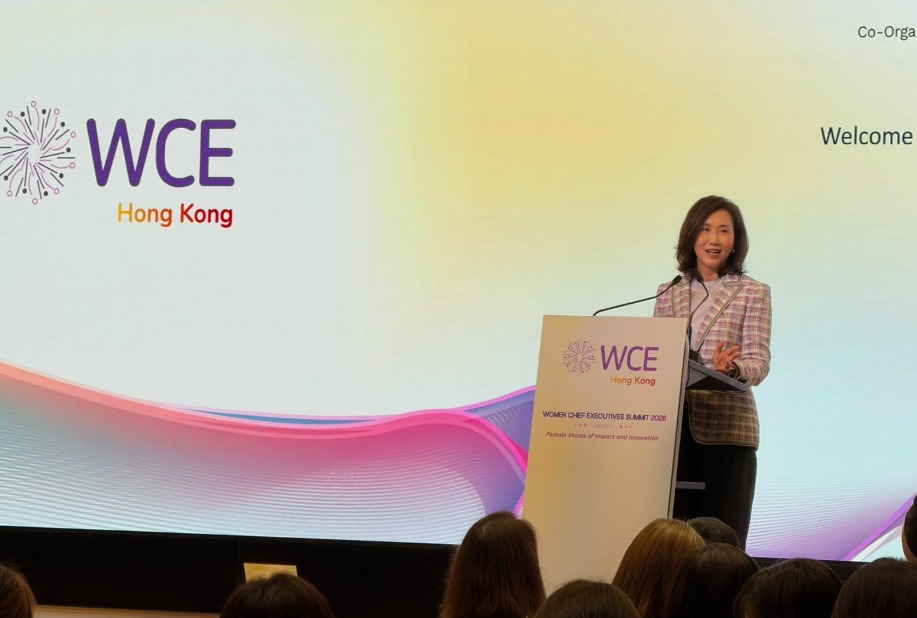
WCE has developed from a small group of women in finance eight years ago into a network connecting more than 60 women chief executives across Hong Kong’s financial industry, according to Mary Huen Wai-yi, chief executive officer of Hong Kong and Greater China and North Asia at Standard Chartered (2888) and co-lead of the WCE Advocacy Workstream.
Huen outlined the network's four core pillars: advocacy, talent, education, and community engagement. Key initiatives include supporting women executives' career progression, linking university students with financial leaders, and helping secondary students explore career paths.
Mary Huen
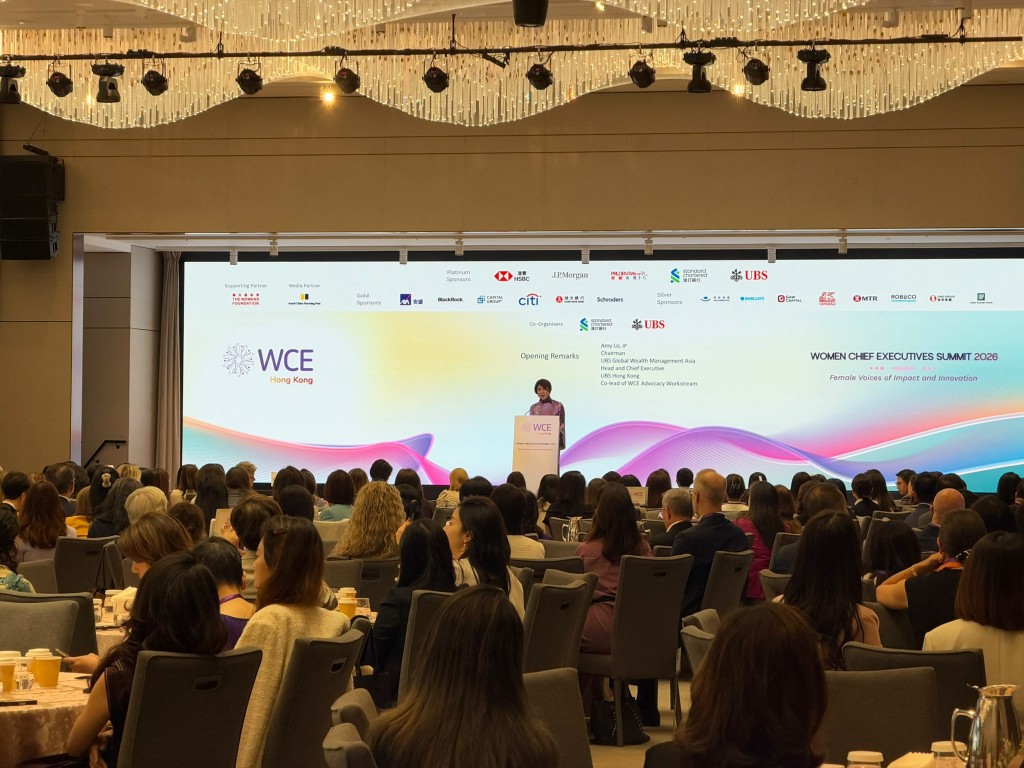
“Becoming leaders doesn’t mean we leave our younger self behind,” said Amy Lo Choi-wan, chairman of UBS Global Wealth Management Asia and head and chief executive of UBS Hong Kong, also co-leads the WCE Advocacy Workstream.
Lo said that formative experiences continue to shape leadership journeys, underscoring the vital role of collective learning and cooperation in managing industry transformation.
Amy Lo