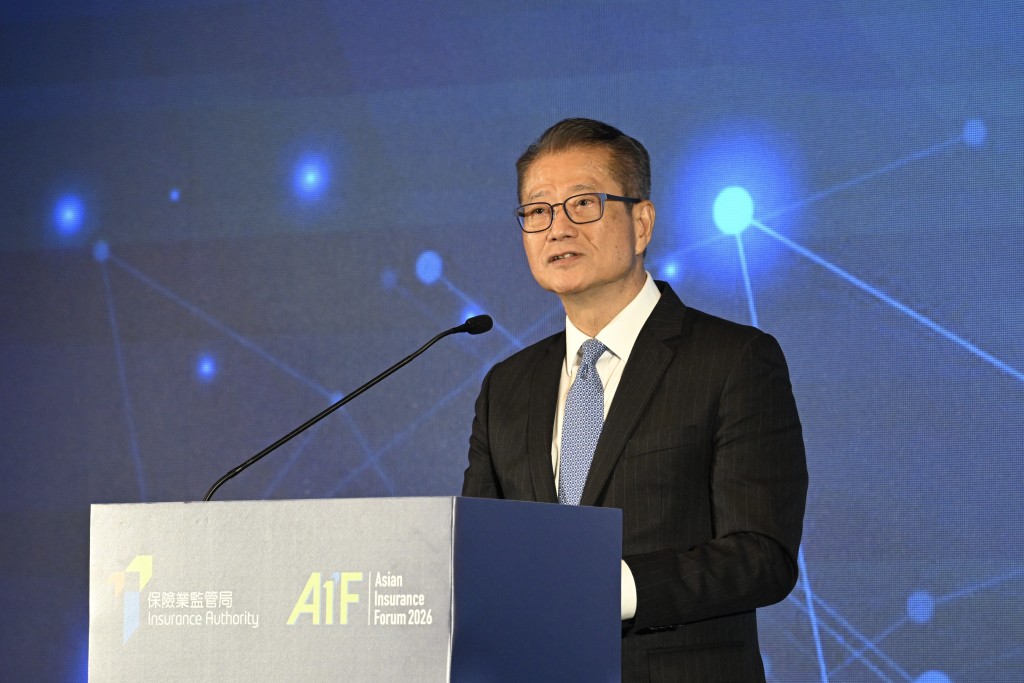
Hong Kong's finance and trade sectors are shifting from quantitative accumulation to qualitative enhancement, Financial Secretary Paul Chan Mo-po said, as the HKEX Offshore RMB Bond Index is set to launch on Monday.
For the first three quarters, offshore yuan bonds, also known as dim sum bonds, accounted for 38 percent of the total issuance of bonds listed in Hong Kong by value, surpassing the US dollar bonds for the first time, Chan noted in his weekly blog on Sunday.
The yuan became the largest currency in Hong Kong's listed bond market, he said, adding that dim sum bonds are viewed as a major funding channel across mainland tech firms, overseas governments, and financial institutions.
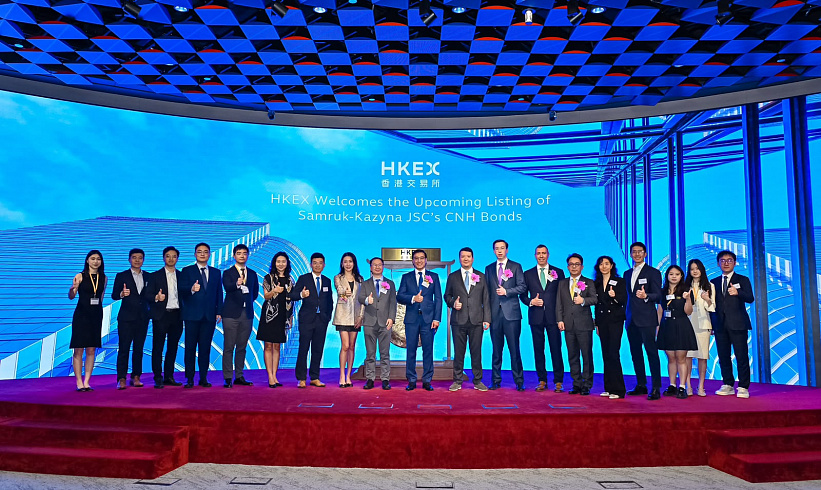
He also highlighted the Hong Kong Exchanges and Clearing's (0388) Offshore RMB Bond Index, which will serve as a benchmark for market trends amid the growing dim sum bond market.
The index includes more than 300 offshore yuan bonds listed in Hong Kong, marking the first bond index introduced by the HKEX, he noted.
With the index, fund companies can launch more passive investment products such as exchange-traded funds and index funds, while international investors will also have a clear reference for allocating yuan assets, he added.
HK targets high value-added maritime services
Meanwhile, Chan pointed out that the government will announce a new batch of partner ports and sign several shipping-related memorandums of understanding as Hong Kong Maritime Week kicked off on Sunday.
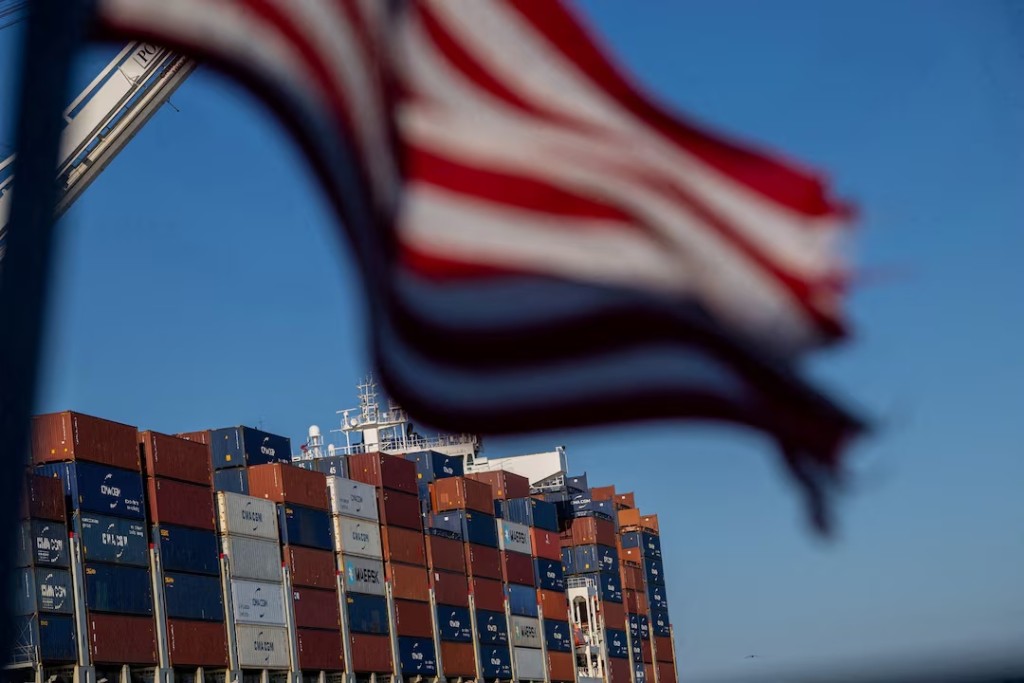
As an international shipping centre, Hong Kong focuses not only on container throughput, but also on the high value-added segments of maritime services – from financing, insurance, ship management, bunkering to mediation and arbitration, he said.
He also mentioned that the green transition and artificial intelligence are reshaping the maritime industry. Orders for alternative-fuelled ships surged nearly 60 percent year-on-year in the first ten months, but only about 25 ports worldwide can offer methanol bunkering – a clear sign that the infrastructure still lags far behind demand, he added.