Read More









Google turns off AI for schoolchildren by default
05-11-2026 13:03 HKT


ASMPT retains SMT solutions segment amid growing AI infrastructure demand
05-11-2026 10:49 HKT


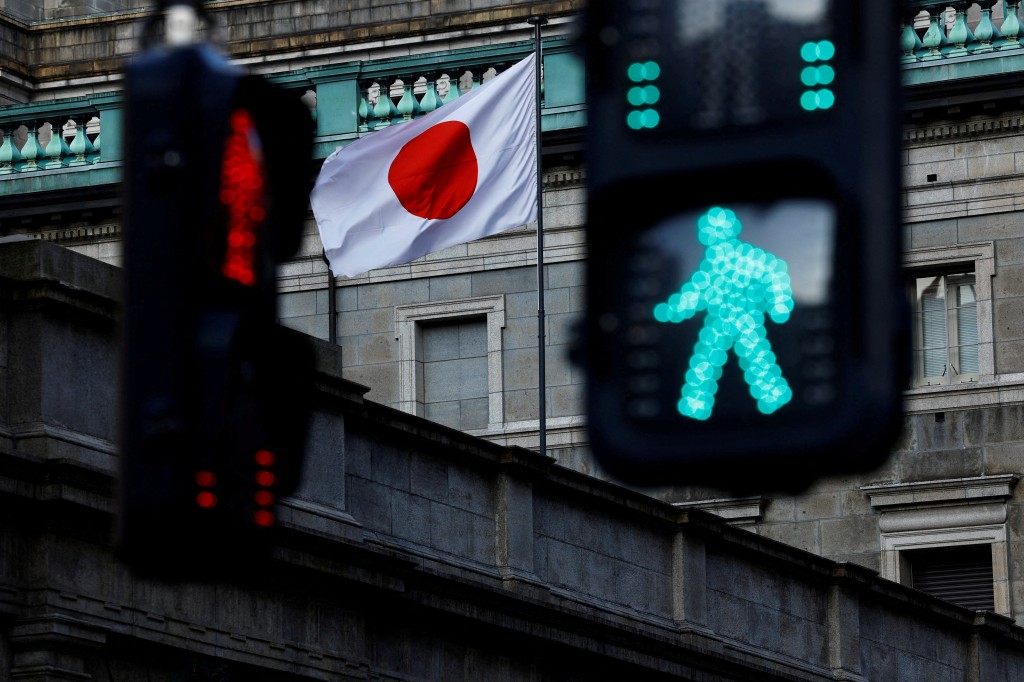
Japanese Prime Minister Sanae Takaichi unveiled a plan on Friday to tap proceeds from the central bank's sales of exchange-traded funds (ETF) to finance her flagship investment projects, as a deepening AI-fuelled market rout threatens to dent tax revenue.
The government is keeping a close watch on the selloff, she said, with analysts warning sustained market weakness could weigh on the economy and disrupt the Bank of Japan's gradual tightening plans.
"I am aware share prices, particularly those of AI and chip sectors, are falling sharply," which requires vigilance as it would affect countries across the globe, Takaichi said.
"Our focus, however, would be to create a strong economy," by boosting investment in sectors where Japan holds a competitive edge, the prime minister told parliament.
Japan's Nikkei average fell more than 5 percent on Friday as fears of a pullback in AI spending after the Democrats' midterm-election sweep triggered a broad market rout.
The slump heightens challenges for an administration keen to boost spending without triggering a bond selloff by increasing debt issuance.
A government official, who spoke on condition of anonymity due to the sensitivity of the matter, said tax revenue could fall from initial expectations if stocks continued to slide.
The administration is also looking for non-tax revenue as it seeks to bankroll an ambitious spending push.
Takaichi said the government, for one, will use proceeds from the BOJ's increased sales of its ETF holdings to fund spending on areas critical to the country's economic security.
"Additional proceeds from the (ETF) sales are fruits of Japan's economic growth, so it's appropriate to reinvest them for spending on crisis management and growth areas," she said.
The proceeds will be set aside for redemption of bonds that will be issued to fund public spending on areas critical to Japan's economic security, Takaichi added.
The BOJ decided on October 30 to increase annual sales of its ETF holdings to 860 billion yen (US$5.5 billion) from 330 billion yen. A portion of net profit the central bank reaps each year, including from the ETF sales, is paid to state coffers.
The central bank has said it will unload its ETF holdings in a way that causes minimum disruption to markets, and independently of fiscal or political considerations.
Some analysts warn that if the latest market rout persists, it could complicate the BOJ's plans to steadily lift its policy rate from 1.25 percent, a level that remains low by international standards.
The BOJ kept interest rates steady last month but stressed its resolve to focus on inflation risks, reinforcing market bets on a rate hike as soon as December.
It has also described financial conditions as loose due in part to a weak yen and rising stock prices, which lift manufacturers' profits and incentivise them to boost investment.
"Unless the yen spikes in a way that eases inflationary pressure, the BOJ will probably stay its course and keep raising rates," said Naomi Muguruma, chief bond strategist at Mitsubishi UFJ Morgan Stanley Securities.
"But the market rout may give the BOJ an excuse to take a wait-and-see stance for longer than expected. It will certainly make its communication leading up to December difficult."
BOJ Governor Kazuo Ueda will speak at an IMF seminar in Washington on Friday, and at an event in central Japan on November 30. Several board members will also deliver speeches ahead of the BOJ's next policy meeting on December 17 and 18.
Reuters