


Read More
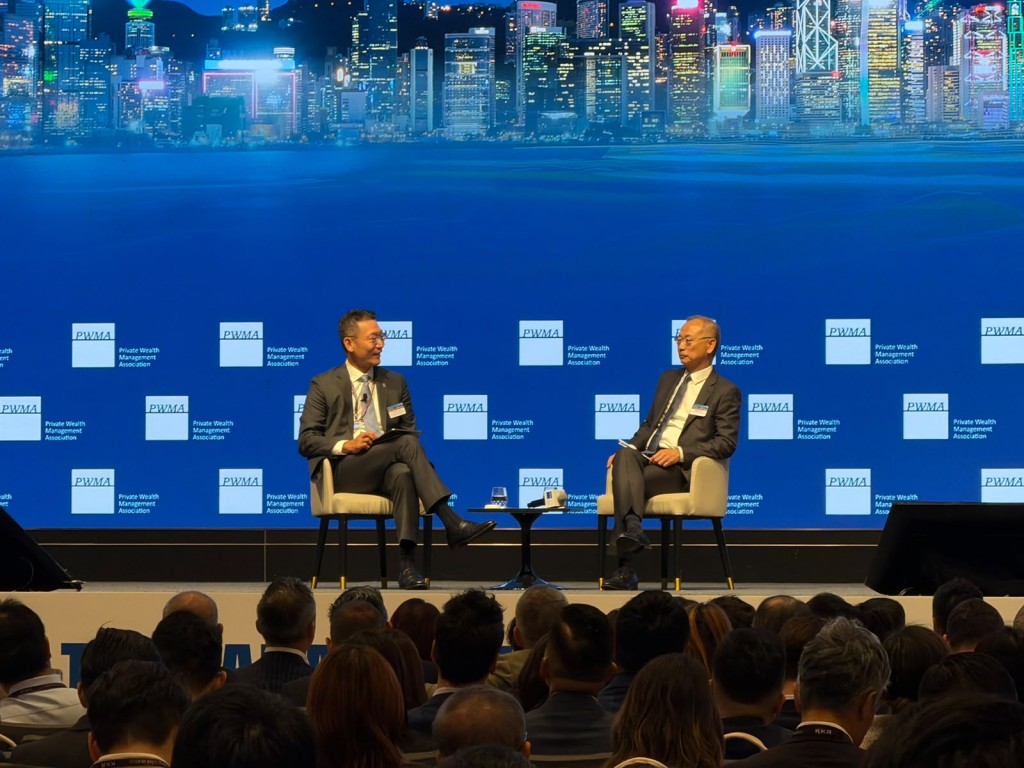

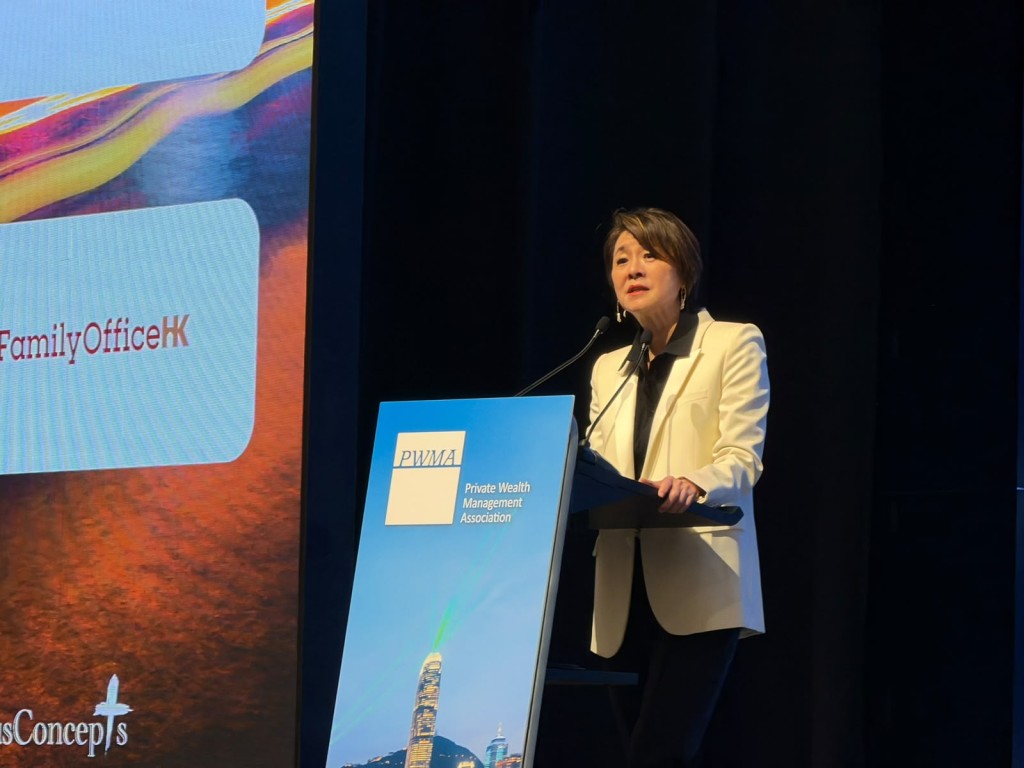



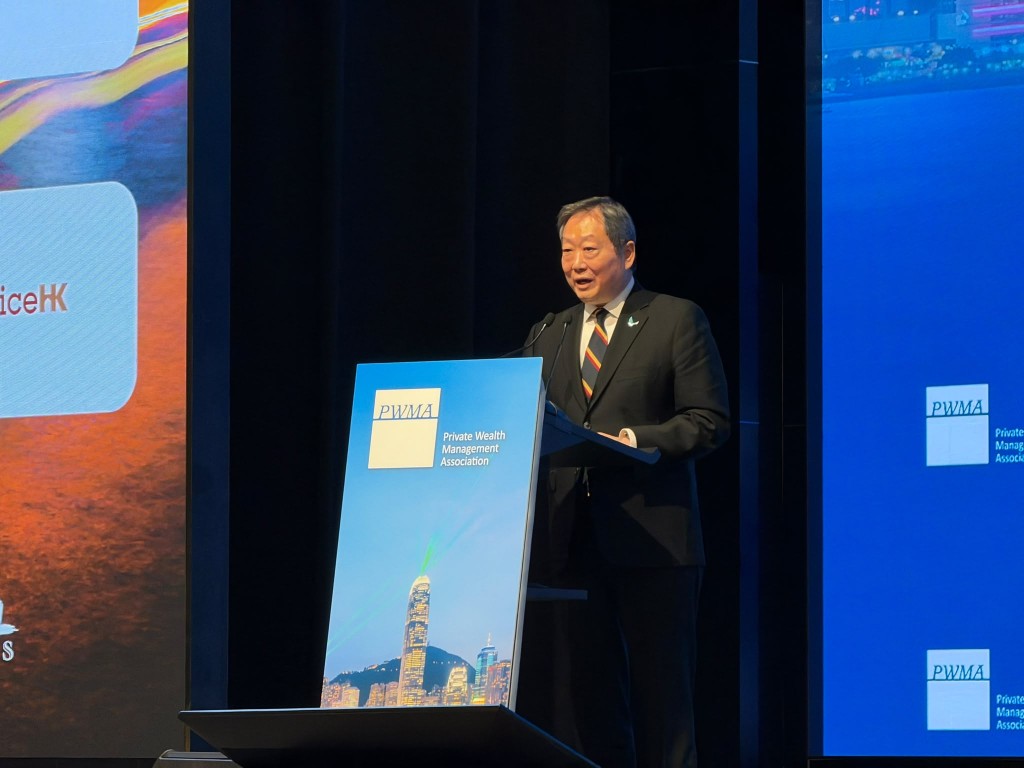
The rapid adoption of artificial intelligence in wealth management is not just a technological shift but a major compliance and accountability challenge, as machines cannot take responsibility for their consequences, Securities and Futures Commission chairman Kelvin Wong Tin-yau told the Private Wealth Management Association Wealth Management Summit on Thursday.
"There is one thing it cannot do. It cannot take responsibility for the consequences. That remains human."
And this distinction between prediction and judgment, between answers and responsibility, is becoming increasingly important not only for wealth managers, but also for us as regulators, he added.
The regulatory focus on accountability comes as nearly all respondents in the SFC’s newly released Large Firm AI Readiness Survey indicated they expect their use of AI to accelerate over the coming year. Surveyed firms identified accountability, meaningful human oversight, and external dependencies as the primary challenges that must be managed.
Wong noted that earlier this year, a small US fintech firm's announcement of an AI-powered tax-planning feature wiped more than US$140 billion (HK$1.09 trillion) off the market value of several listed wealth managers.
Wong argued that AI cannot change the economics of trust, which will ultimately determine which firms become more valuable rather than merely more efficient.
Turning to Hong Kong's positioning as the world's largest cross-border wealth hub with US$2.9 trillion in assets under management, Wong cited projections indicating that the city's cross-border wealth is expected to grow at around 9 percent annually through 2030.