Read More
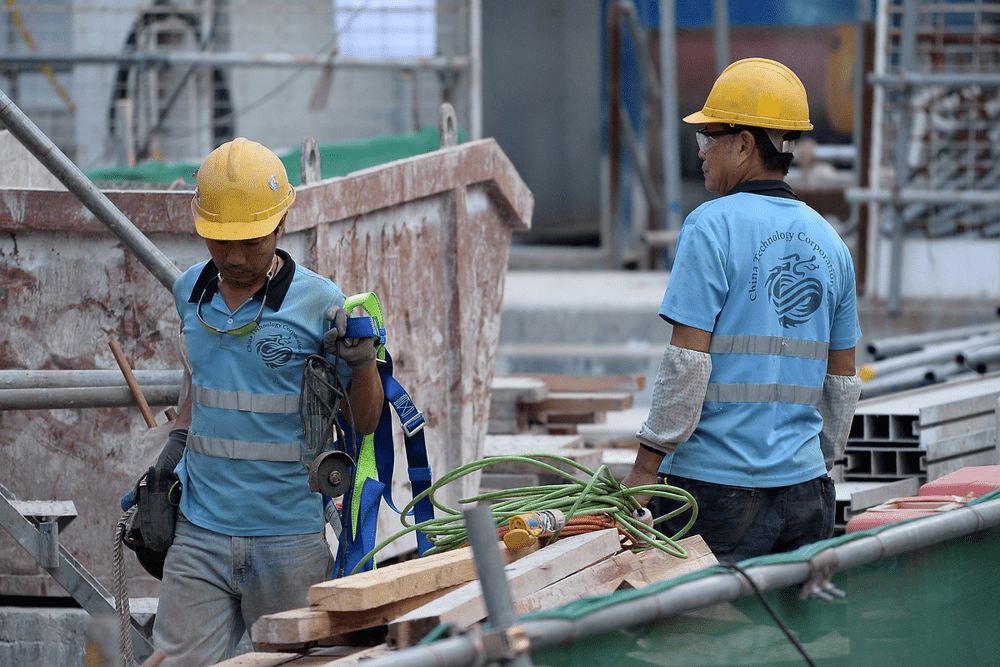
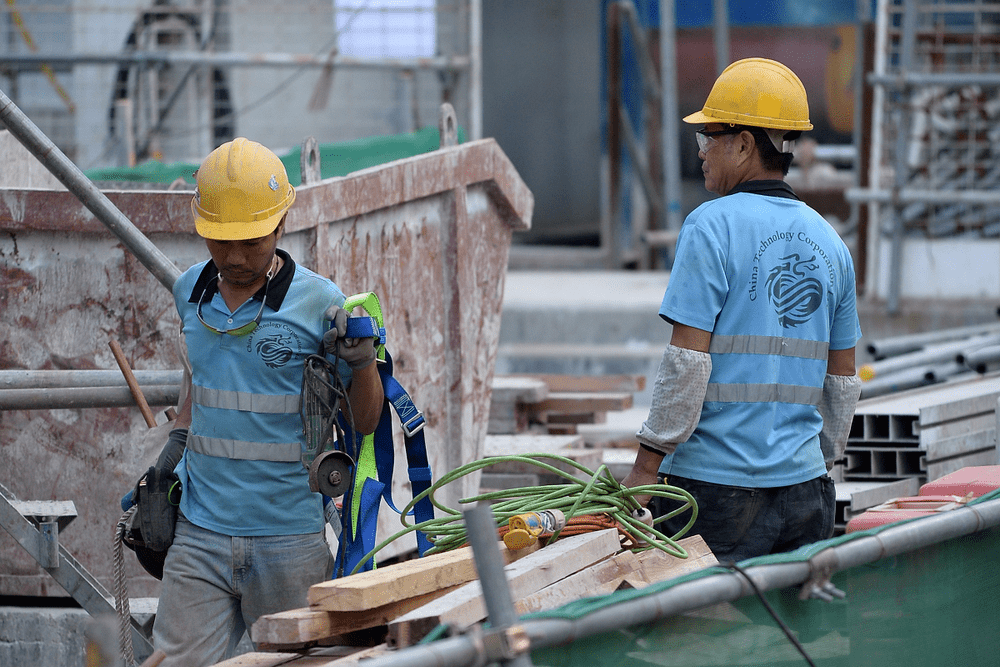
Labour and Welfare Secretary Chris Sun Yuk-han's revelation of a plan to bring in non-local workers - chiefly from the mainland - for the construction and transport industries was more than a trial balloon.
ADVERTISEMENT
SCROLL TO CONTINUE WITH CONTENT
His comments in the Legislative Council constituted an act to manage public expectation ahead of a formal announcement expected in the near future.
Perhaps merely by coincidence, some lawmakers - including Liberal Party chairman Peter Shiu Ka-fa - were smart to ask about Hong Kong's labor shortage, giving Sun a natural opportunity to make the disclosure.
Although Sun did not reveal too much in Legco on Wednesday, the message was loud and clear. Unionists and the public immediately know it is inevitable.
After opening the gateway for care homes to hire low-skilled carers, mainly from the mainland, the government is going to take a step further to copy the scheme for the local construction and transport sectors, where acute manpower shortages are predicted.
Although Sun stopped short of giving a number, the import labor scheme for carers will be mirrored - and a key feature is that the Labour Advisory Board has no role in vetting and approving applications to bring in workers.
This will provide a further example demonstrating the executive-led role of the SAR.
Trade unionists may dispute the scheme, but they cannot deny the facts that Hong Kong's labor market is stretched as the SAR tries to expand economically after the Covid pandemic.
With the unemployment rate standing at 3.3 percent, employers are finding it difficult to hire the people they need despite a willingness to offer higher wages for the right candidates.
The solution is either to contract out some works outside of Hong Kong or to secure outside reinforcement to meet a shortfall arising from the local economic expansion.
It is anticipated that demand for construction and transport workers could reach a new high as mega capital projects, including the Lantau Tomorrow Vision and the Northern Metropolis, come onstream.
These projects will involve a lot of onsite activities involving a large number of workers.
As matters stand, the SAR has already been contracting out some labor-intensive procedures to the mainland, including pre-fabrication of building components that are transported to Hong Kong for assembling.
This can narrow the labor gap, but does not solve it - unless local economic activities are allowed to stagnate or contract.
It would be inevitable for the city to look to the mainland for most labor supplies - a trend that may last longer than desired if the local population continues to shrink due to more people leaving than coming here.
That said, government officials are obliged to institute checks and balances.
While labor imports can meet the need by rendering the numbers, they can also lead to adverse social impact - for example, these workers not only compete for jobs with locals but also housing.
When Sun eventually announces the details of an expanded scheme, he should include checks and balances in the package.