
Read More
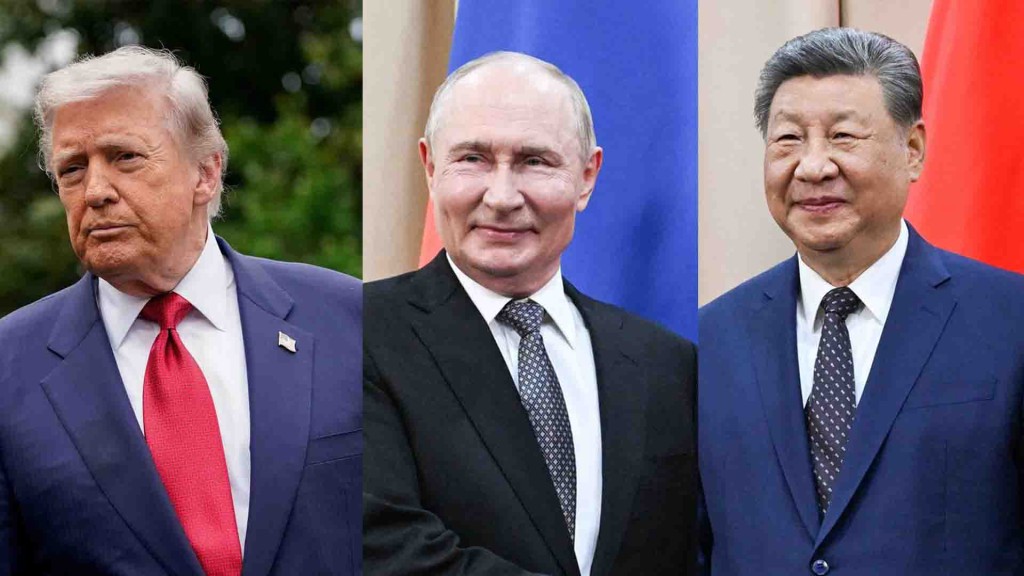
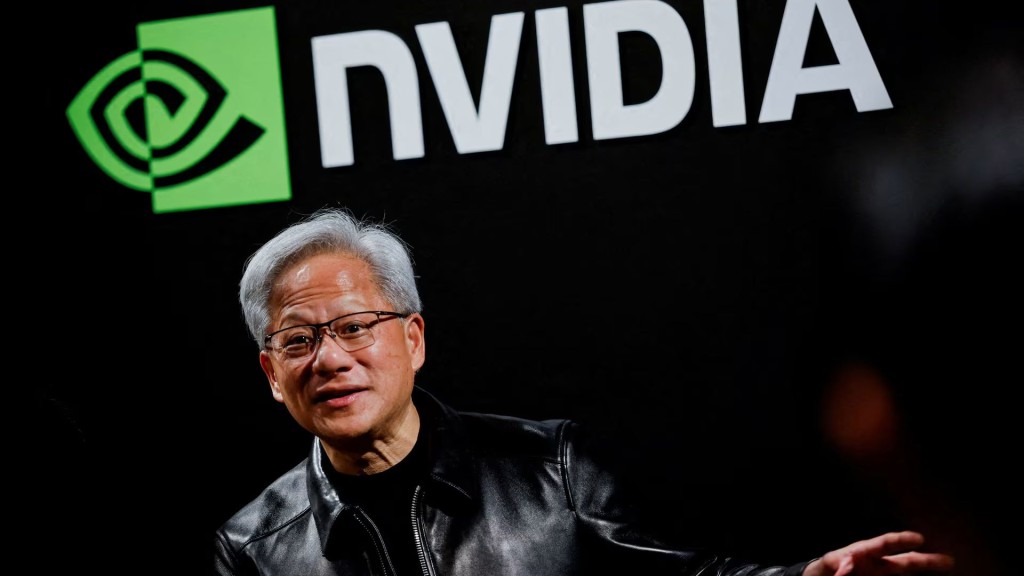
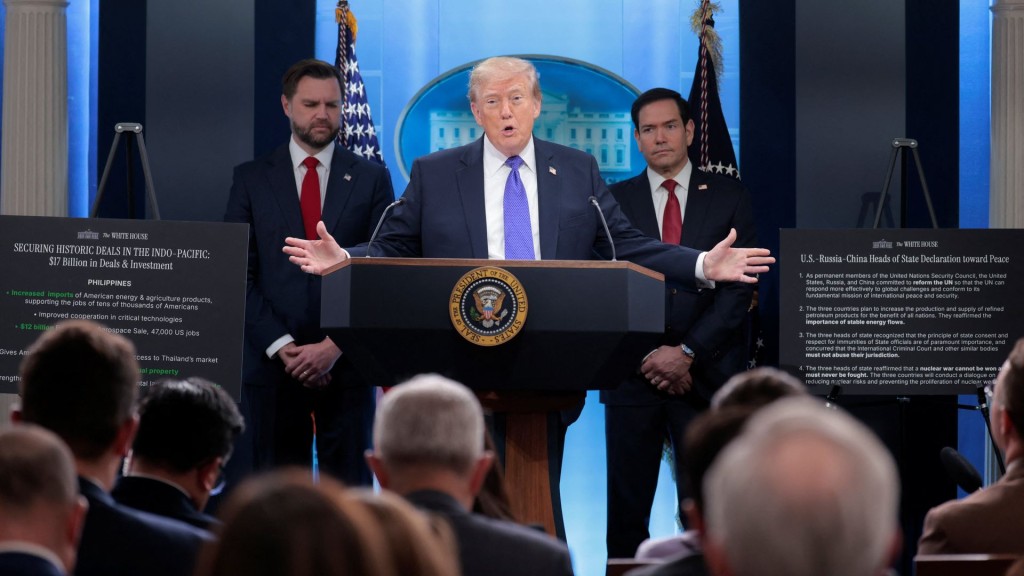
Jensen Huang’s abrupt reinstatement as Nvidia chief executive on Monday – just 11 days after resigning amid affair and espionage allegations – has exposed a widening fissure in Washington. Following President Donald Trump’s direct intervention with Nvidia’s board, commercialists led by Trump, billionaire Elon Musk, and Wall Street figures like Bill Ackman celebrated the reversal. They are focused on sustaining a US economy disproportionately propped up by the AI boom: AI investment added 1.27 percentage points to US GDP growth in the first three quarters of 2026, top US hyperscalers are pouring over US$800billion (HK$6.24 trillion) into AI infrastructure, and the 10 largest AI stocks drove roughly half of this year’s S&P 500 gains.
ADVERTISEMENT
SCROLL TO CONTINUE WITH CONTENT
A lame-duck collision course
National security hawks were blindsided and incensed by the stunning about-face. Secretary of State Marco Rubio had warned of counterintelligence risks in a classified May memo. Although Treasury Secretary Scott Bessent – who earlier faulted Commerce Secretary Howard Lutnick over export-control delays – noticeably softened his stance on Sunday to back the White House, lawmakers across party lines erupted. Senate Democratic Leader Chuck Schumer vowed to wield “full power” to investigate the administration, Huang, and Nvidia executives, targeting anyone “selling out our national security for financial gain.” Republican Senator John Cornyn demanded on X: “No national security risk? Based on what?”
This schism arrives as Trump faces lame-duck status after November’s Democratic “Blue Wave,” which handed Democrats at least 258 House seats – their largest sweep since 1992 – and a 56-seat Senate majority. When the new Congress convenes on January 3, Trump’s power will be sharply curtailed: Democrats will control legislation, federal spending, confirmations, and subpoena authority. Trump retains potent unilateral levers – including tariffs, executive orders, vetoes, and personal diplomacy – but the Nvidia reversal guarantees fierce executive-legislative warfare. With Huang set to face congressional hearings next week and reports that Trump failed to act on earlier intelligence warnings about him, Democrats could launch sweeping probes into the administration and its business allies, even reviving talk of a third impeachment bid.
China, Miami, tighter Silicon Curtain
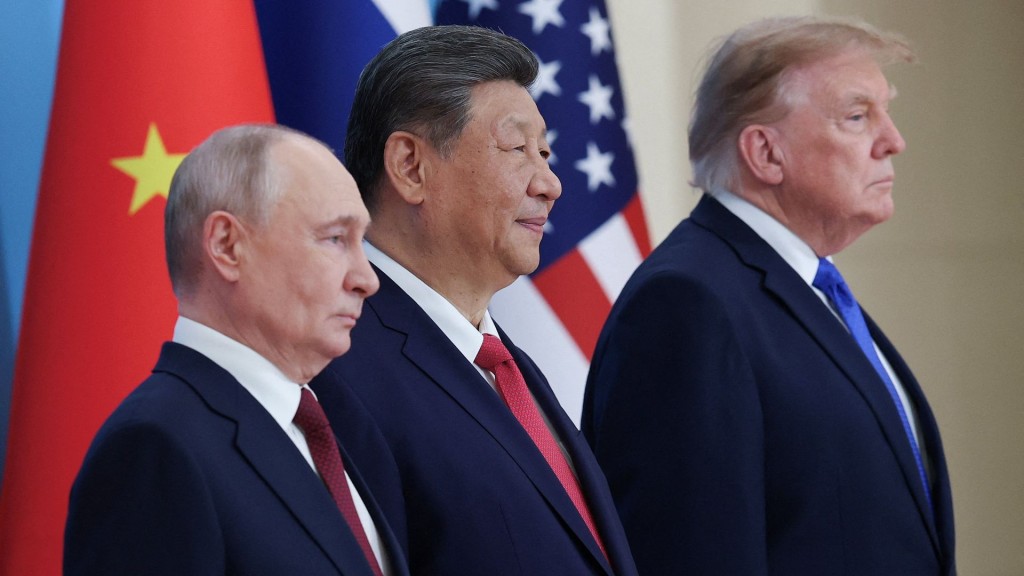
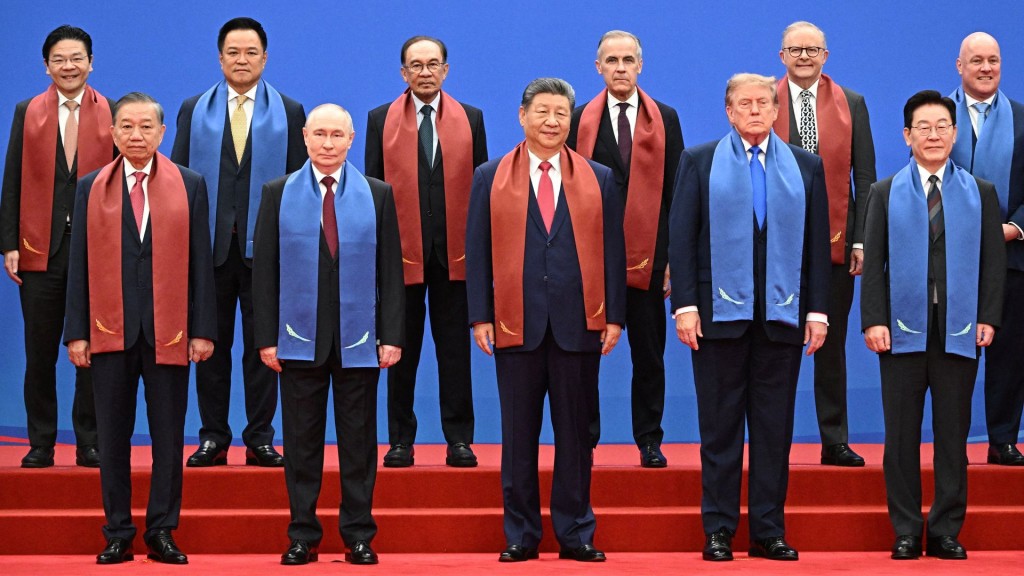
For Beijing, the signals are sobering ahead of Chinese President Xi Jinping’s expected trip to the December 14-15 G20 summit at Trump National Doral in Miami. While China’s lavish red-carpet reception for Trump in Shenzhen may yield concessions on the tariff truce expiring January 10, any rollback of Washington’s chip blockade looks virtually impossible. Even as Trump traded handshakes with Xi, US officials restricted overseas remote-compute access – before blacklisting Singapore-based Megaspeed on Monday. Meanwhile, Congress is set to take up the defense bill in December – carrying the Chip Security Act, AI Overwatch Act, and Match Act – which would curb Commerce discretion and fortify the Silicon Curtain. Still, Beijing may calculate that intensifying political warfare in Washington will sap US strategic focus and unnerve allies – even if bipartisan hostility ensures tech curbs keep tightening.
For global markets and geopolitical observers alike, the past week delivers a stark warning. The accelerating shift in global power on display in Shenzhen, colliding with Washington’s internal split between pro-business advocates and security hawks, is ushering in a far more turbulent era. Wall Street already mirrors that whiplash: after losing a quarter of its value following Huang’s exit earlier this month, Nvidia surged 31 percent on Monday, adding a record US$952 billion in single-day market value. Even though neither party wants to pop the AI bubble, the collision between White House market-propping and Capitol Hill security probes ensures that volatility itself will be the defining currency heading into 2027.