
Read More
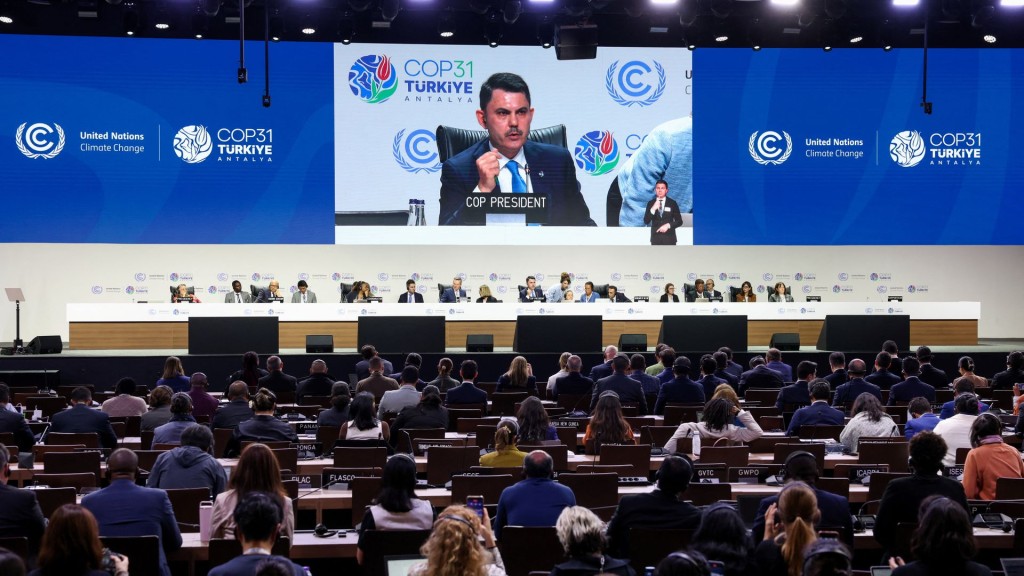
The collapse of UN COP31 in Antalya after a record 44 hours of overtime – ending without a final joint declaration, the “Antalya Pact,” for the first time since 2000 – exposes the harsh limits of climate diplomacy. Talks broke down after major oil producers, led by Saudi Arabia and Russia, pushed to strip explicit mentions of coal, oil, and gas – citing non-negotiable national interests – in favor of carbon capture. Refusing a pact silent on fossil fuels, the European Union, Britain, and vulnerable island states rejected the draft.
ADVERTISEMENT
SCROLL TO CONTINUE WITH CONTENT
China’s green engine and AI power surge
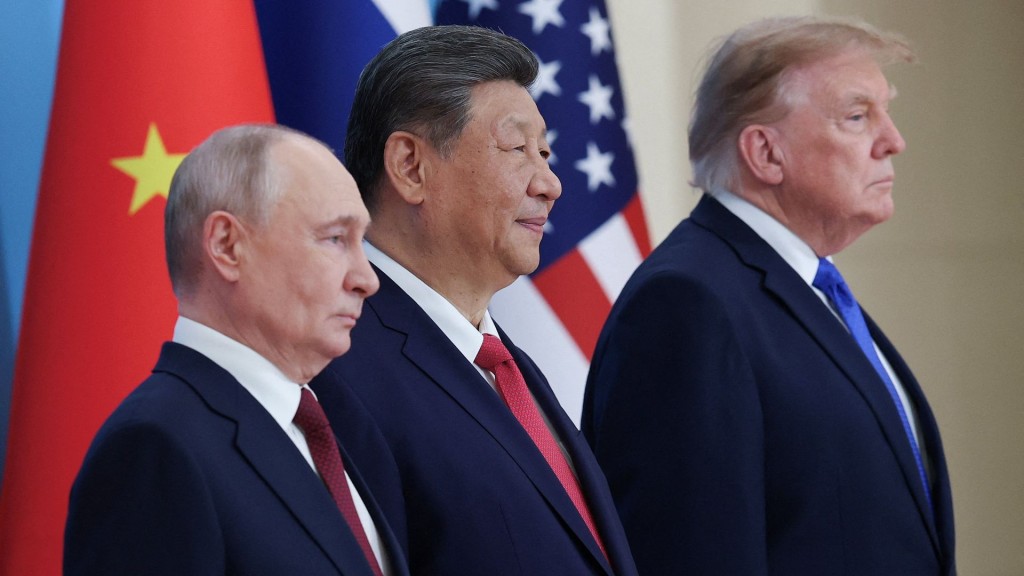
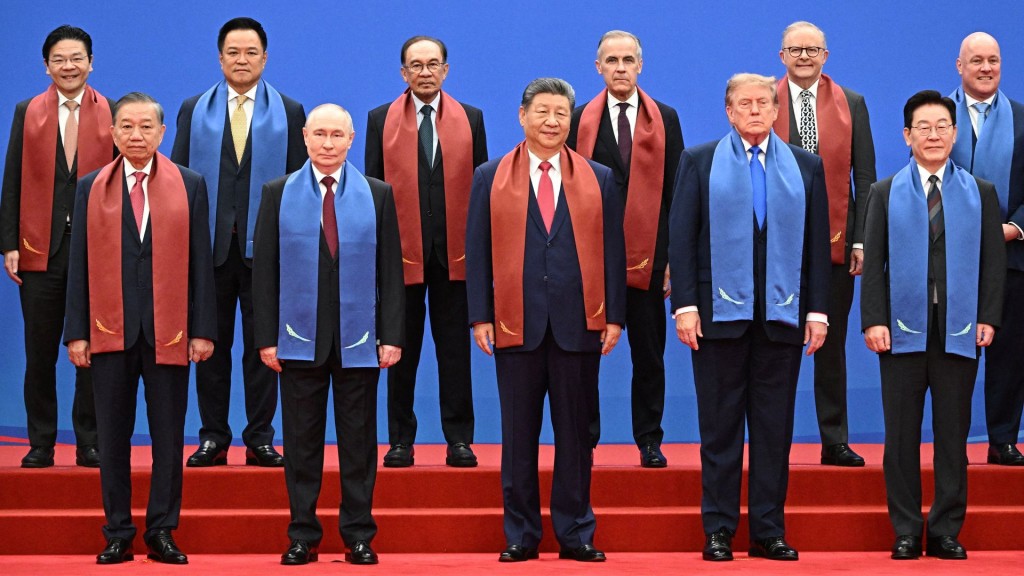
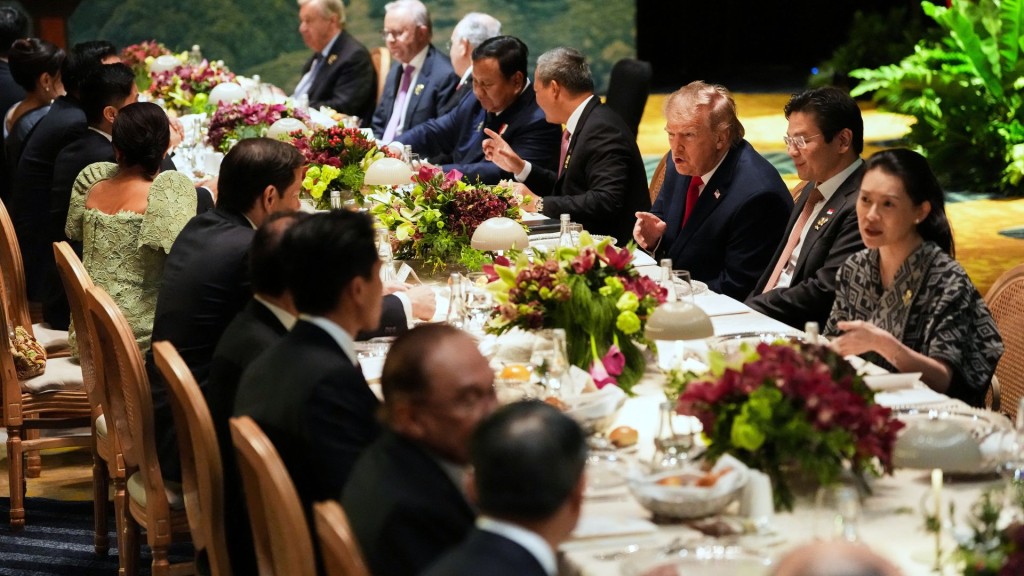
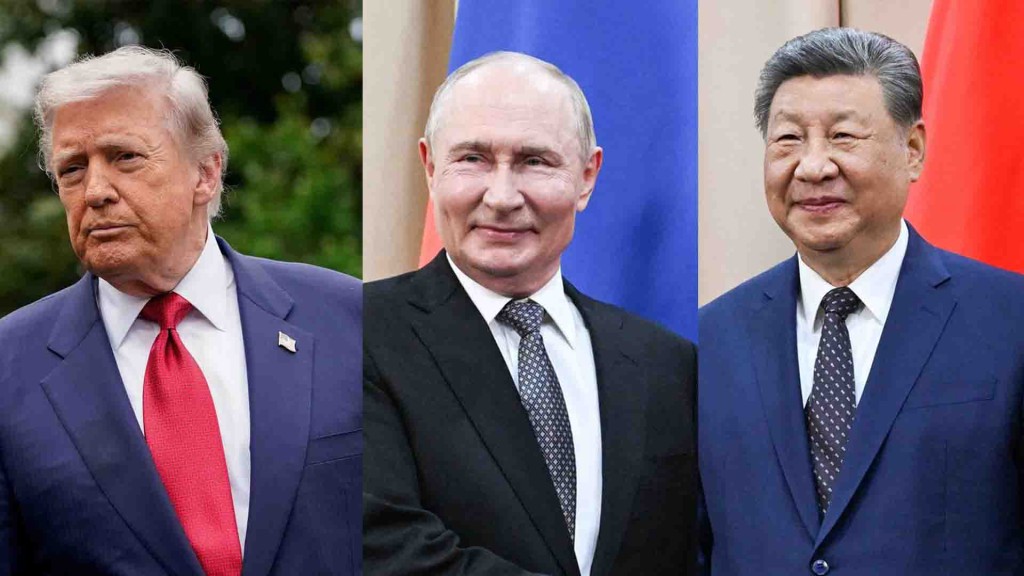
Washington’s absence deepened the paralysis. Unlike the Biden administration’s structured climate cooperation with Beijing – culminating in the 2023 Sunnylands Statement on methane and clean energy – President Donald Trump pulled the US out of the 2015 Paris Agreement, skipped UN climate talks for a second straight year, and championed aggressive fossil-fuel expansion. US and Russian fossil-fuel priorities were unmistakable at last week’s Shenzhen summit: alongside Xi Jinping, Vladimir Putin and Trump addressed nuclear risks and pledged higher petroleum supplies, leaving climate goals absent.
With October 2026 hitting 1.8°C above pre-industrial levels – pushing the Paris 1.5°C threshold to the brink amid deadly heatwaves, floods, and rising seas – the world cannot afford mere mutual recrimination. Diplomatic deadlock does not halt real-world action. As Antalya stalled, 90 governments backed the “35-by-35” Global Electrification Pledge to lift electricity’s share of global final energy use from 23 to 35 percent by 2035. China and Australia also signed a joint statement endorsing the “35:35” target, signaling pragmatic momentum beyond the impasse.
China remains the decisive engine of this shift. Already nearing 30 percent electrification, Beijing targets 35 percent by 2030. In the first 10 months of 2026 alone, China produced 651 gigawatts of solar cells – poised to exceed the 660 GW installed globally in 2025 – while new energy vehicle exports jumped 130 percent year on year to 4.6 million units and October coal power generation dropped 8.9 percent.
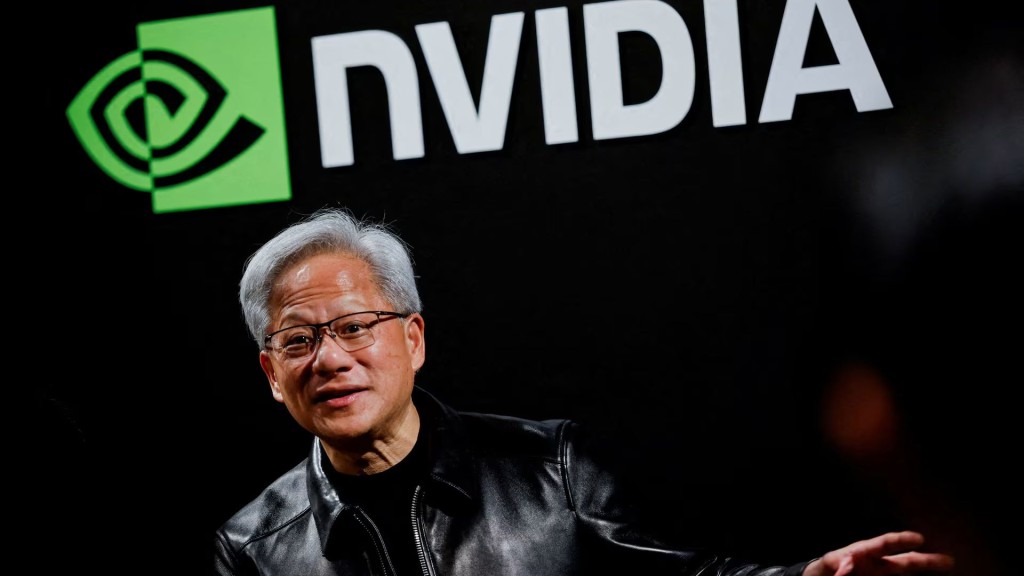
Clean electrification is doubly urgent as the AI boom creates a formidable new emissions risk. The International Energy Agency’s 2026 Key Questions on Energy and AI report puts 2025 global data-center electricity use at 485 terawatt-hours, projected to roughly double to 950 TWh by 2030 as AI-focused facilities surge more than threefold to 465 TWh. With over 100 GW of dedicated natural gas capacity planned worldwide to power these servers, decarbonizing grids is vital to stop AI from locking in decades of carbon output.
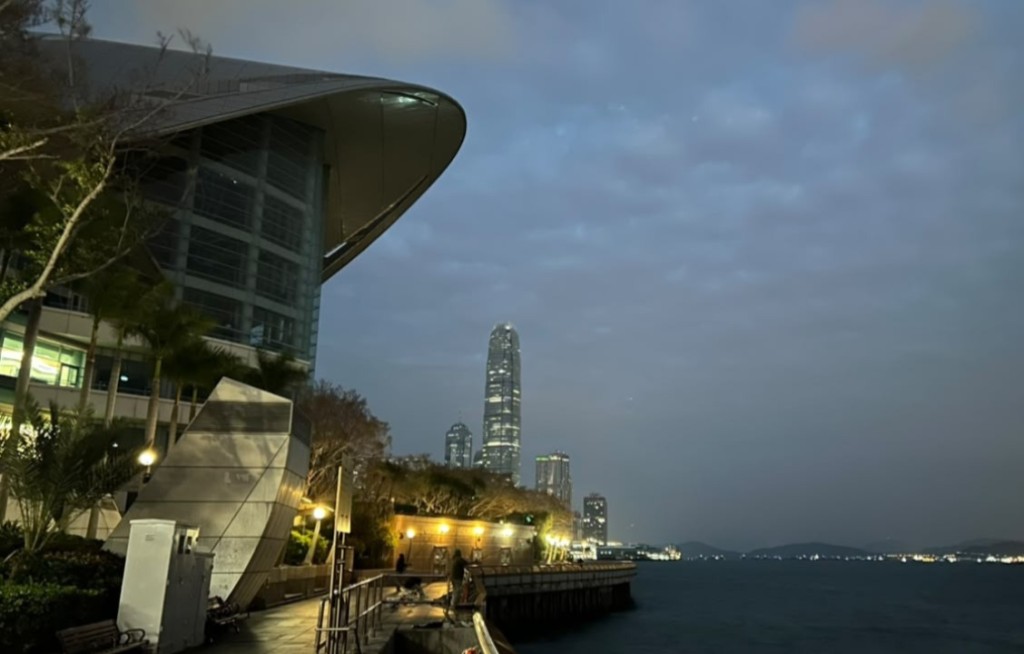
Hong Kong’s moment as green financier
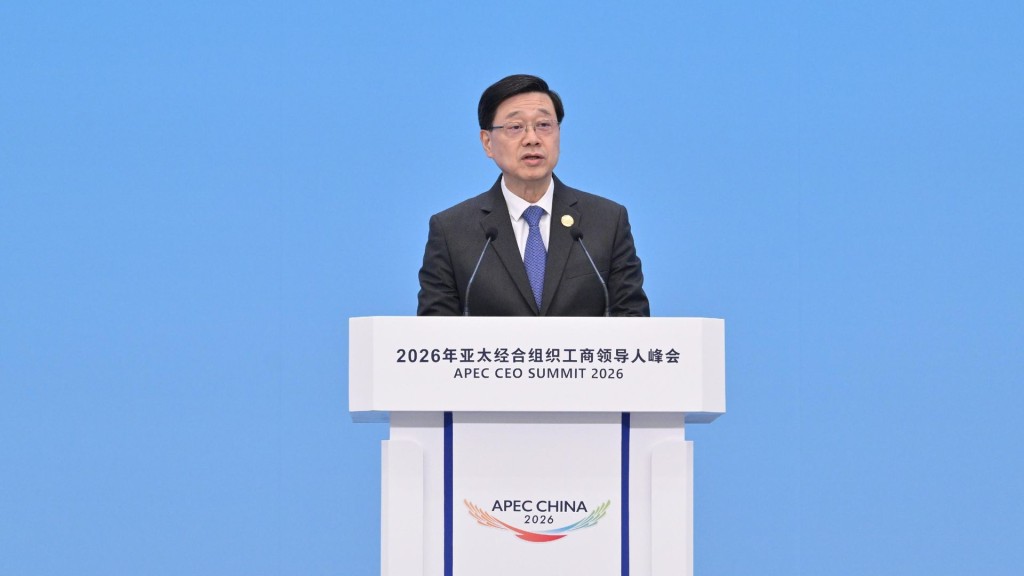
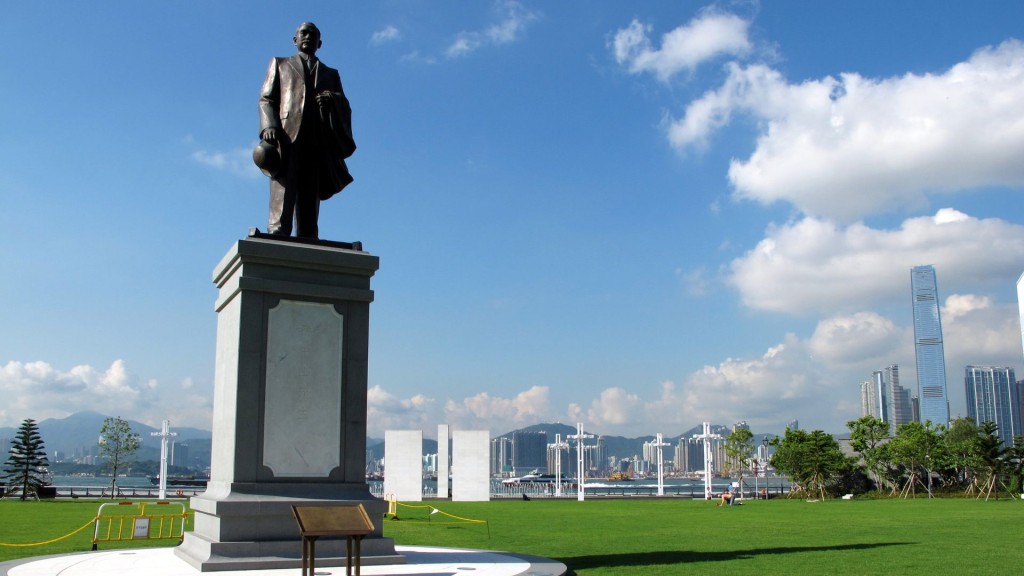
COP31 also fractured under an acute trust deficit between rich and poor nations. Unfulfilled funding promises – underscored by the removal of a US$120 billion (HK$936 billion) adaptation finance target from the Antalya draft – have left developing countries facing climate disasters and mounting debt without viable capital. Here, Hong Kong holds a vital strategic role. In 2025, green and sustainable debt issued in the city exceeded US$76 billion, including about US$38 billion in arranged bonds, ranking first in Asia for eight straight years.
Deploying its expanding sustainable-finance taxonomy, global disclosure standards, and tokenized green bonds – following a record US$1.3 billion digital issuance in late 2025 – Hong Kong can channel blended private and institutional capital into the Global South’s grids, storage, and climate-resilient infrastructure. With record heat and extreme weather already battering cities, harvests, and supply chains worldwide, delaying action threatens lives and livelihoods alike. Addressing climate change is not an option; it is an existential necessity. Even where multilateral summits falter, Hong Kong can lead the way in financing a cleaner, electrified global future.