Read More

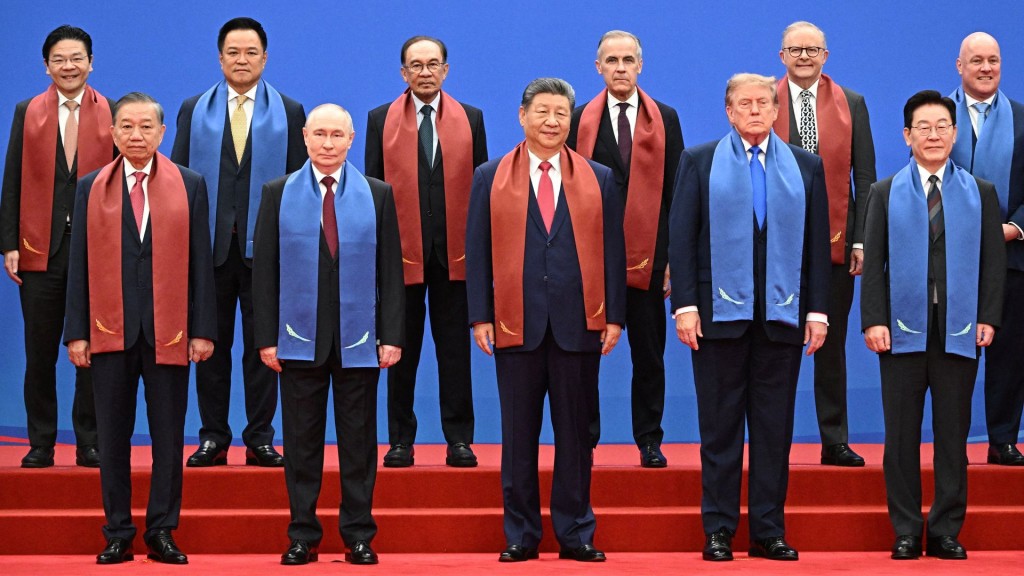
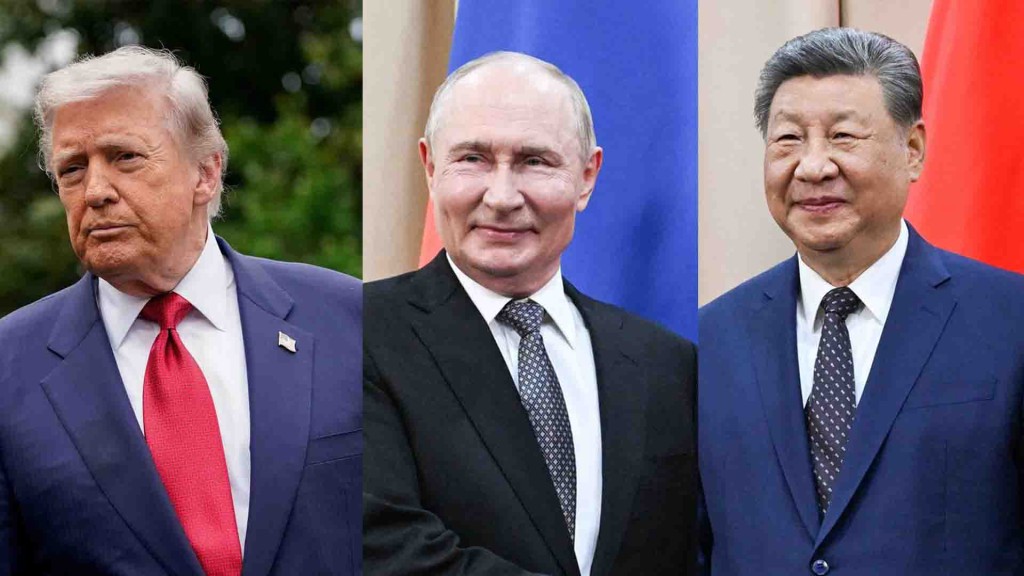


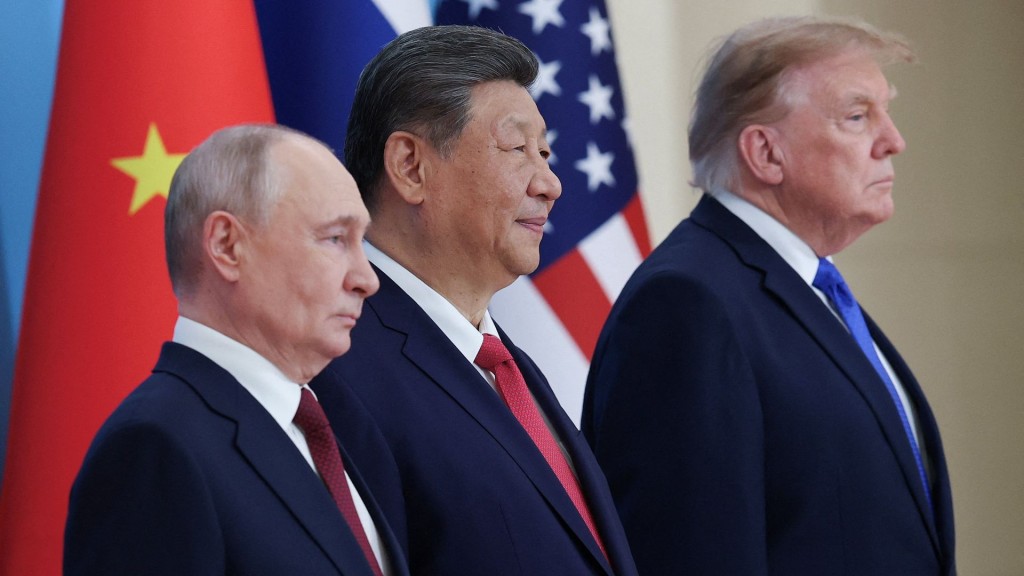
While US President Donald Trump’s handshakes with Chinese President Xi Jinping and Russian President Vladimir Putin at Shenzhen’s historic trilateral summit last week captured global attention, Washington was quietly fortifying its tech battlements.
On November 15, Secretary Marco Rubio’s State Department released the San Francisco Declaration. Signed by 10 core partners under Pax Silica, which has grown to 26 signatories since December 2025, the initiative aims to secure end-to-end AI supply chains and curb “coercive dependencies” on China.
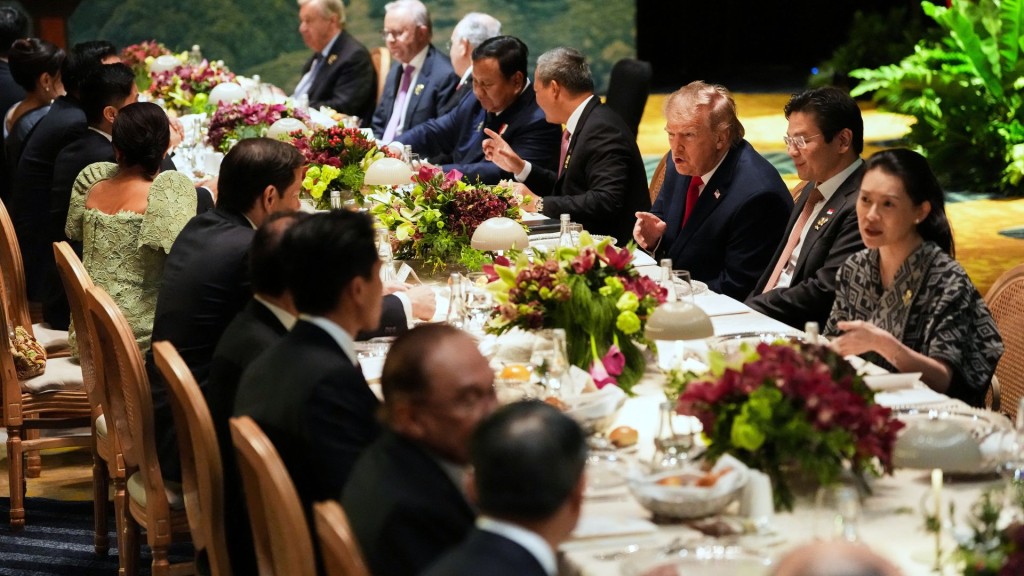
Crucially, several signatories also sat at Shenzhen’s APEC table: Japan supplies vital chipmaking equipment and materials, South Korea dominates advanced memory, Australia provides critical minerals, and Singapore anchors Southeast Asia’s computing network.
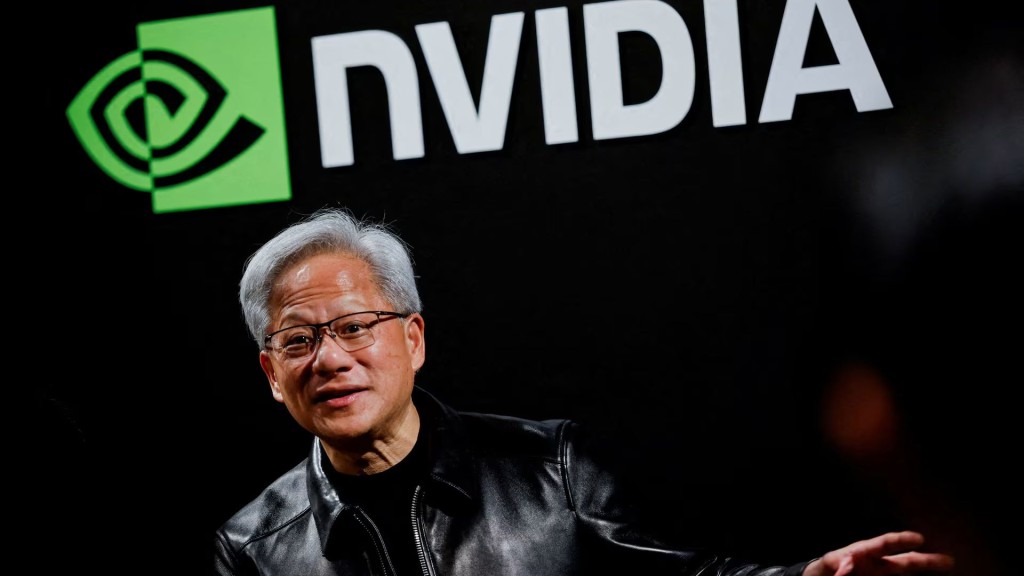
Beneath Shenzhen’s choreographed cordiality, US export curbs are tightening, driven by China hawks – warranting clear-eyed vigilance. Within a day, following the Nvidia scandal, the Commerce Department moved to close compute loopholes, restricting remote access to advanced AI chips and servers via overseas data centers.
Beijing has not stood idle. On July 16, China launched the Shanghai-based World Artificial Intelligence Cooperation Organization, or WAICO, with 29 founding members, quickly growing to 37 mostly Global South nations, including Russia, Brazil, Indonesia, Malaysia, and Vietnam.
Framed around “AI for All,” WAICO promotes inclusive governance so that Western tech giants cannot monopolize the AI revolution. Alongside Pax Silica, these rival blocs eerily echo NATO and the Warsaw Pact, threatening to drop a “Silicon Curtain” behind Shenzhen’s warm photo-ops.
Yielding only symbolic pledges on issues like nuclear restraint, Shenzhen was no Yalta. Yet the historical rhythm feels uncannily familiar: just as Washington and Moscow swiftly erected rival spheres after wartime handshakes while a decaying British Empire was hollowed out by an exhausting war in Europe, today’s superpowers appear to be hardening competing tech blocs. Still, crucial differences undercut any simple Cold War replay.
Soon after Trump boarded Air Force One, Australian Prime Minister Anthony Albanese and Singaporean counterpart Lawrence Wong met Chinese leaders. Days after signing the San Francisco Declaration, both cautiously kept AI channels with Beijing open – Canberra agreeing to a bilateral AI dialogue on safety and governance, and Wong highlighting practical AI cooperation in healthcare and manufacturing.
That diplomatic agility exposes the limits of Washington’s new bloc. Unlike NATO’s mutual-defense treaty, Pax Silica is a non-binding political declaration. Today’s interdependent tech ecosystem cannot easily replicate the sealed ideological camps of the late 20th century, nor does decoupling serve middle powers’ national interests. Singapore pursues interoperability across US and Chinese AI ecosystems, while states like Kazakhstan straddle both Pax Silica and WAICO.
More decisively, Pax Silica cannot quickly decouple from China’s commanding lead upstream. International Energy Agency data shows China is the dominant refiner for 19 of 20 strategic minerals, holding an average global share of roughly 70 percent – with top-refiner concentration outside rare earths rising to 72 percent in 2025. Without Beijing’s processing capacity for gallium, graphite, and rare earths, allied silicon supply chains remain acutely exposed.
Ultimately, the Shenzhen summit marked the unmistakable end of US unipolarity. Much like Cold War detente, it provided an indispensable channel for rival powers to manage existential risks – from nuclear deterrence to keeping humans in charge of military AI. Yet behind the handshakes, the race over frontier technologies has not cooled; it has entered a sharper, more relentless phase.