
Read More
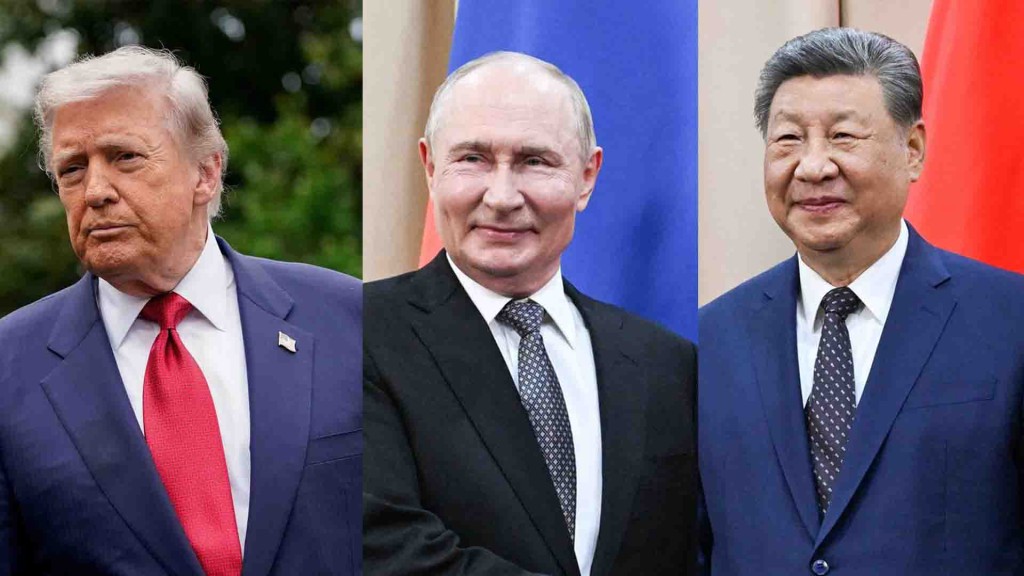
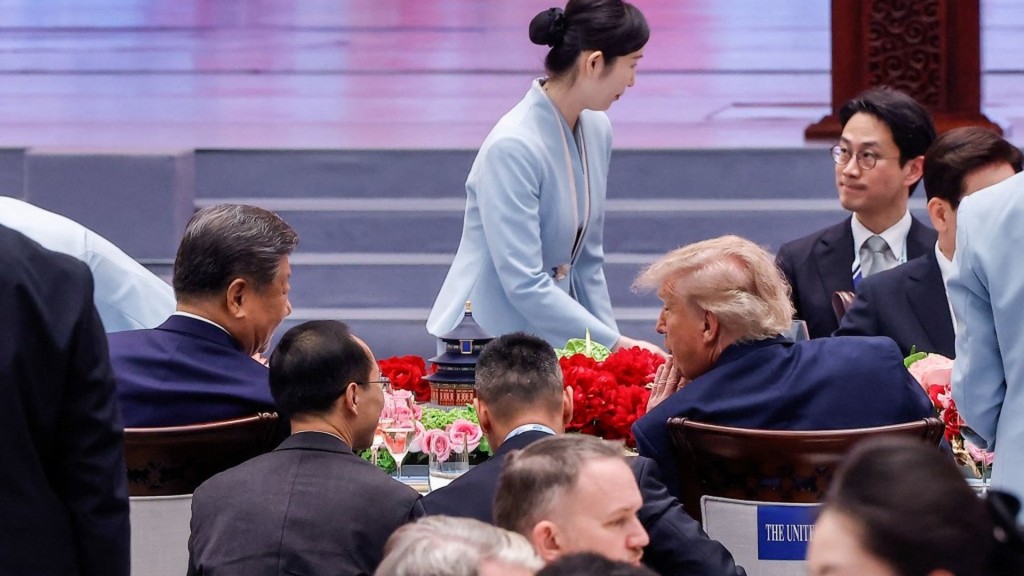
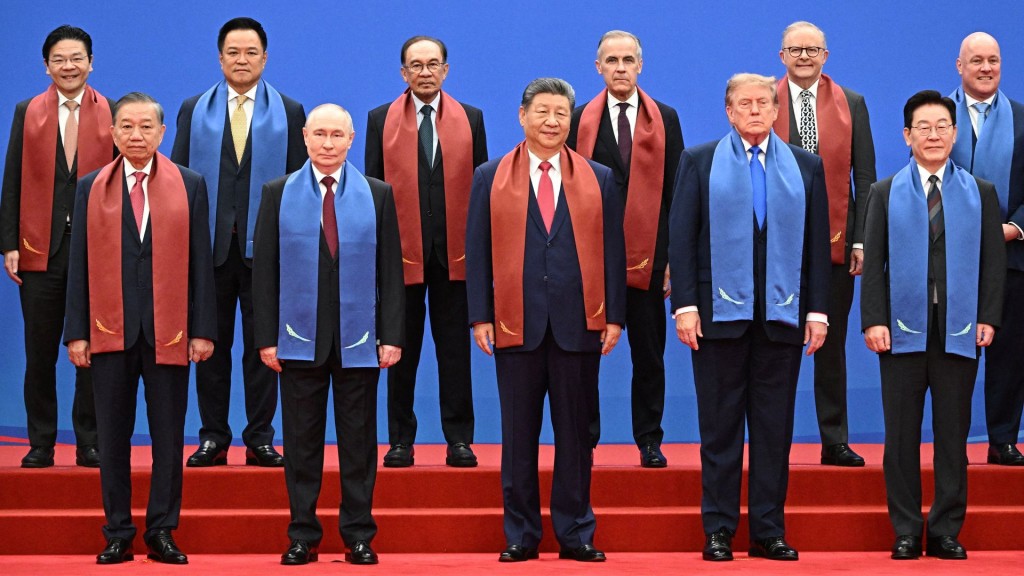
Almost all global observers had their eyes fixed on the historic trilateral meeting between the Chinese, Russian, and US leaders on the sidelines of the Shenzhen APEC summit yesterday, rushing to assess who emerged as the biggest winner.
ADVERTISEMENT
SCROLL TO CONTINUE WITH CONTENT
For US President Donald Trump, whose political capital has largely deflated following a historic loss in the recent midterms and renewed scrutiny over Washington’s ties with Beijing, his “lame duck” status looms large. Yet, accorded an unprecedented personal welcome by President Xi Jinping at Bao’an International Airport on Wednesday, Trump secured what he prizes most: a boost to his personal vanity. While Trump’s ego was thoroughly gratified, Washington’s China and Russia hawks are incensed. They will likely move to reverse his diplomatic posture over his remaining two years in office. Far from building consensus, the Shenzhen summit risks exacerbating political polarization in Washington, underscoring America’s deep domestic divide.
Beijing’s diplomatic high ground
For Russian President Vladimir Putin, the summit’s gains are unmistakable. Since Moscow’s full-scale invasion of Ukraine in February 2022, the West has sought to isolate Russia by referring his alleged war crimes to the International Criminal Court, whose arrest warrant forced him to skip major global summits. Separately, US-led sanctions have cut major Russian banks off from the SWIFT network, leaving Moscow heavily reliant on economic lifelines from China and India’s energy purchases.
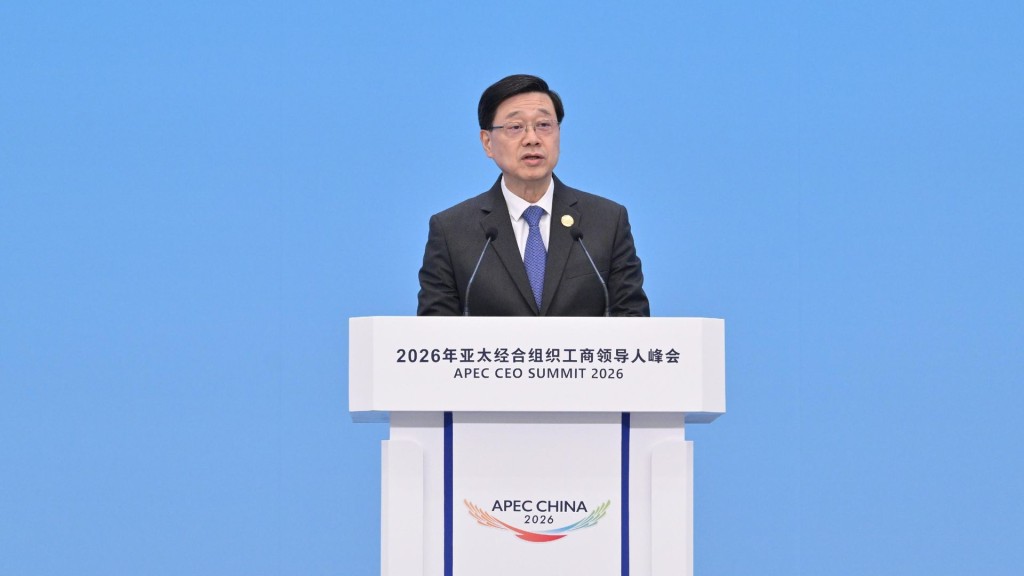
Now, standing alongside Xi and Trump, Putin has staged a high-profile comeback on the global stage. His palpable vindication surfaced in his Wednesday APEC CEO Summit speech, where he cited “failed attempts to isolate Russia” and declared the nation had “weathered all these challenges with dignity.”
Few expect an immediate resolution to the nearly five-year Ukraine conflict. With Ukrainian President Volodymyr Zelensky and European allies steadfastly refusing major concessions, lasting peace remains distant despite Trump’s mediation efforts. Still, observers remain cautiously hopeful the summit could help forge a foundational consensus to sustain peace talks.
For Xi, bringing the leaders of the world’s two largest nuclear powers to the same table to address issues bearing directly on humanity’s fate carries immense weight. Through this move, Beijing has claimed the diplomatic high ground as an indispensable power broker for global peace and stability – offering its sharpest rebuttal yet to the persistent Western “China threat” narrative.
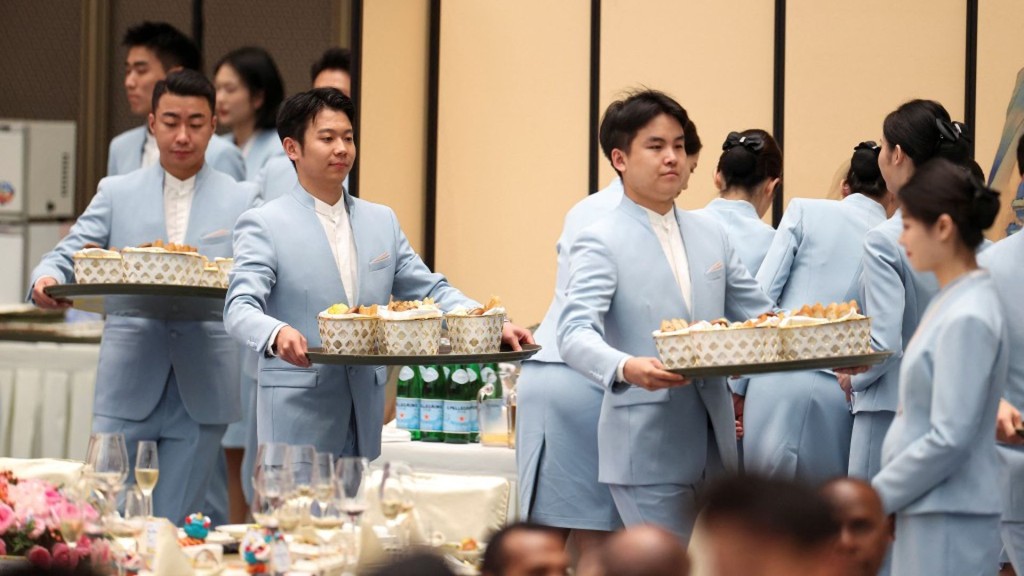
Meanwhile, hosting 21 Pacific Rim member economies has allowed Beijing to showcase both Shenzhen’s evolution from the world’s factory into a premier tech metropolis – driving the next industrial revolution in artificial intelligence, robotics, and green technology – and China’s enormous economic potential.
The Pacific Rim’s quiet dividend
Although pundits have argued the trilateral meeting was more symbolic spectacle than substantive breakthrough, this symbolism carries undeniable historical weight. By drawing top global leaders to Shenzhen, APEC has become the focal point of world politics – a watershed moment cementing the Asia-Pacific as the premier center of not just economic, but also geopolitical, gravity for years to come.
While Europe – far removed from its past glory as the world’s political, financial, diplomatic, and cultural epicenter – remains mired in social unrest and debt crises and increasingly sidelined in global affairs, the Asia-Pacific anchors the global economy, with APEC’s 21 member economies generating roughly 60 percent of global GDP and nearly half of world trade.
Challenges certainly persist: oil shocks from the Iran war have exposed acute energy vulnerabilities across Asia, while US chip curbs fuel geopolitical confrontation under the specter of a “Silicon Curtain.” Yet where risks intensify, opportunities follow. If Asia-Pacific economies tread carefully through these turbulent waters, their economic and geopolitical dividends will only compound. Coming out of the Shenzhen summit, despite playing the role of a mere bystander, the Asia-Pacific has quietly become the gathering’s most understated winner.