Read More

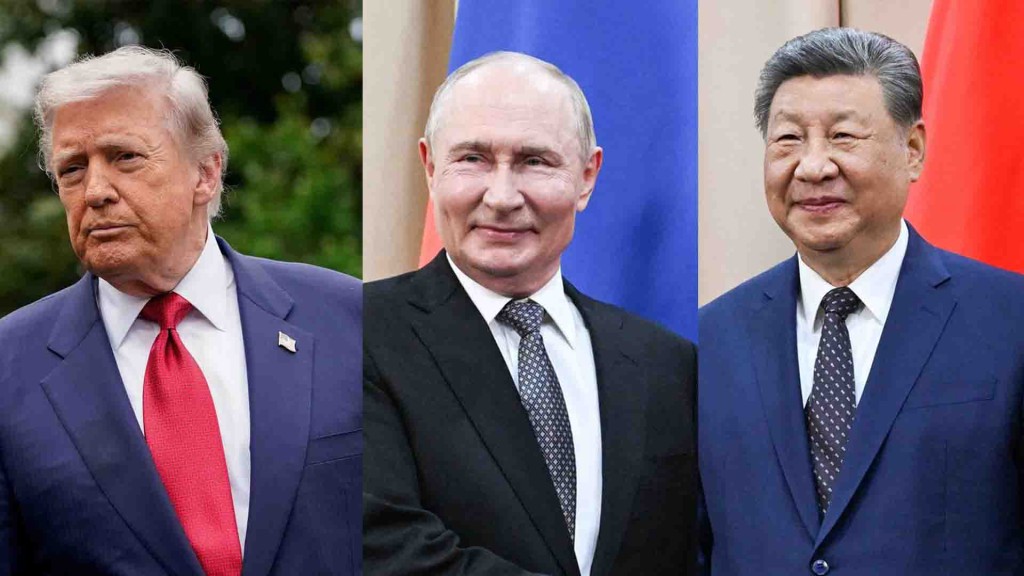









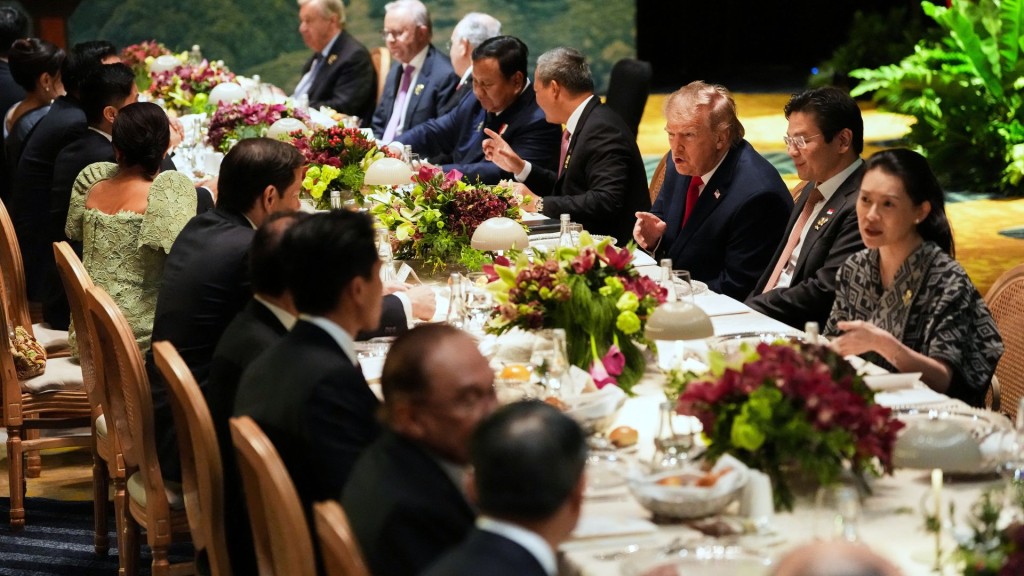
At the opening ceremony of the recent Manila summit, Philippine President Ferdinand Marcos Jr sat conspicuously alongside two special guests: Canadian Prime Minister Mark Carney and Brazilian President Luiz Inacio Lula da Silva.
This diplomatic choreography was no accident. In his opening remarks, Marcos articulated the deepening anxiety of Southeast Asian nations caught in the Sino-US geopolitical rivalry, emphasizing the urgent need to diversify partnerships. By prominently aligning with middle powers like Canada and Brazil – both navigating their own complex trade frictions with Washington – Asean is actively signaling its refusal to be reduced to mere pawns in an escalating superpower rivalry.
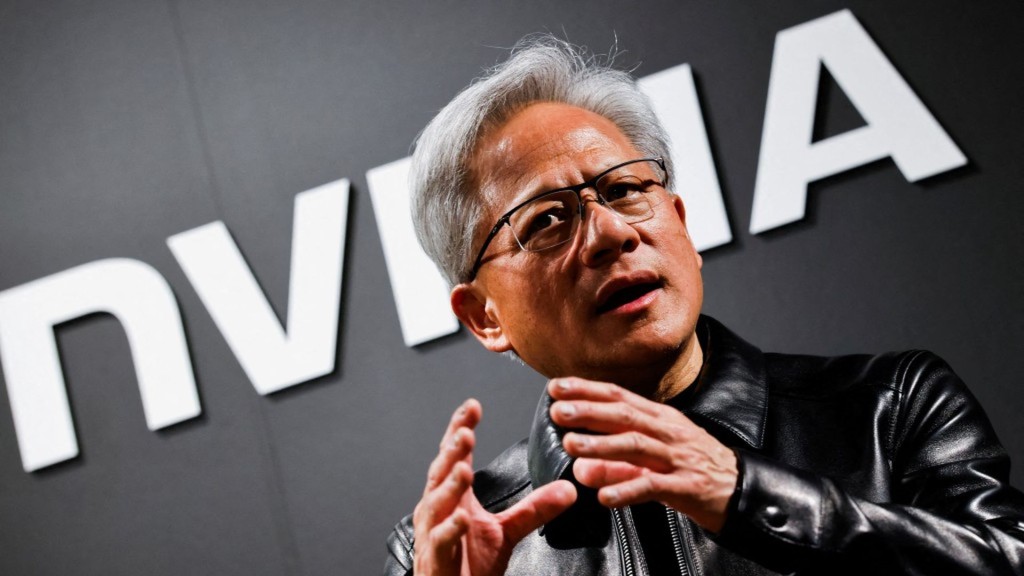
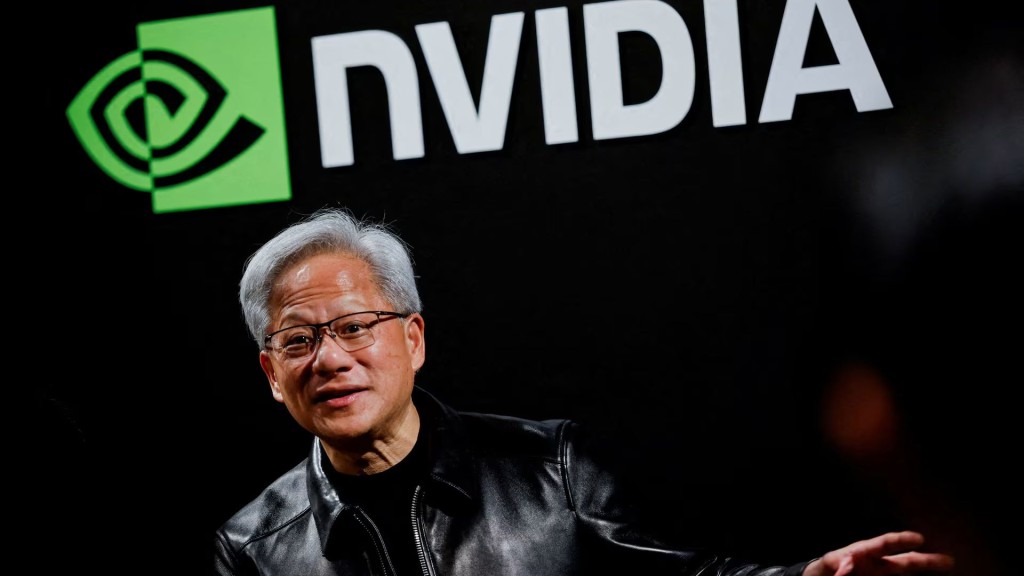
This diplomatic urgency is directly driven by the recent espionage allegations surrounding former chief executive of chipmaker Nvidia, Jensen Huang, and Singapore-based cloud company Megaspeed. Southeast Asia has suddenly found itself at the epicenter of a geopolitical storm. US intelligence alleges that Chinese entities have bypassed Washington’s semiconductor blockade by routing billions of dollars in advanced chips through shell companies in Singapore and Malaysia. Under intense scrutiny, Singapore has carefully calibrated its response, unequivocally stating that while the city-state does not enforce unilateral foreign export controls, it strictly prosecutes local commercial fraud and “does not condone companies using their association with Singapore to circumvent or violate other countries’ export controls.”
Ironically, the region’s current vulnerability stems from a strategy that has immensely enriched it. The “China Plus One” framework – originally designed to help global manufacturers mitigate US tariff risks by relocating assembly lines to Southeast Asia – has inadvertently established alternative tech supply chains.
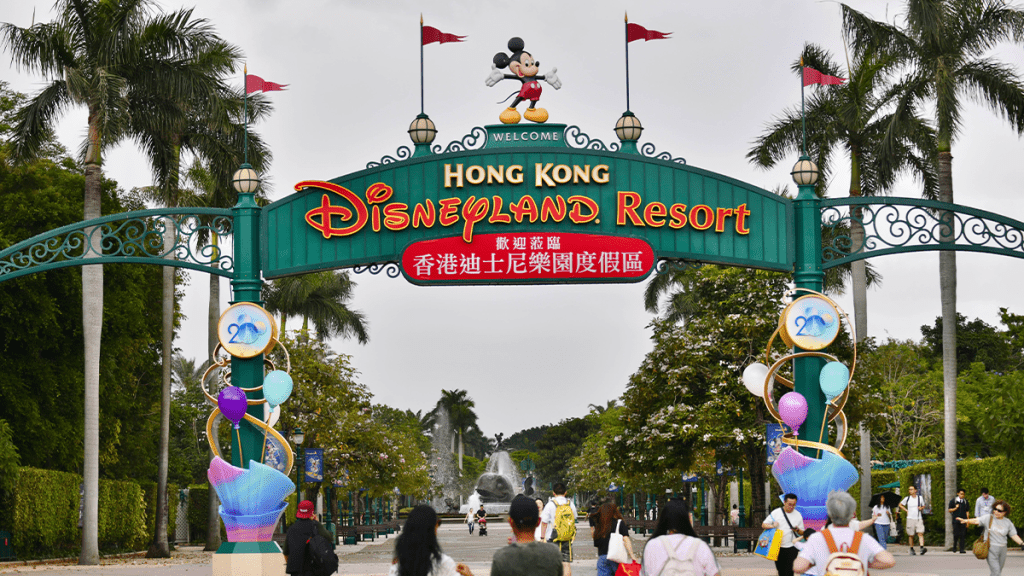
This regionalized value chain has fueled a historic boom for Hong Kong’s re-export economy. Defying global headwinds, Hong Kong’s total exports skyrocketed by a staggering 42.5 percent year-on-year in the first eight months of 2026. This surge was overwhelmingly propelled by a 52.8 percent expansion in electronics exports, which are flowing seamlessly between the Chinese mainland, Hong Kong, and Asean markets.
However, the shifting political climate in Washington threatens to shatter this lucrative ecosystem. Capitalizing on the “Blue Wave” in the recent midterms, China hawks are co-opting the legislative agenda on Capitol Hill.
Using the Nvidia crisis as political ammunition, this anti-China coalition is gaining momentum to dismantle the “China Plus One” loophole. Demanding forensic supply chain interdictions, these hawks are threatening the transit hubs of Asean and Hong Kong with the looming specter of unpredictable secondary sanctions, aiming to completely sever the technological arteries connecting them to Beijing.
To survive Washington’s descending Silicon Curtain and its “small yard, high fence” strategy, a multi-pronged defense is essential. For Asean, regional governments will inevitably be forced to establish transparent, localized compliance frameworks to prosecute genuine commercial fraud, thereby denying Washington the legal pretext to impose blanket secondary sanctions on their tech sectors.
For China, Beijing must double down on proliferating open-source AI models and accelerating chip innovation, expanding a parallel, sanction-proof technological ecosystem in the Global South.
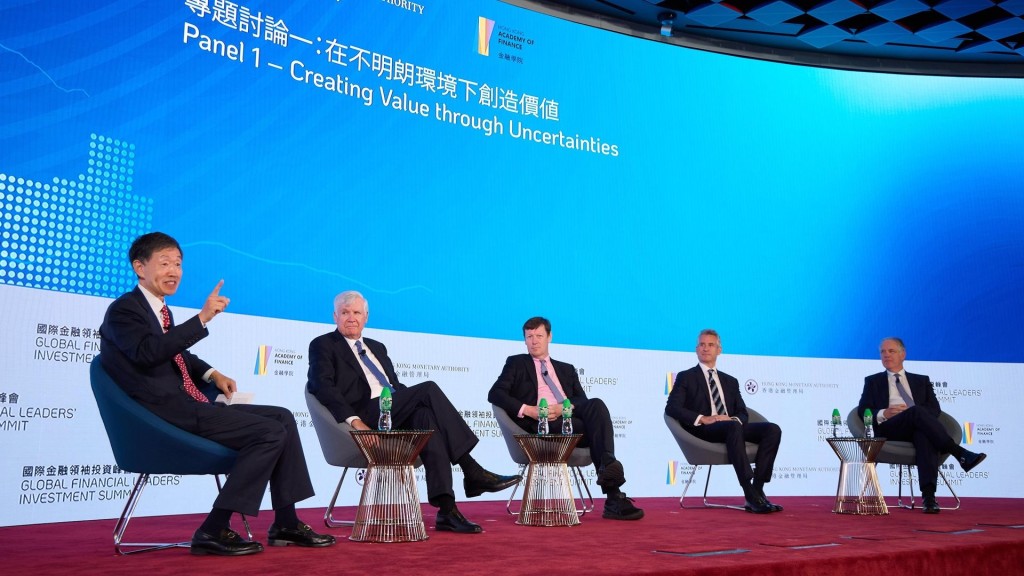
Finally, for Hong Kong, as urged by Chief Executive John Lee Ka-chiu yesterday, the city cannot passively respond to global shifts. It must leverage its unique institutional advantages to rapidly diversify its capital and export markets toward the broader Global South. By acting as a financial and technological super-connector for non-US capital, Hong Kong can insulate its supply chains and help construct a resilient global trade network outside of Washington’s reach.