Read More






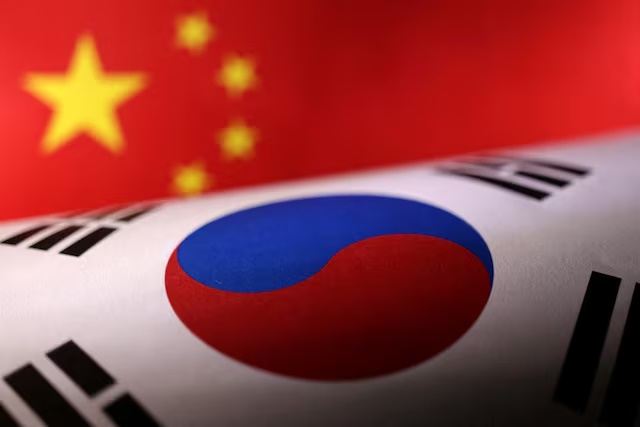
South Korea and China have substantially concluded follow-up negotiations on services and investment under a bilateral free trade agreement, in a move that will boost the entertainment and tourism sectors,South Korea said on Wednesday.
The agreement is expected to increase bilateral trade in services and investment, currently worth around $38.8 billion, according to a joint South Korean ministerial statement distributed by the Ministry of Culture, Sports and Tourism.
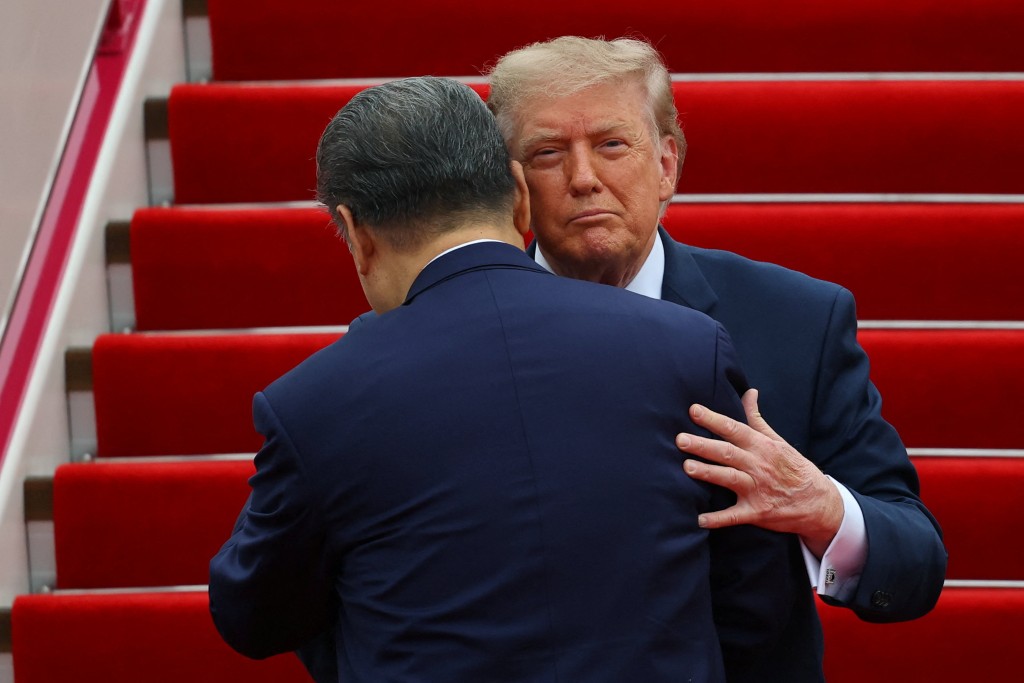
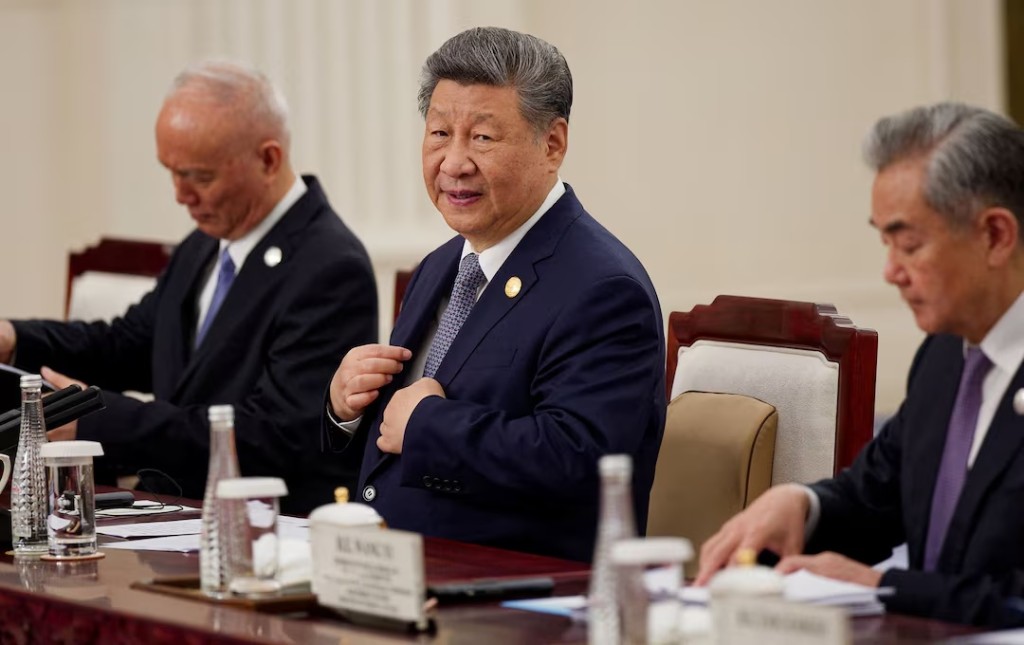
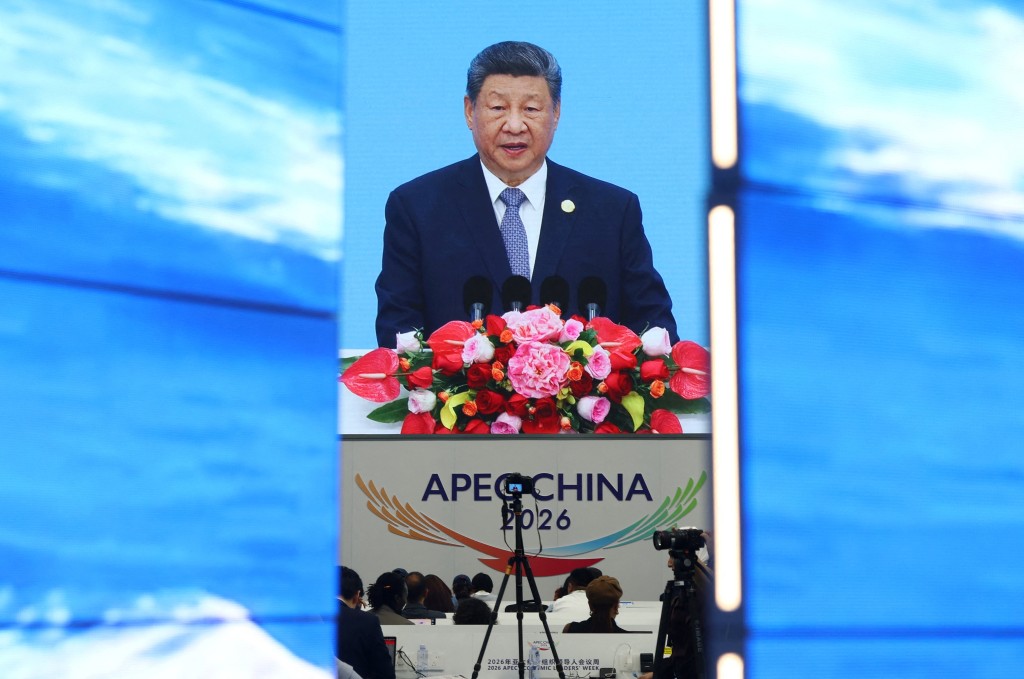
The agreement came during talks between South Korean President Lee Jae Myung and Chinese President Xi Jinping on the sidelines of the Asia-Pacific Economic Cooperation summit in Shenzhen.
South Korean Industry Minister Kim Jung-kwan said it would provide a stable policy basis for Korean companies to enter the Chinese market in sectors such as content, tourism, finance and retail, the statement said.
China agreed for the first time in trade negotiations with South Korea to grant the country most-favoured nation treatment in sectors such as movies and games, it said. This means Korean companies will receive treatment that is no less favourable than rivals from third countries, the statement added.
China also pledged to apply the principle of non-discrimination in evaluating South Korean content, it said.
The countries agreed on joint production of television programmes, including dramas, animation, entertainment and documentaries.
Beijing signed an agreement on tourism to allow South Korean travel agencies to operate in 23 regions of China, it said.
The agreements on entertainment and tourism cooperation may indicate an easing of China's decade-old restrictions on the sectors, in place since 2016 after a dispute over a US anti-missile system deployed in South Korea.
The deployment of the Terminal High Altitude Area Defense (THAAD) system angered China, with South Korea's tourism, cosmetics and entertainment industries facing restrictions in the Chinese market for a decade.
Beijing has never specifically linked the restrictions to the THAAD deployment.
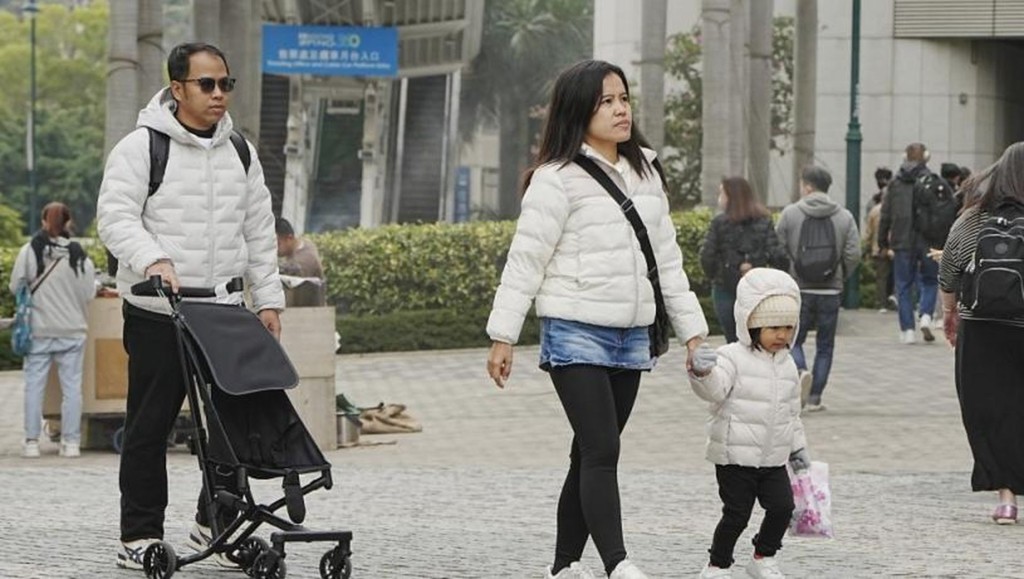
Chinese tourists accounted for nearly 29% of foreign visitors to South Korea in 2025, the highest proportion among inbound travelers, according to government data.
Chinese visitors spent $1,504 on average in South Korea, 13% higher than the average for foreign travelers.
Reuters