China said it was sanctioning a US company and two human rights researchers over work related to Xinjiang, escalating a dispute between the nations over allegations of forced labor.
China was freezing any assets held in the nation by Kharon, Foreign Ministry spokeswoman Mao Ning said at a regular press briefing in Beijing on Tuesday, referring to a Los Angeles-based company that identifies sanctions and compliance risks for organizations.
Edmund Xu, directer of investigations at Kharon, and Nicole Morgret were also barred from entering China and had any assets there frozen. Morgret’s LinkedIn page describes her as an analyst at the Center for Advanced Defense Studies.
Chinese companies were also barred from working with Kharon, Xu or Morgret. The moves are largely symbolic because they are unlikely to have much business or property in China.
Earlier this month, the US sanctioned a pair of Chinese officials, saying they were linked to human rights abuses against minority groups including Uyghurs in Xinjiang, a far western region of China.
Over the summer, the US expanded a ban on imports from the Xinjiang region by placing two more companies on its so-called entity list. Those were the first additions since an American law targeting forced labor in the area took effect in mid-2022.
The Uyghur Forced Labor Prevention Act bars imported goods partly or wholly made in Xinjiang, unless companies can prove the products have no ties to forced labor.
China has long denied it uses forced labor. On Tuesday, Mao said “the US has once again concocted and spread false narratives related to Xinjiang.”
China has been accused of sending millions of minorities to reeducation camps in Xinjiang as a way to curb terrorism. Beijing has countered that the facilities provide vocational education, helping bring prosperity to the region.
The nation has sanctioned American people and companies before over Xinjiang and other issues. In 2021, Beijing sanctioned former US officials who were instrumental in shaping the Trump administration’s confrontational stance toward China. Beijing has also sanctioned US arms firms over sales to Taiwan.
The latest move comes as ties between China and the US improve following a meeting between President Joe Biden and Xi Jinping in November. Those discussions led to cooperation on the fentanyl issue and to high-level military dialogue.
Bloomberg
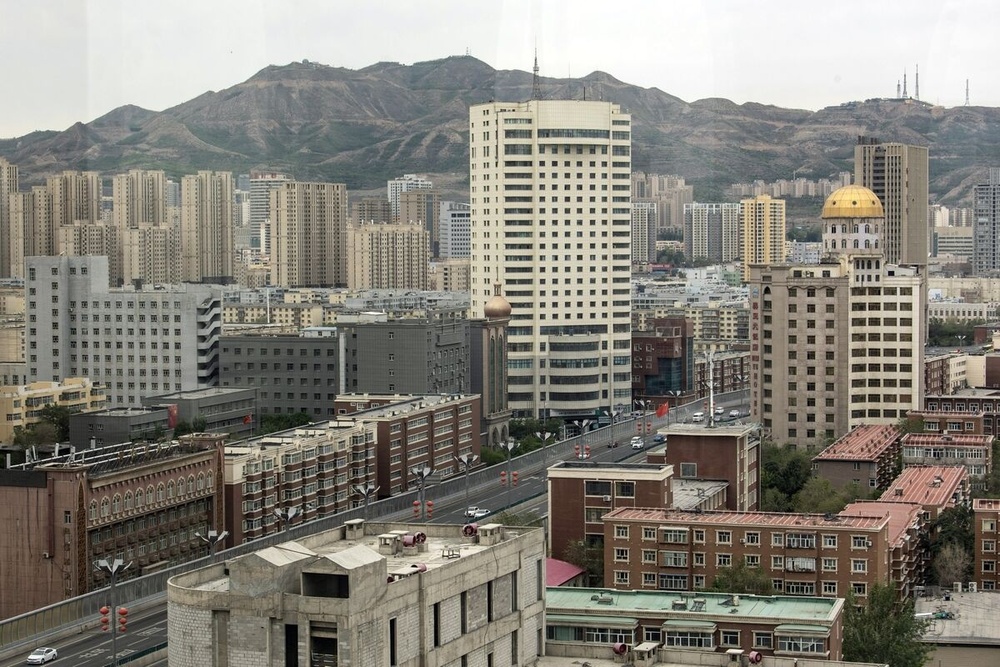
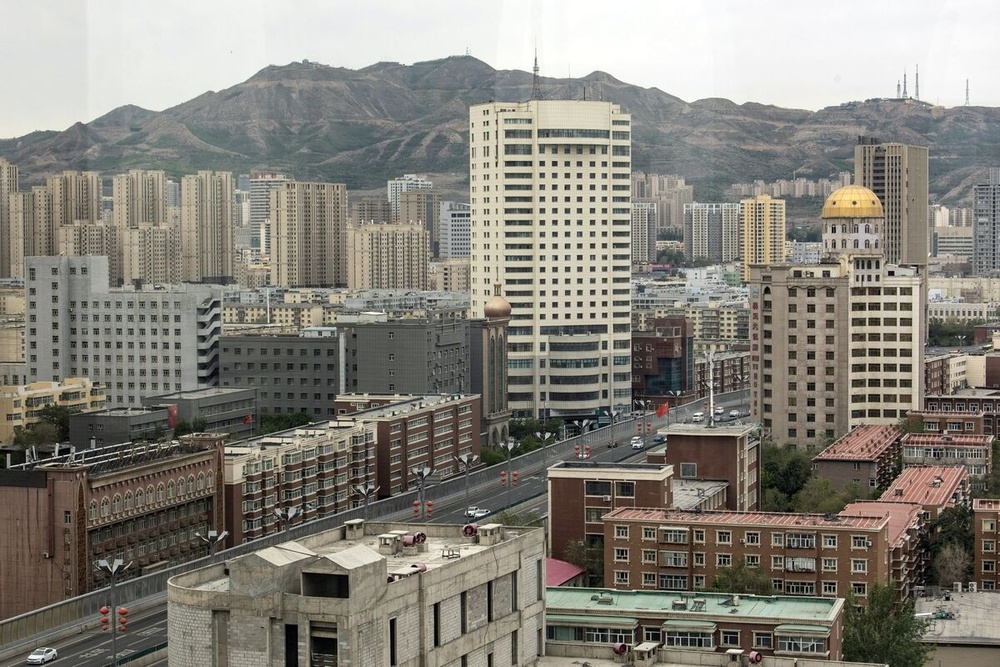
Buildings in Urumqi, Xinjiang province, China.Source: Bloomberg/Bloomberg







![Mu Xinyue (C) of team China celebrates with her teammates after the 1v4 asymmetrical survival game [Identity V - Asian Games Version] final of Esports between team China and team Japan at the 20th Asian Games Aichi-Nagoya 2026 in Tokoname of Aichi Prefecture, Japan, Sept. 30, 2026. (Xinhua/Wang Fei)](https://image.hkstandard.com.hk/f/1024p0/0x0/100/none/2419e193e5dca7d4943445f5dc5616b2/2026-10/e.jpg)