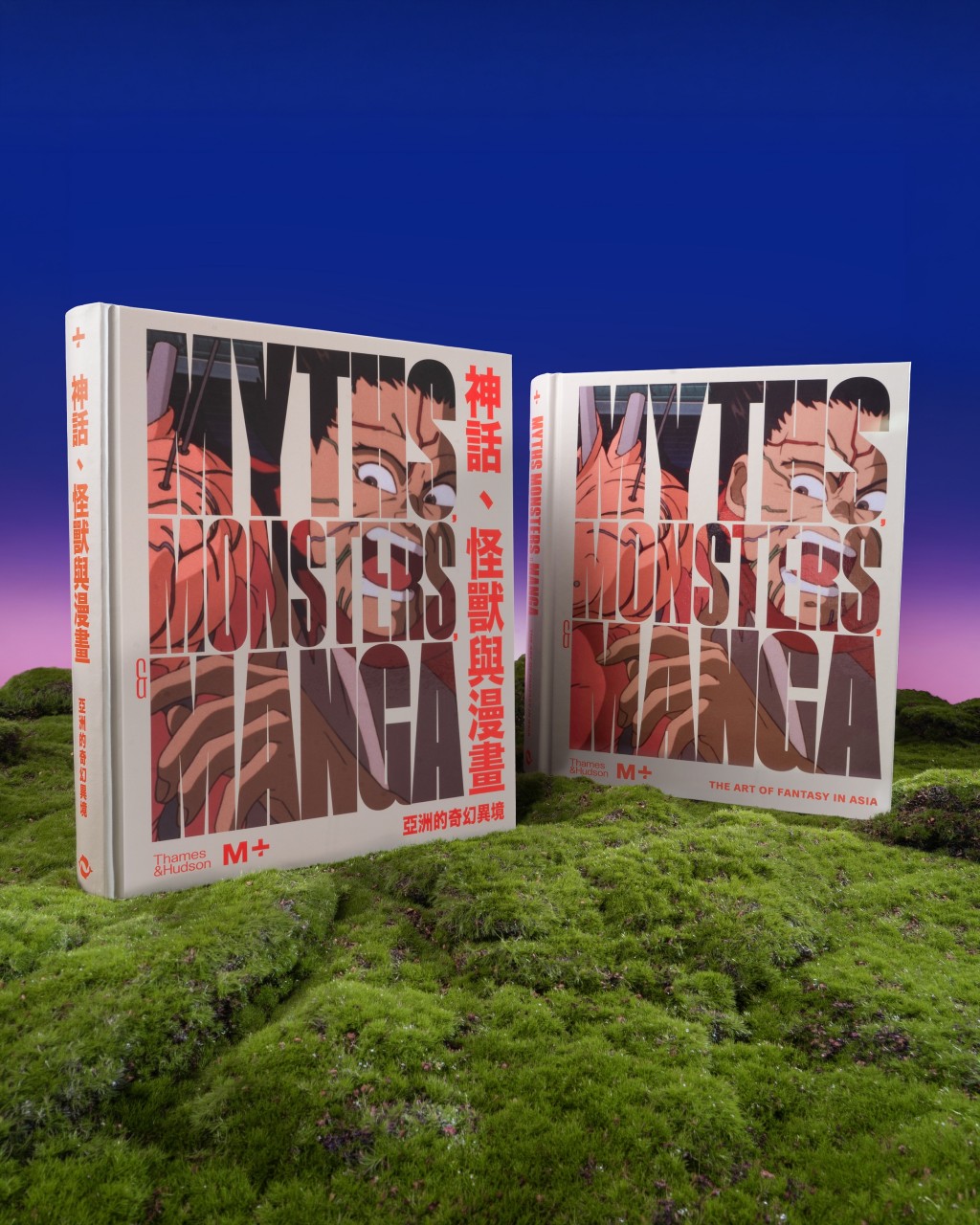
M+’s latest exhibition - Myths and Monsters: The Art of Fantasy in Asia traces some 200 years of imaginative storytelling across the region.
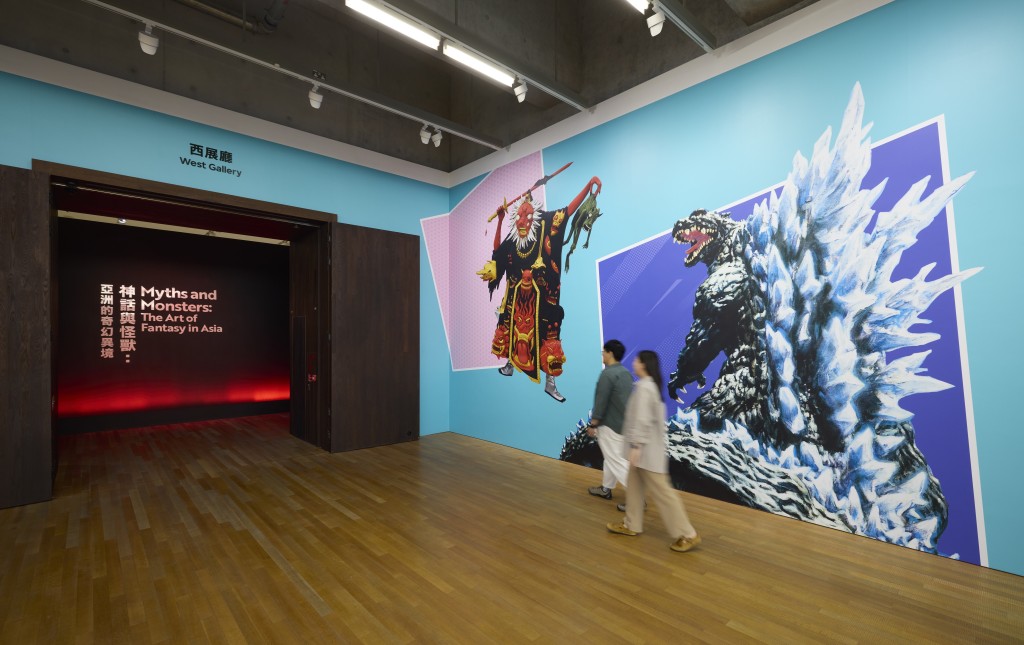
Godzilla may command the room, but at M+’s latest exhibition, monsters are only the beginning.
ADVERTISEMENT
SCROLL TO CONTINUE WITH CONTENT
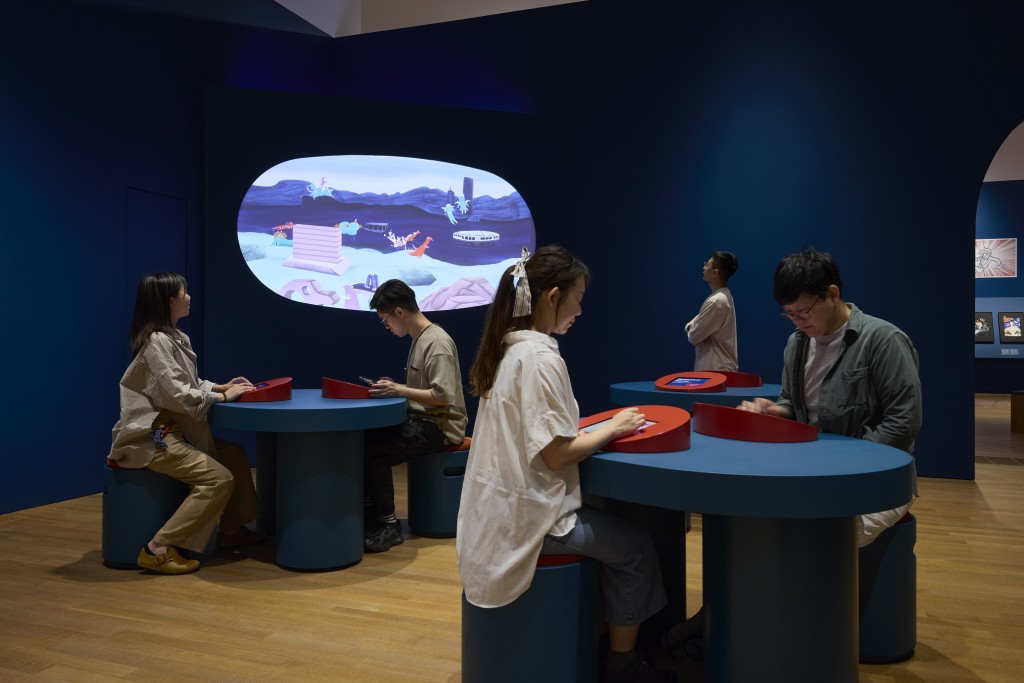
Opening at the West Kowloon museum on October 17, Myths and Monsters: The Art of Fantasy in Asia traces some 200 years of imaginative storytelling across the region, moving from mythological creatures and supernatural beliefs to Surrealism, manga, anime, video games and contemporary digital culture.
Bringing together more than 400 works spanning art, architecture, fashion, film and other media, the exhibition considers fantasy not simply as escapism, but as a visual language artists have repeatedly used to respond to changing social and political realities.
Running until April 4, 2027, the exhibition unfolds across four chronological and thematic sections, beginning with the supernatural figures of 19th-century Asia before moving through Surrealism, postwar popular culture and the new mythologies emerging from today’s increasingly digital world.
Where ghosts, gods and monsters meet
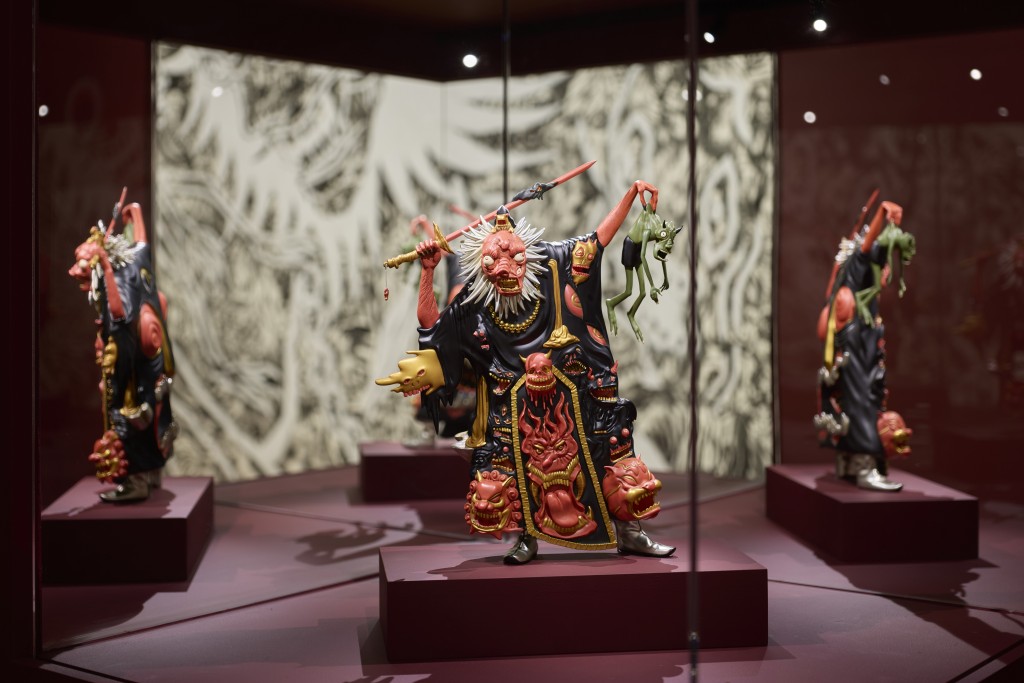
The journey begins with Spirits Among Us: Fantasy in the 1800s, where ghosts, deities and other supernatural beings appear across ukiyo-e prints, Chinese shadow puppets, Tibetan Buddhist thangkas and vernacular objects.
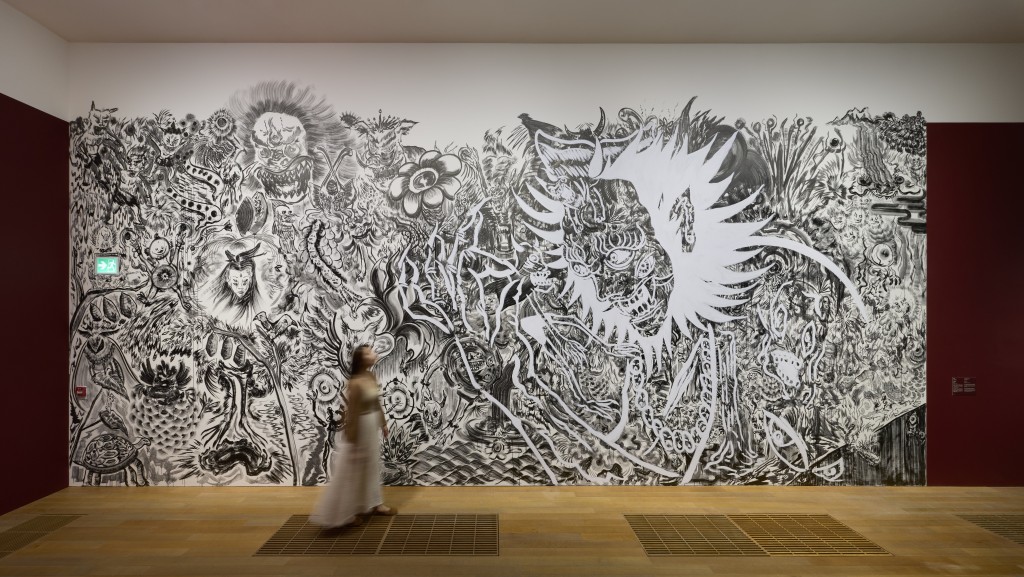
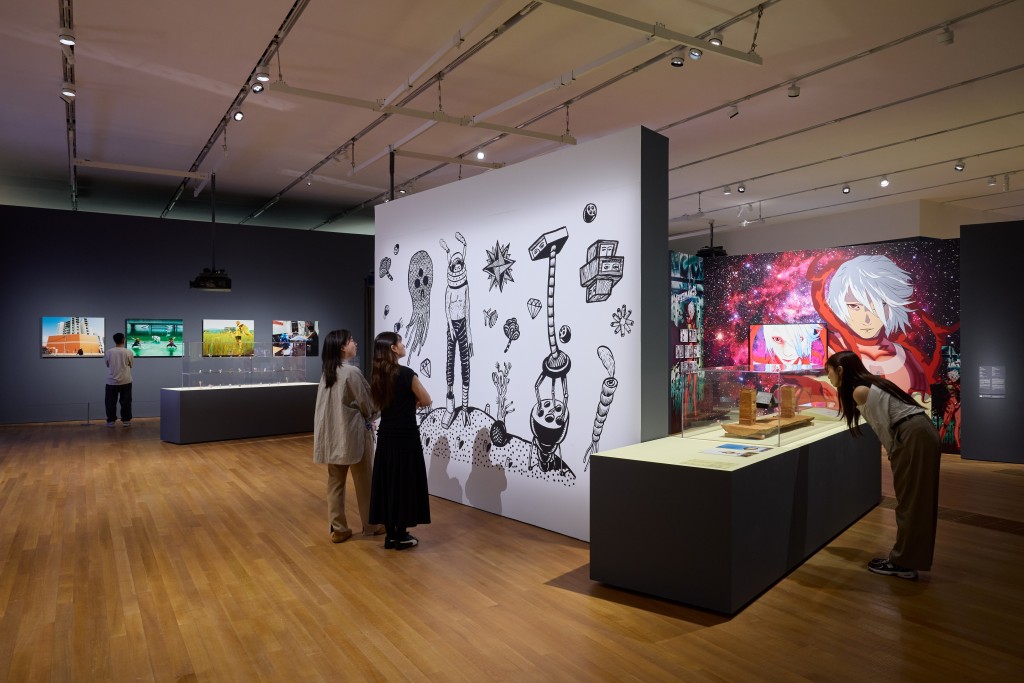
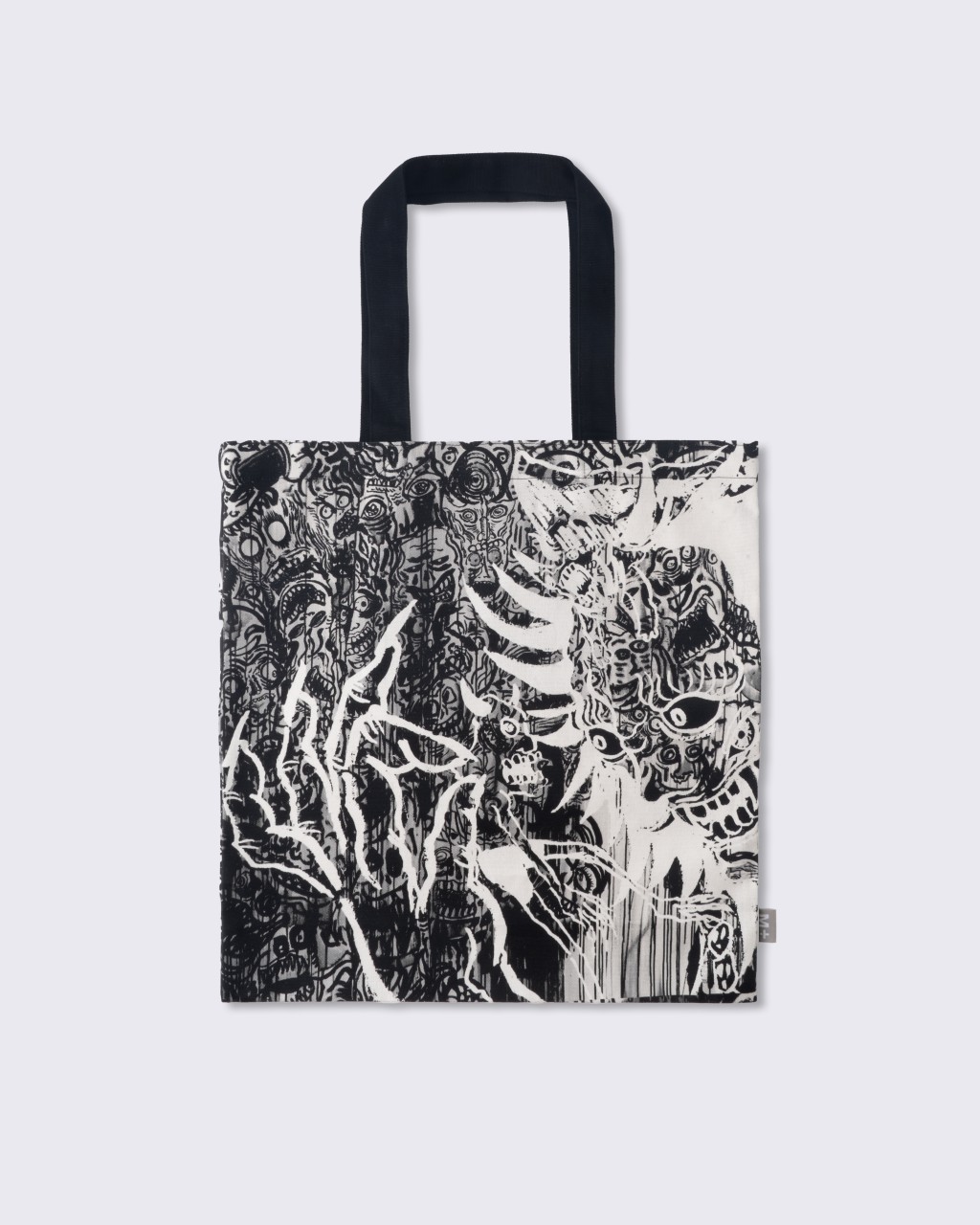
Among the contemporary responses is Fear Catcher (2026), a new site-specific mural by Helsinki-based Hong Kong artist Oscar Chan Yik Long. Inspired by Zhong Kui, traditionally known as the King of Ghosts, Chan reinterprets the mythological figure around the idea of recognizing and releasing one’s fears.
Fear Catcher (2026), a new site-specific mural by Helsinki-based Hong Kong artist Oscar Chan Yik Long.
The exhibition then moves into the dreamlike territory of Surrealism, placing European figures including Salvador Dalí, René Magritte and Giorgio de Chirico in dialogue with artists from across Asia who adapted the movement’s strange and irrational imagery to their own histories of war, instability and social change.
For many visitors, however, the most immediately familiar monsters arrive in the third chapter.
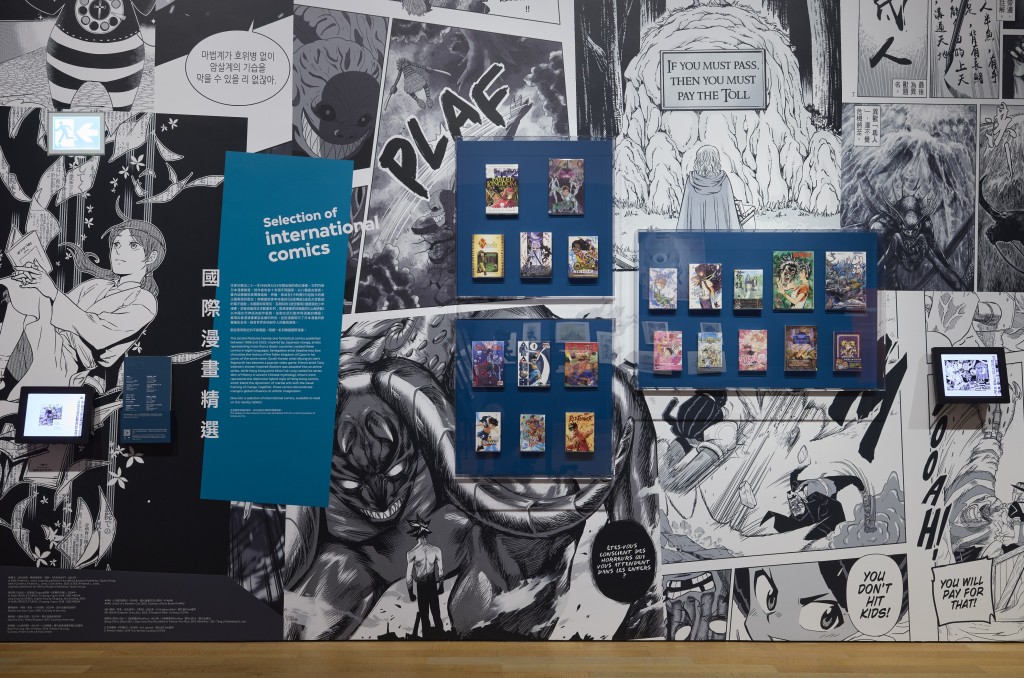
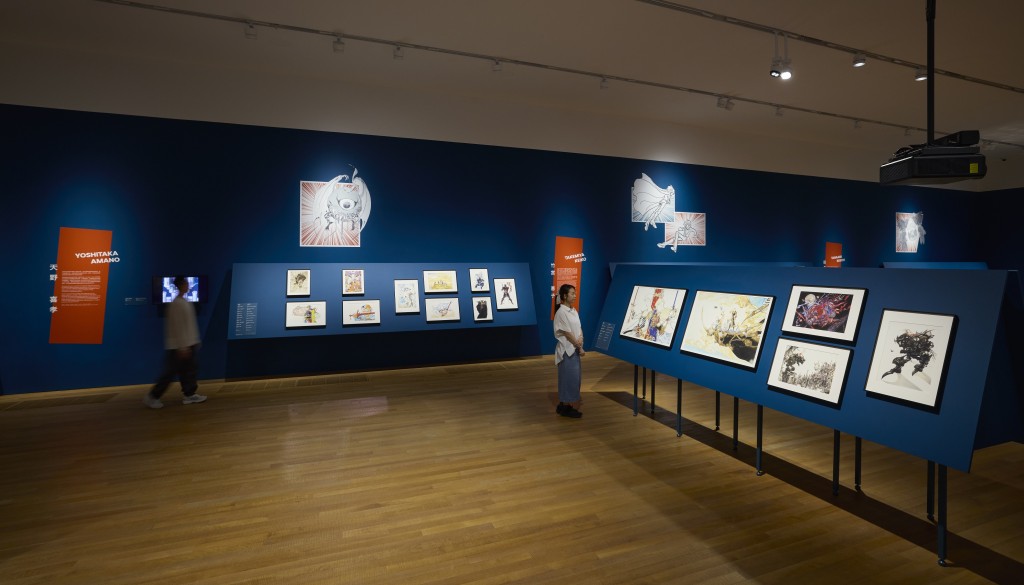
From Godzilla to Ghost in the Shell: Fantasy Meets Pop Culture looks at the rise of Japanese manga, anime and cinema after World War II. Astro Boy and Godzilla sit alongside drawings from Cardcaptor Sakura and background paintings from Mamoru Oshii’s 1995 anime Ghost in the Shell, tracing how fantastic worlds became spaces for exploring loss, technological change and hopes for a different future.
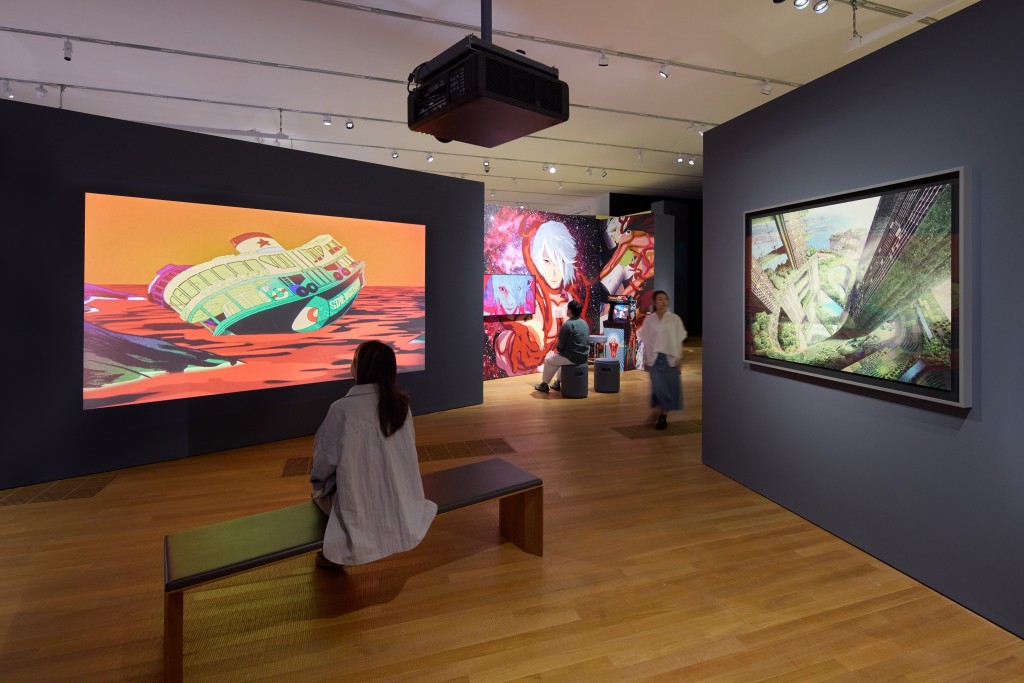
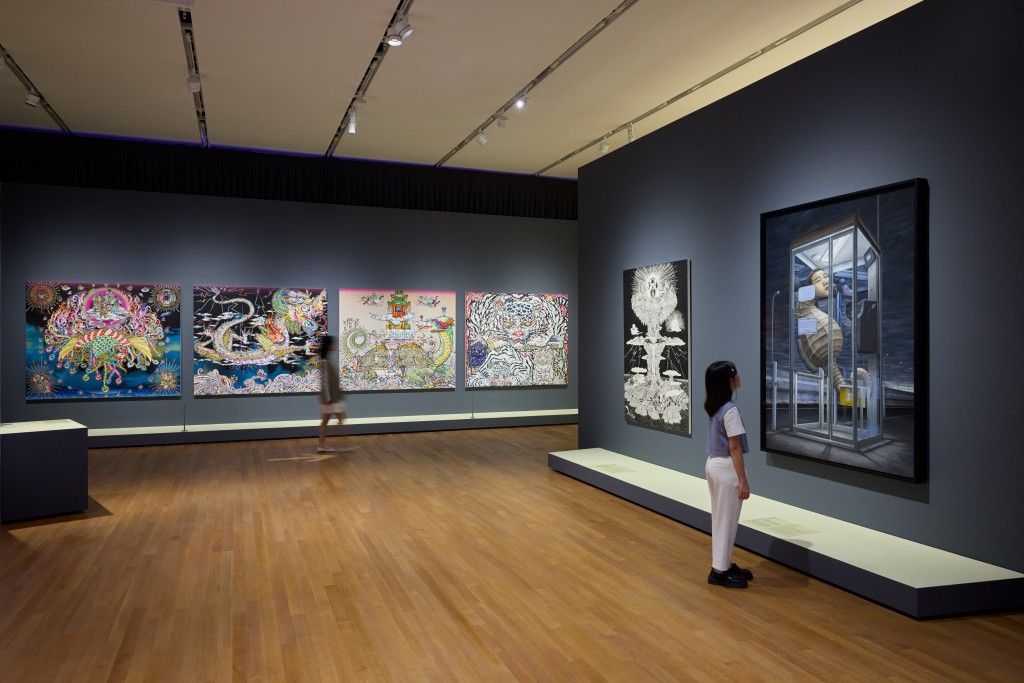
The final section, New Mythologies: Asian Fantasy Goes Global, brings the story into the present through artists including Takashi Murakami, Ayoung Kim, Ho Tzu Nyen, LuYang and Lawrence Lek. Here, fantasy responds to questions surrounding identity, technology and contemporary life while borrowing freely from anime, mythology, gaming and digital culture.
Exhibition co-curators Ulanda Blair and Isabella Tam said the show examines how fantastical storytelling has been “imagined, appropriated, and transformed across the region for more than two centuries,” from mythology and religious cosmologies to manga and anime.
Beyond the gallery
The fantasy world continues outside the exhibition itself.
Families will have more ways to enter the story from January to March 2027. Selected Sundays will feature activities including Building Fantasia, storytelling sessions exploring the lives of monsters, an Imagination Playground where participants build their own creature companions, and Family Pop-up stations around the museum.
Family Explorer tours will turn the galleries into a series of decoding missions, while stop-motion workshops invite children and adults to create their own monsters and animated shorts using everyday objects. A Young People Meet-Up is also planned for February.
Cinema becomes another extension of the exhibition. M+ Cinema’s Autumn Edition will screen Ghost in the Shell and Ghost in the Shell 2: Innocence, while the winter program Monsters Among Us brings together eight creature films, including Super Inframan, Nobody, Guillermo del Toro’s Pan’s Labyrinth and Bong Joon-ho’s The Host. Two rarely screened episodes from Murakami’s Kaikai & Kiki anime series will also play free of charge at the Grand Stair.
Monsters to take home
The fantasy does not end at the museum exit either.
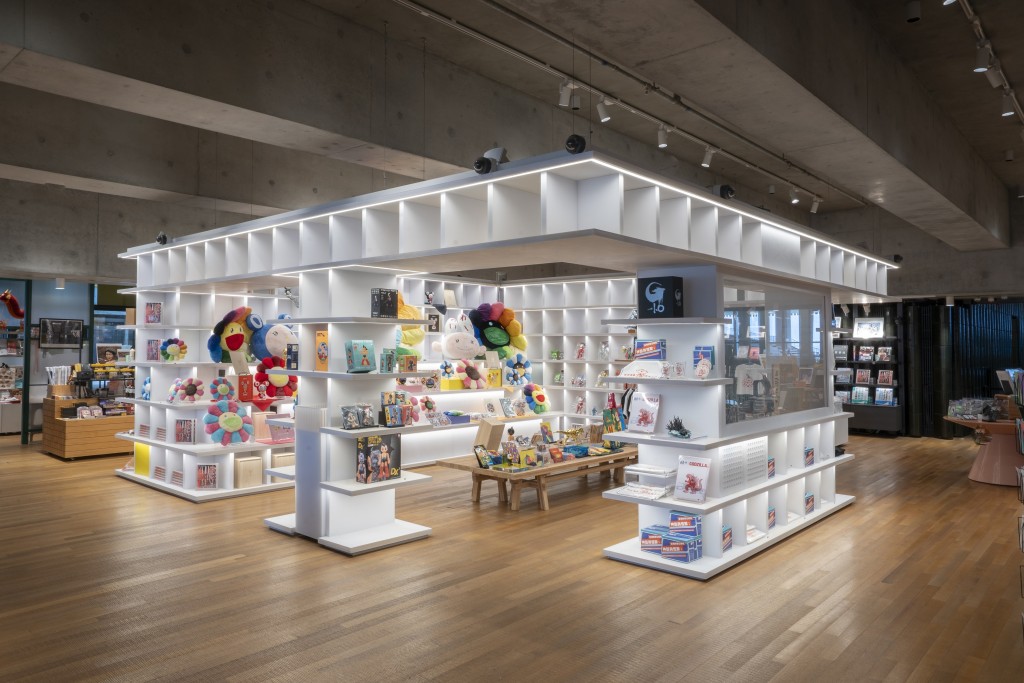
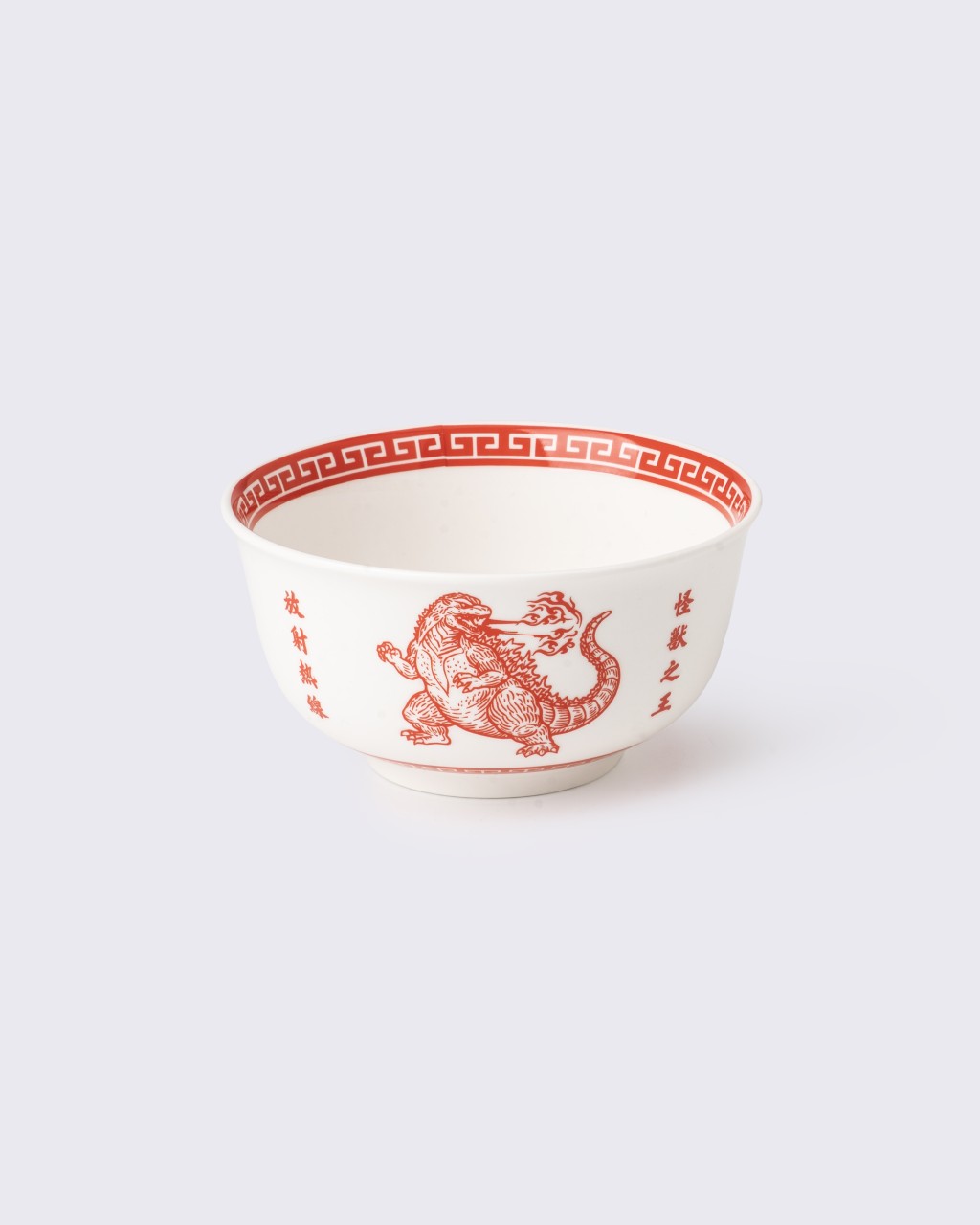
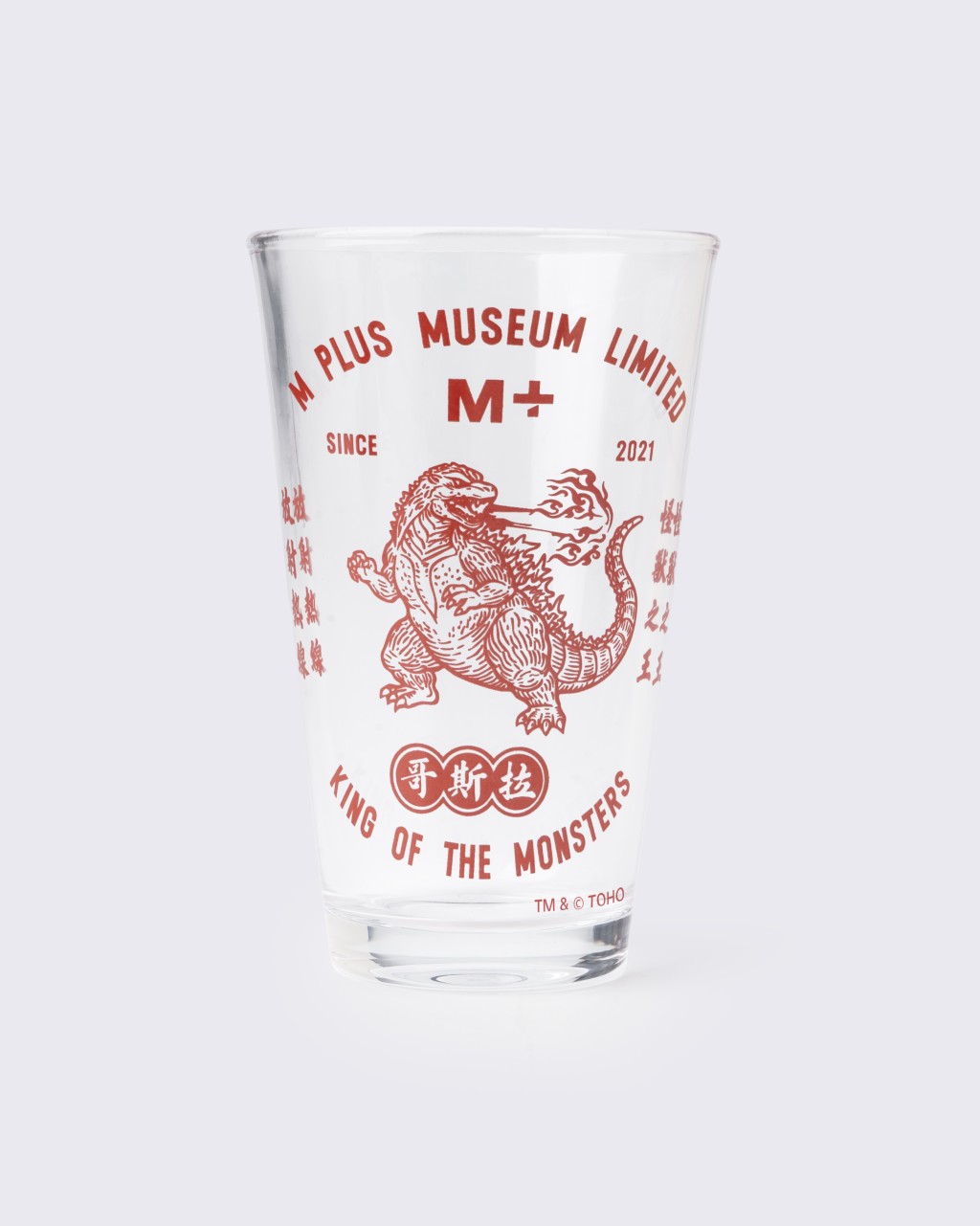
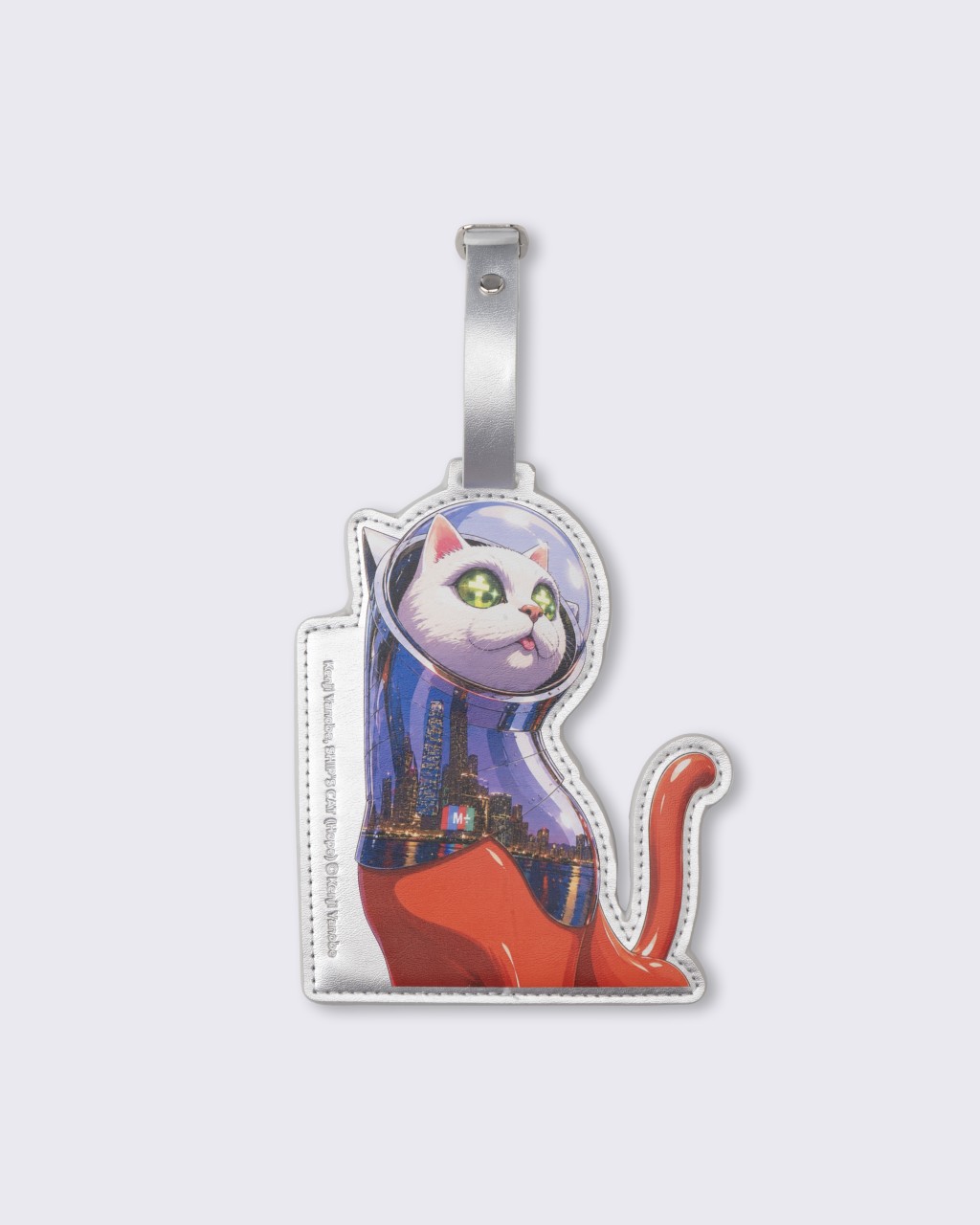
M+ Shop has developed an exhibition-exclusive merchandise collection spanning Godzilla, Kenji Yanobe’s SHIP’S CAT characters, Kongkee, Oscar Chan and Ho Tzu Nyen.
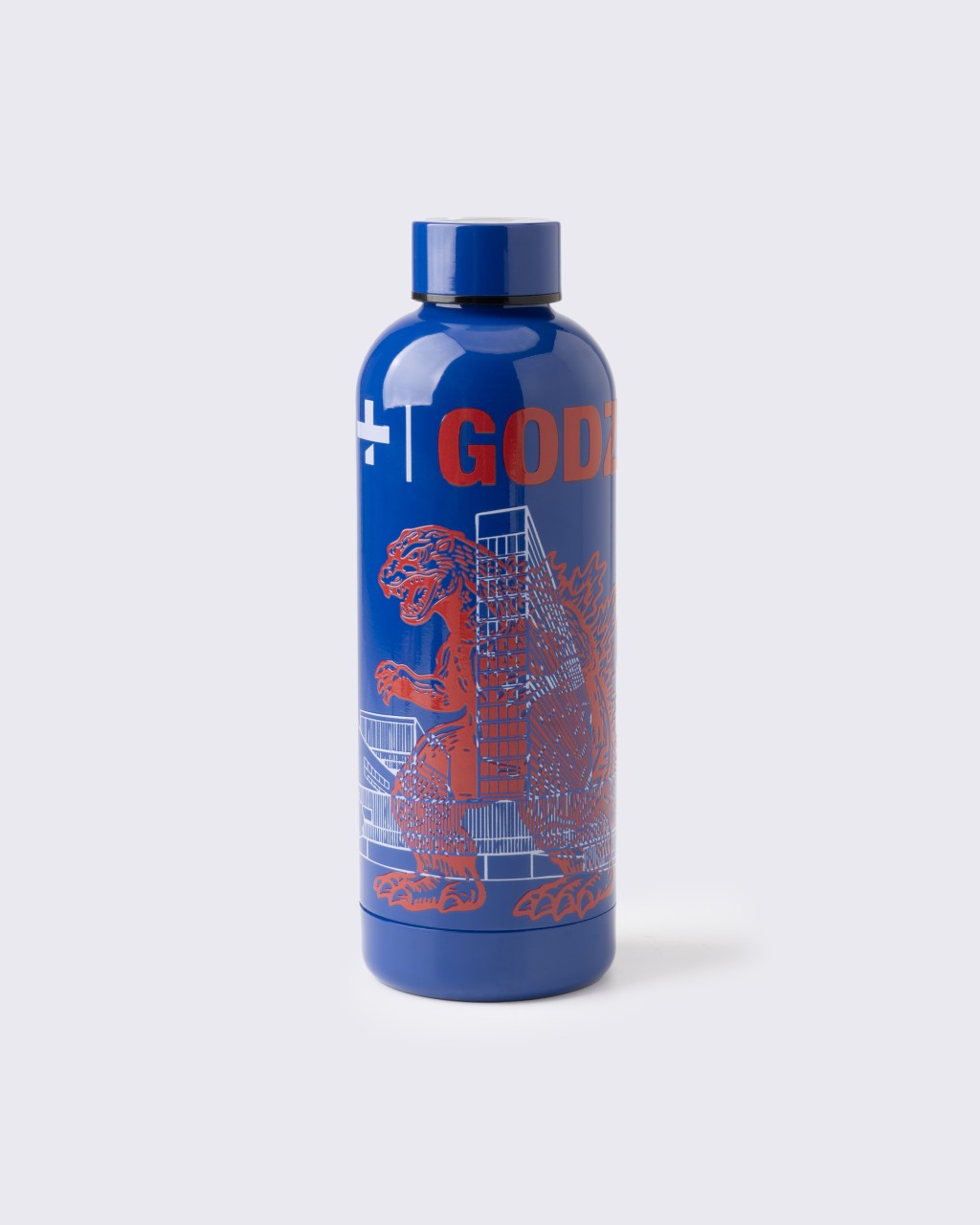
The Godzilla collaboration is particularly playful, combining the monster with M+ architecture and retro typography inspired by 1970s shops. Beyond the expected T-shirts, caps and tote bags, the collection includes a Hong Kong-inspired “Battle Bowl,” glassware, insulated bottles, coasters — and, perhaps most unexpectedly, a custom Godzilla pickleball paddle.
Yanobe’s SHIP’S CAT series receives a more futuristic treatment, with the M+ building reflected in the characters’ designs and products ranging from 3D tail cushions and luggage tags to plush keychains and limited-edition postcards. Kongkee’s collection leans into Hong Kong nostalgia with a sci-fi twist, including a 3D Star Dust Ferry pouch and lenticular postcards, while Chan’s Fear Catcher appears across socks, tote bags and embroidered coin pouches.
+2
Takashi Murakami merchandise, including cushions, keychains and rare signed DOB-kun figures, will also be available. Through December, The Other Shop at B1 will become a pop-up featuring contemporary artist and pop-culture products, alongside a life-size Astro Boy figure and Tamagotchi gacha machines.
Myths and Monsters: The Art of Fantasy in Asia runs at M+ from October 17, 2026 to April 4, 2027. General admission, which includes access to all M+ galleries, is HK$190 for adults and HK$100 for concession-ticket holders.