From a century-old police station to a communal hall that once sheltered children fleeing war, Hong Kong's Northern Metropolis holds stories of village traditions, education and community life waiting to be discovered.
This year's Heritage Fiesta, organized by the Development Bureau's Commissioner for Heritage's Office, will take visitors through 12 declared monuments and graded historic buildings under the theme "Traversing Northern Metropolis."
The program explores three themes: clan culture and traditional character of the New Territories, adaptive re-use of historic buildings, and a century of nurturing talent.
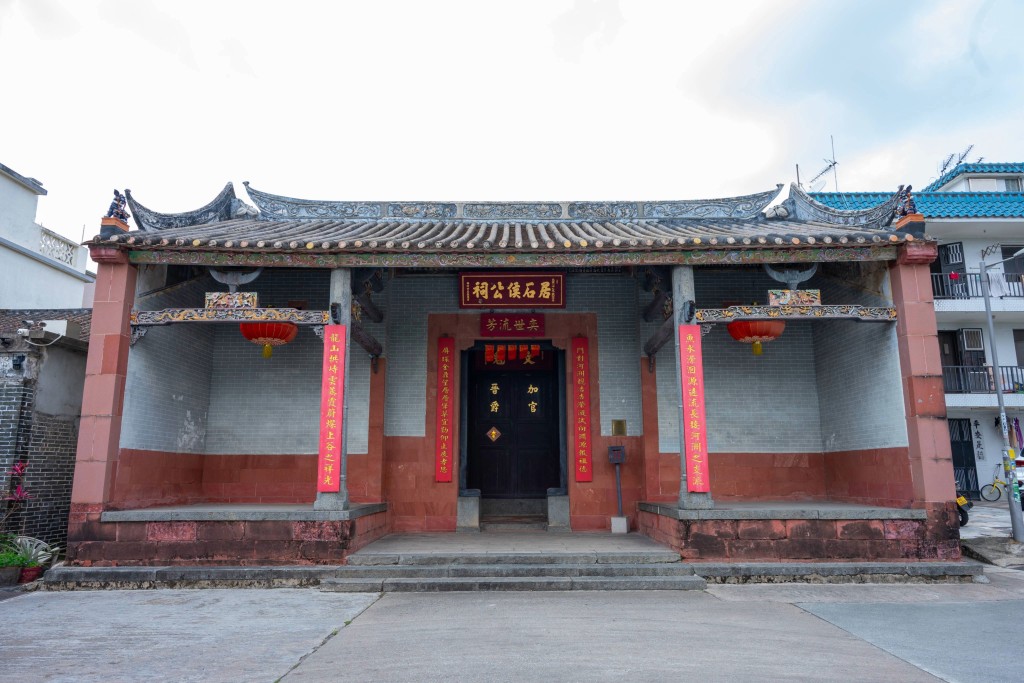
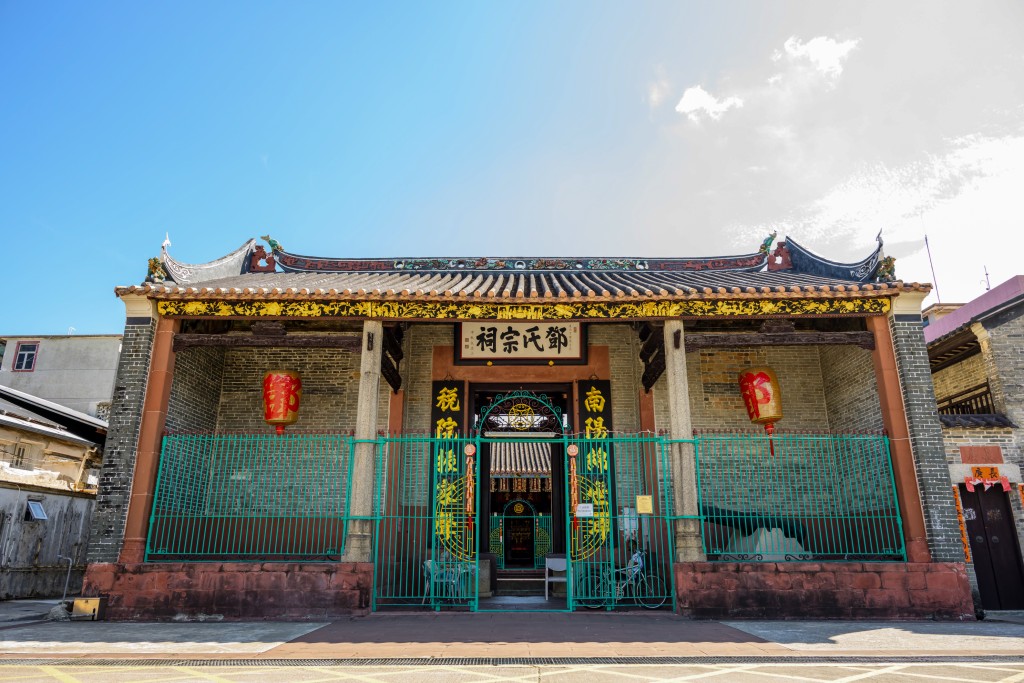
Among the featured sites are Liu Man Shek Tong Ancestral Hall in Sheung Shui, Tai Fu Tai Mansion, the Old Ping Shan Police Station and the former Yuen Long Public Middle School.
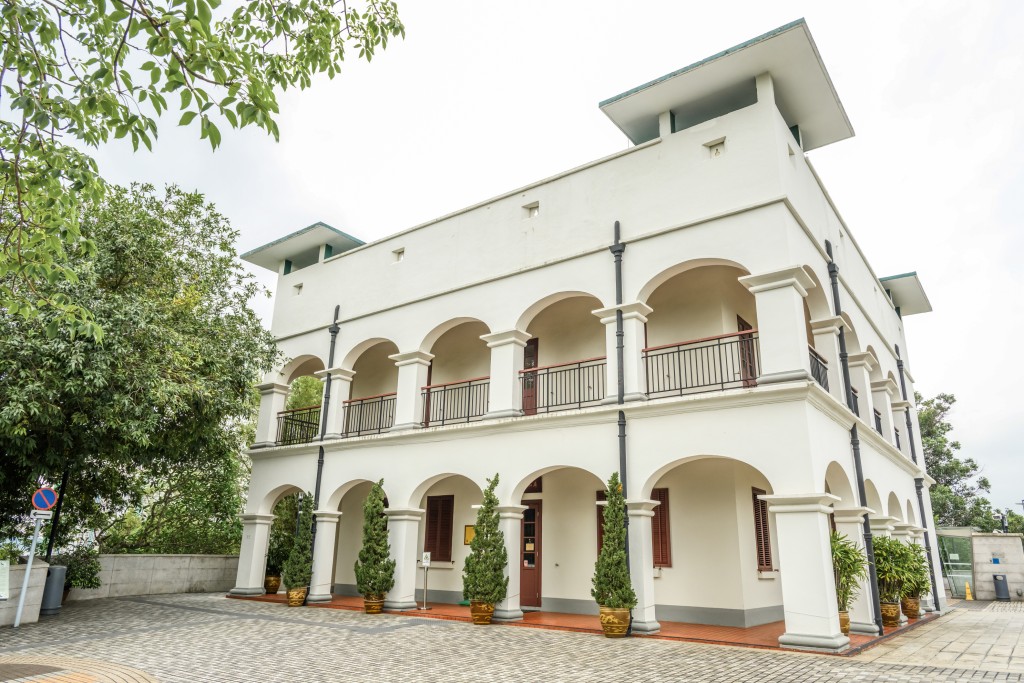
Perched on a hill overlooking Ping Shan, the Grade II-listed Old Ping Shan Police Station is one of the few surviving prewar police stations in the New Territories.
Built in 1900, shortly after the British took over the New Territories, the two-story building features Western-style arched verandahs designed to provide shade and ventilation in Hong Kong's hot and humid climate.
A curator at the Commissioner for Heritage's Office, surnamed Lo, said the building had served various police functions over the years, including housing the Police Dog Unit and traffic police, before being converted into the Ping Shan Tang Clan Gallery cum Heritage Trail Visitors Centre in 2007.
Today, its galleries offer a glimpse into the Tang clan's everyday life through traditional household objects, including a single-seat baby chair, wine cups and wedding accessories.
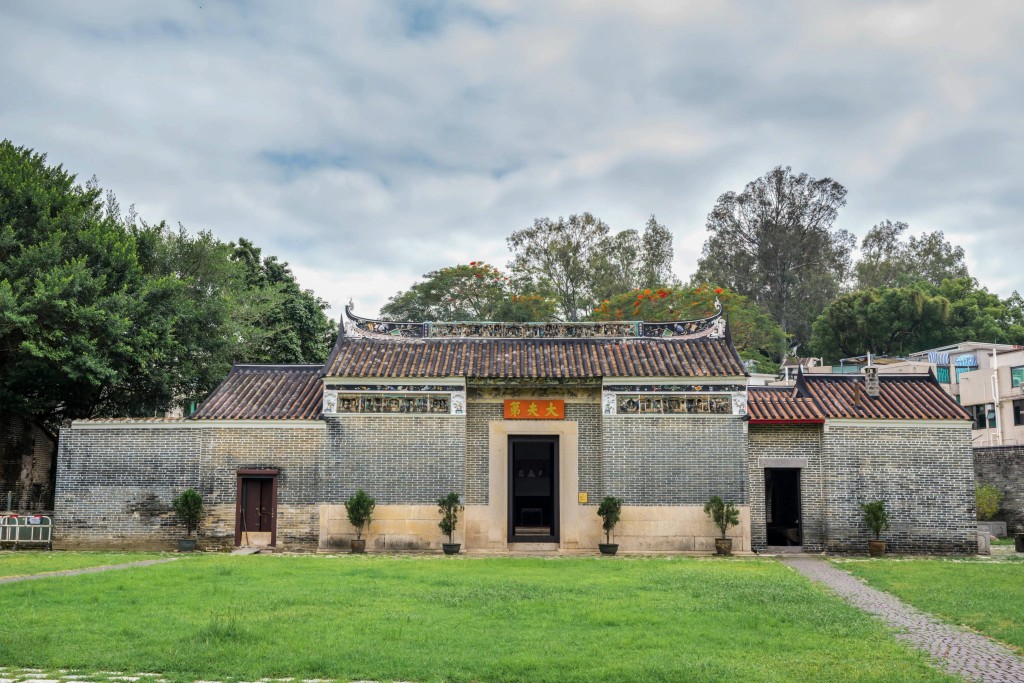
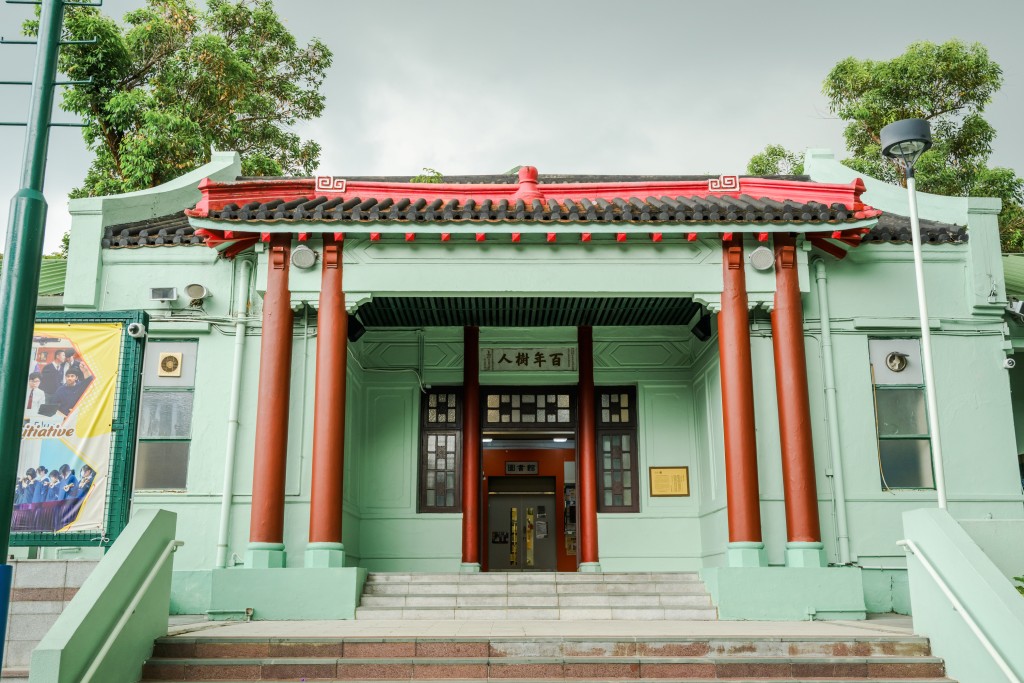
Another highlight is Tat Tak Communal Hall in Yuen Long, a declared monument whose history stretches back to the Qing dynasty.
Completed in 1857, the building features a pitched tiled roof, granite door frames and traditional decorative details. The Chinese characters marking the Xianfeng reign above its entrance provide a clue to its age.
Originally built as a gathering place for villagers and an office for managing Ping Shan Market, the hall is also believed to have been a meeting place where local residents organized resistance against the British takeover of the New Territories in 1899.
Its role changed during the Second Sino-Japanese War. Between 1940 and 1941, the Hong Kong Red Swastika Society used the premises as a children's home, providing shelter for more than 50 homeless children rescued from Shenzhen.
After World War II, the building continued to serve educational and welfare purposes, accommodating students and later operating as an orphanage and a private primary school.
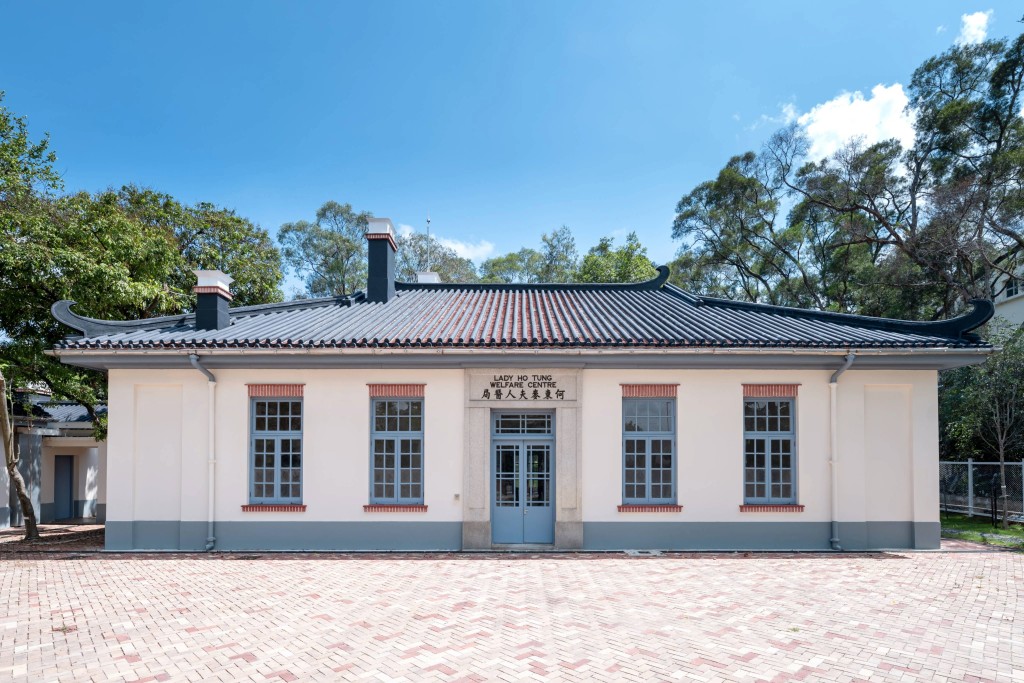
Visitors will also have a rare opportunity to explore the former Yuen Long Public Middle School, now TWGHs CY Ma Memorial College, which is normally closed to the public.
The school is included in one of five suggested self-guided heritage routes and will open at designated times on November 21 and 28 to coincide with its school information days.
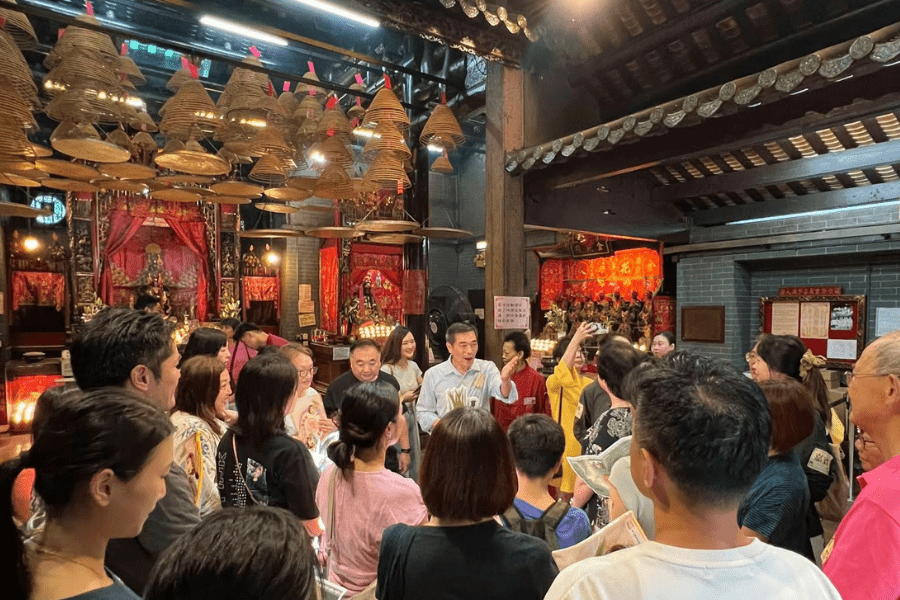
For those looking to explore further, the organizers will offer more than 170 free guided tours between November and December, alongside public lectures and a new open-top bus heritage tour.
Visitors can also collect 13 specially designed commemorative stamps as they explore the historic sites.
A roving exhibition will run from October to December at government venues, shopping malls and 14 public libraries, bringing the stories of the Northern Metropolis to residents across Hong Kong.
The program offers visitors a chance to see beyond the region's changing landscape and discover the buildings and communities that have shaped its past.
marco.lam@singtaonewscorp.com