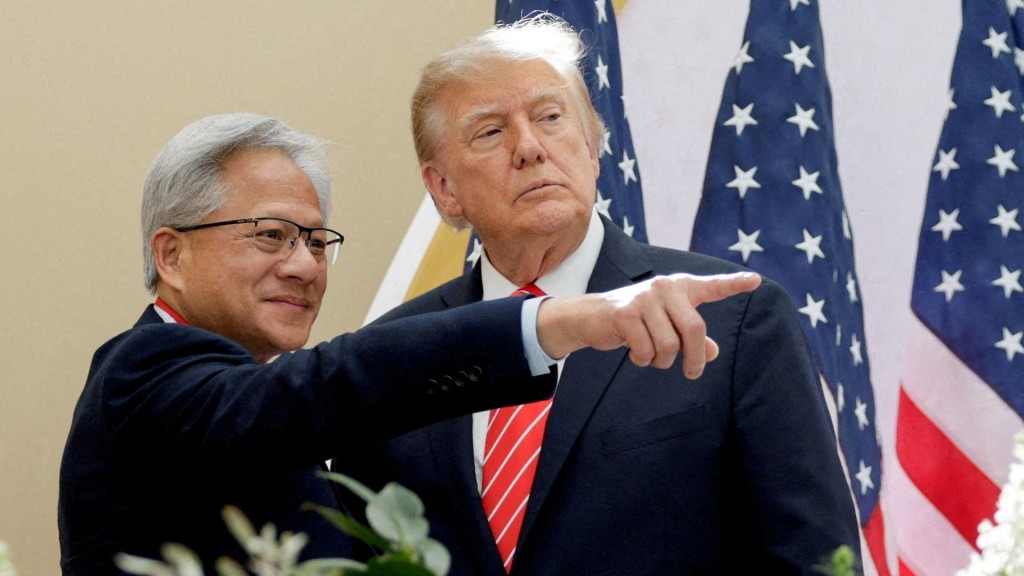
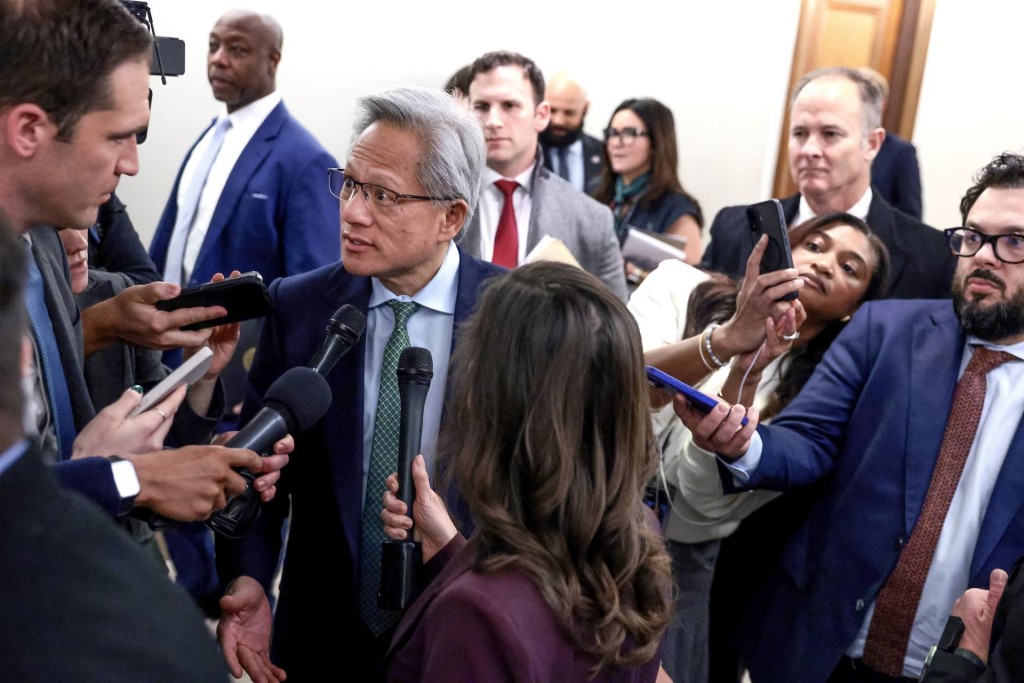
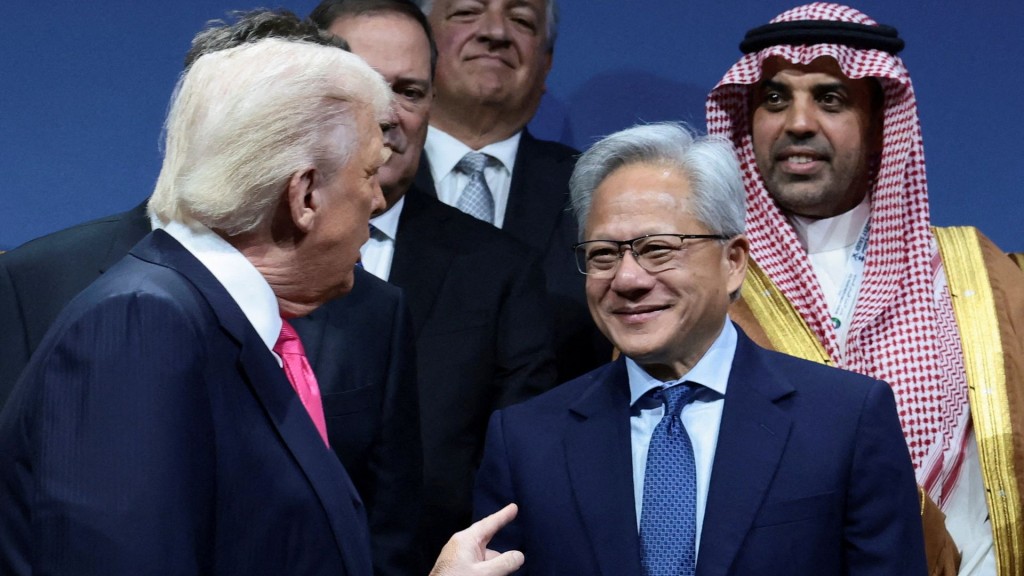
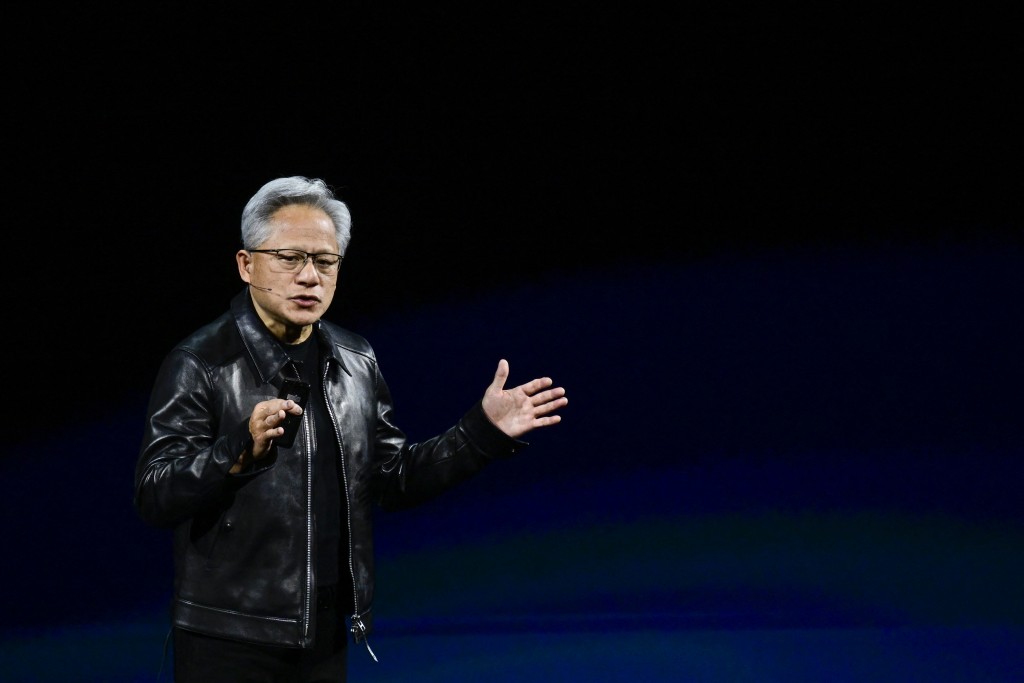
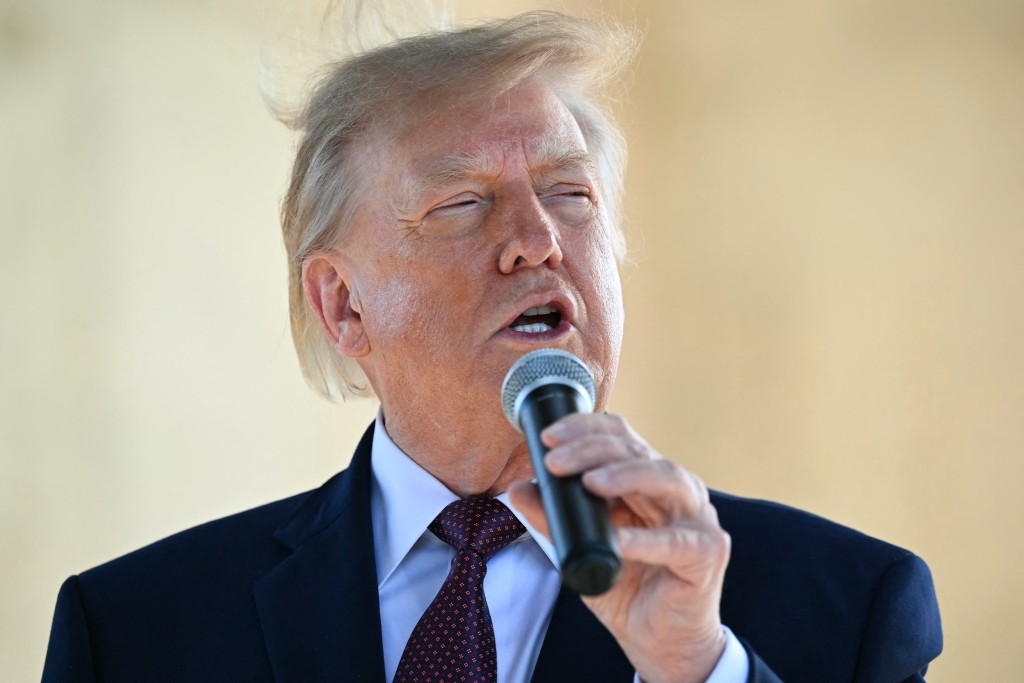
US President Donald Trump and Vice President JD Vance personally intervened in Nvidia's decision over the weekend to reinstate chief executive Jensen Huang, convinced he alone could protect American-made open-weight artificial intelligence models, people familiar with the matter said on Monday.
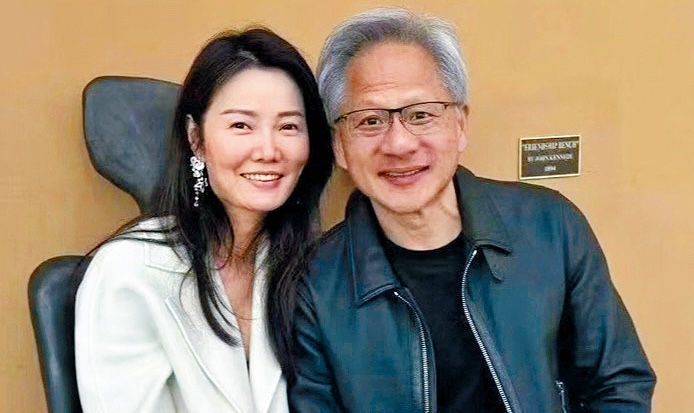
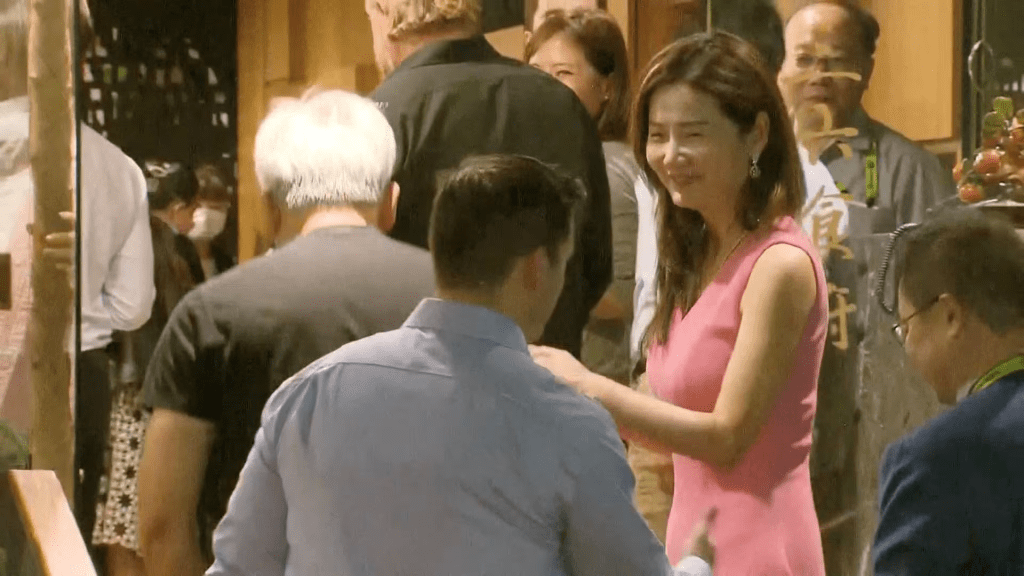
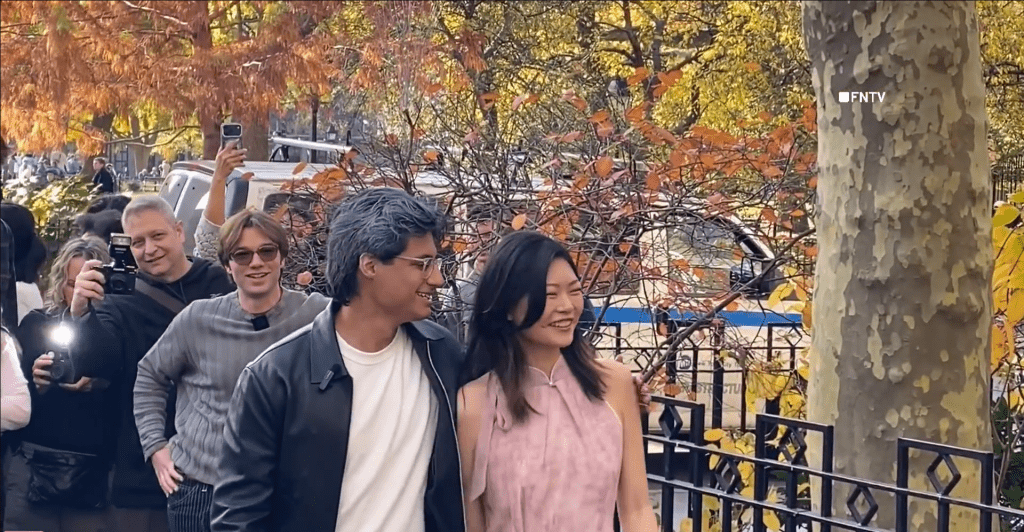
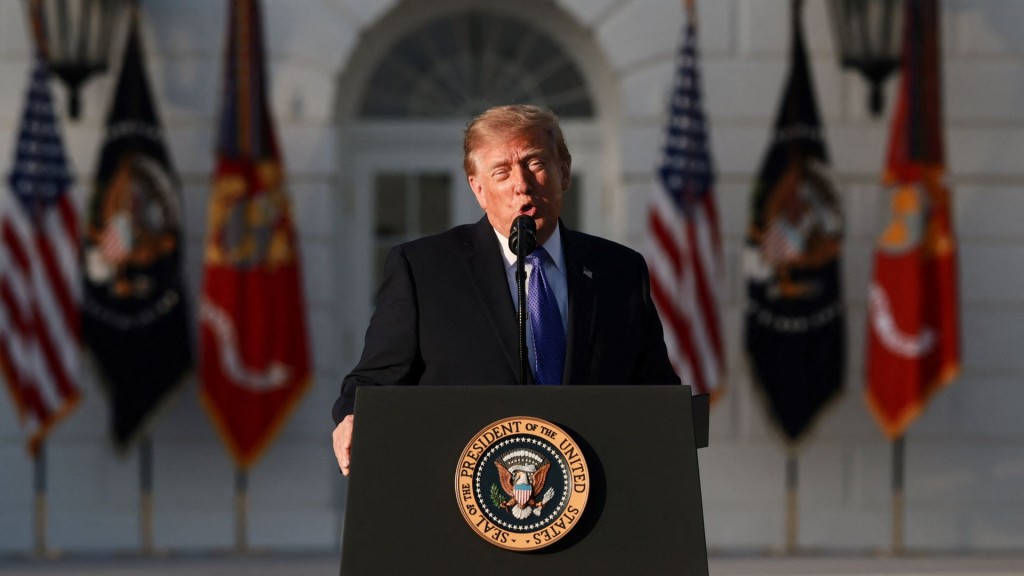
Trump confirmed his involvement on Monday, telling US broadcaster CNBC that he had communicated "directly and indirectly" with Nvidia's board before it voted to bring Huang back, less than two weeks after he resigned following reports of extramarital affairs, including one with an alleged Chinese spy.
"I've been speaking to the board directly and indirectly, and I felt very strongly about it," Trump said, adding that the board had been placed in a "very bad position" and acted "really responsibly."
Open-weight AI models, whose core components are publicly available for developers to download and adapt, have emerged as a major growth driver for Nvidia by expanding demand for its chips beyond a handful of major AI labs.
China currently leads in developing open-weight systems, which have gained traction among American firms because they are often cheaper than proprietary offerings from top US labs such as OpenAI and Anthropic while delivering comparable performance.
Nvidia has positioned itself as a primary backer of the domestic open-weight ecosystem, agreeing in August to acquire developer platform Hugging Face and investing in Reflection AI, an American firm that released its first open-weight model in October. Huang and Nvidia's lobbyists have also urged US lawmakers to avoid imposing "premature restrictions" on the technology.
The intervention comes amid growing bipartisan scrutiny in Washington over Chinese AI dominance, with Reuters reporting last week that the Trump administration is weighing rules requiring US companies to disclose their use of Chinese AI models, while senior House Republicans on Friday urged the White House to bolster American open-weight developers to counter Beijing.