Read More
Artificial intelligence is rapidly reshaping how students learn, how teachers teach, and how knowledge is shared. A new episode of HOY TV’s “AI for Humans” explores the evolving role of AI in classrooms—from personalized learning tools to cutting-edge support for students with special needs.
ADVERTISEMENT
SCROLL TO CONTINUE WITH CONTENT
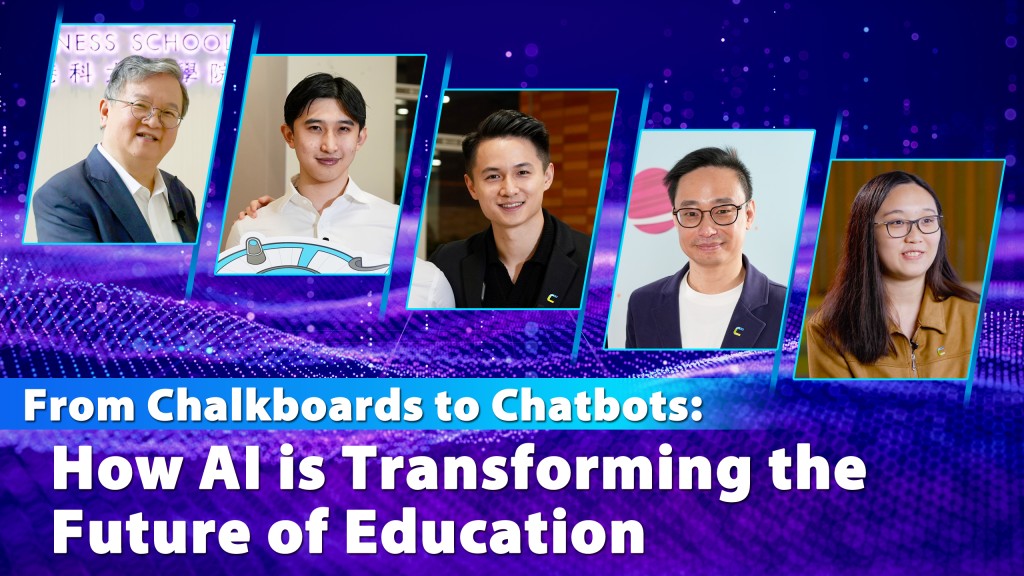
Artificial intelligence (AI) is no longer just a buzzword—it’s becoming a core part of classrooms around the world. Episode 11 of HOY TV’s series “AI for Humans” takes a deep dive into how AI is transforming education across higher learning, special educational needs (SEN), and self-directed study. The episode features expert insights, pioneering start-ups, and real-life student experiences, offering a comprehensive look at AI’s role in shaping the next generation of learners.
Rethinking the role of teachers and students
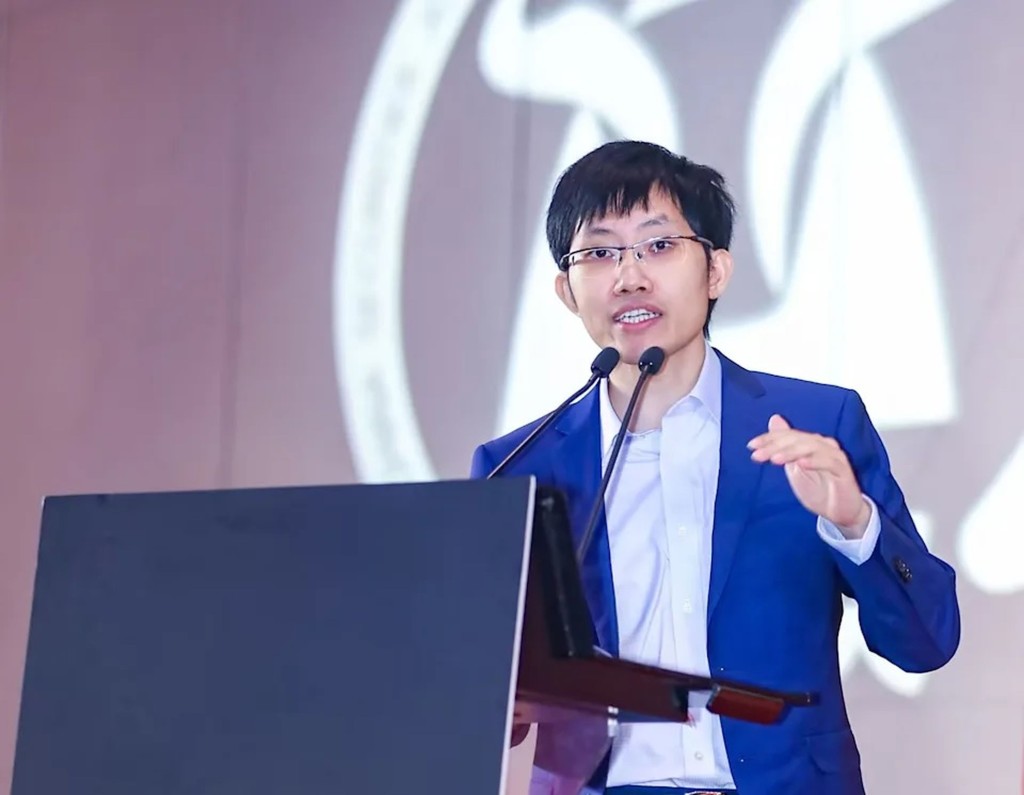
Professor Yike Guo, BSc, PhD, Provost of The Hong Kong University of Science and Technology (HKUST) and Director of the Hong Kong Generative AI Research and Development Centre, opens the programme by exploring AI’s deep impact on the fundamentals of education.
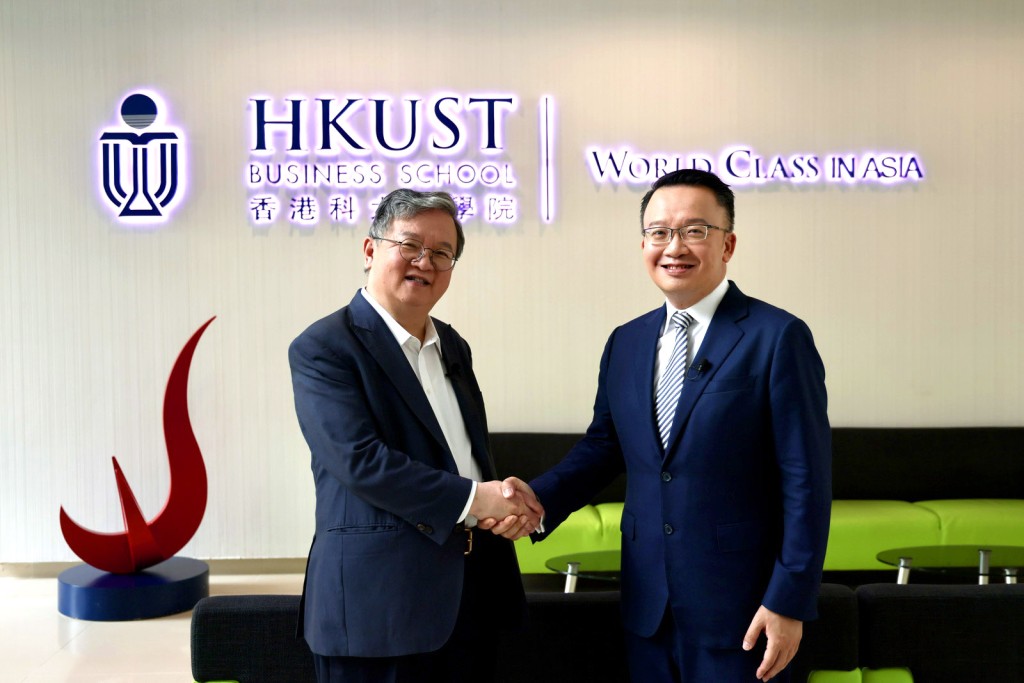
He notes that AI tools, such as large language models, can rapidly consolidate and summarise vast amounts of information. However, he emphasizes the importance of distinguishing between information and true knowledge.
Guo argues that educators must move beyond rote teaching and act as guides in helping students interpret and apply knowledge. At HKUST, ChatGPT and other AI tools are being integrated into classrooms, while the newly established Centre for Education Innovation (CEI) is piloting new AI-based teaching models. Guo also calls for AI literacy to be made a compulsory subject—akin to mathematics or physics—for all students at the university level.
Smart solutions for special needs education
AI is also making waves in special education. Victor Wong, founder of Bridge AI—a Cyberport-incubated start-up—presents an intelligent classroom management system designed to support SEN students.
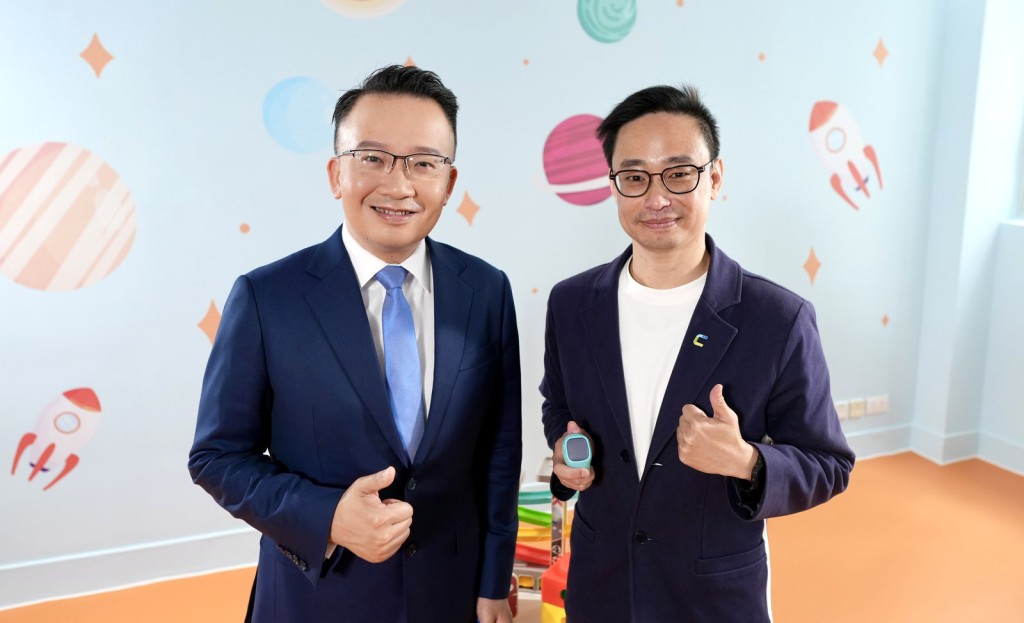
Using real-time video and audio analytics, combined with wearable devices like AI-powered smartwatches, the system can monitor a student’s attention levels, emotional state, and overall engagement. This allows teachers to tailor their approach on the spot, providing individualised support and adjusting lesson pace accordingly.
Bridge AI’s technology also forms the foundation of the Chartered Special Needs Tutor Training Programme, which is being implemented in partnership with The University of Hong Kong and other local institutions. Notably, UNESCO has recognised Bridge AI’s system as one of the world’s top 21 SEN education practices—making it the only initiative from Asia on the list.
Study smarter, not harder
For university students, AI is quickly becoming an indispensable study companion. Calvin Wong and Jason Chan, medical students at The University of Hong Kong and co-founders of Xonlabs—a Cyberport-incubated start-up—share their journey of creating Memo, an AI-powered learning platform designed to enhance study efficiency.
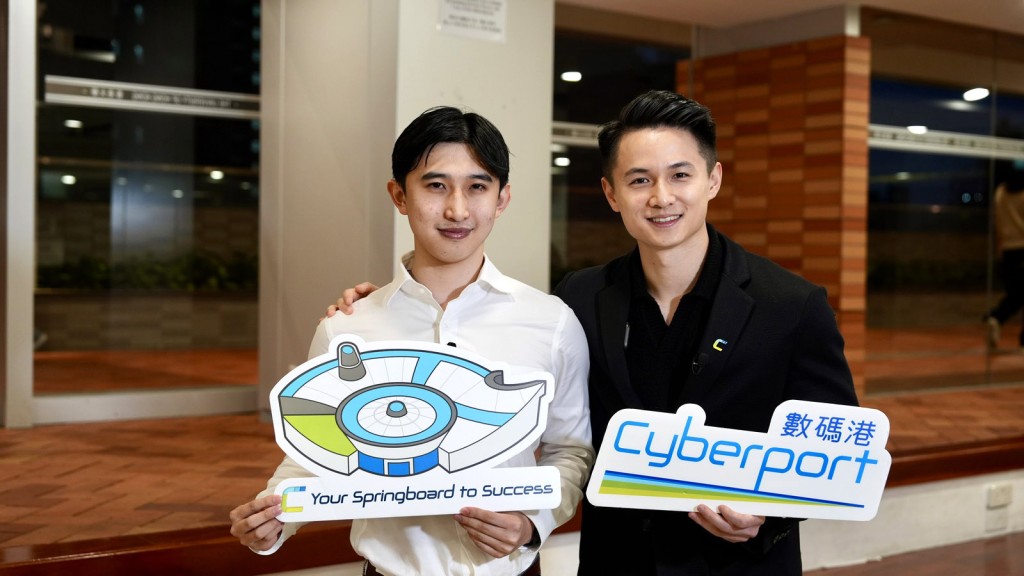
The episode features a live demonstration of Memo, which helps students move beyond rote memorisation through interactive, AI-driven learning. By “co-studying” with AI, users benefit from a flexible and personalised experience that supports effective “active recall”—a proven method for improving memory retention.
Memo automatically generates flashcards from textbooks and note PDFs, then uses AI to assess a student’s familiarity with the material. Based on this analysis, it creates tailored revision schedules that optimise learning outcomes.
What started as a student-led project has now gained traction in global markets, including the U.S., Canada, the U.K., and Australia. Their story serves as a reminder: “Rather than fearing that AI will replace you, understand that those who can use AI may replace you.”
Robots and creativity in the classroom
The programme also features Molekiu, a start-up founded by Cyberport entrepreneur Koby Choy, which blends AI, robotics, and STEAM education to make learning more engaging.
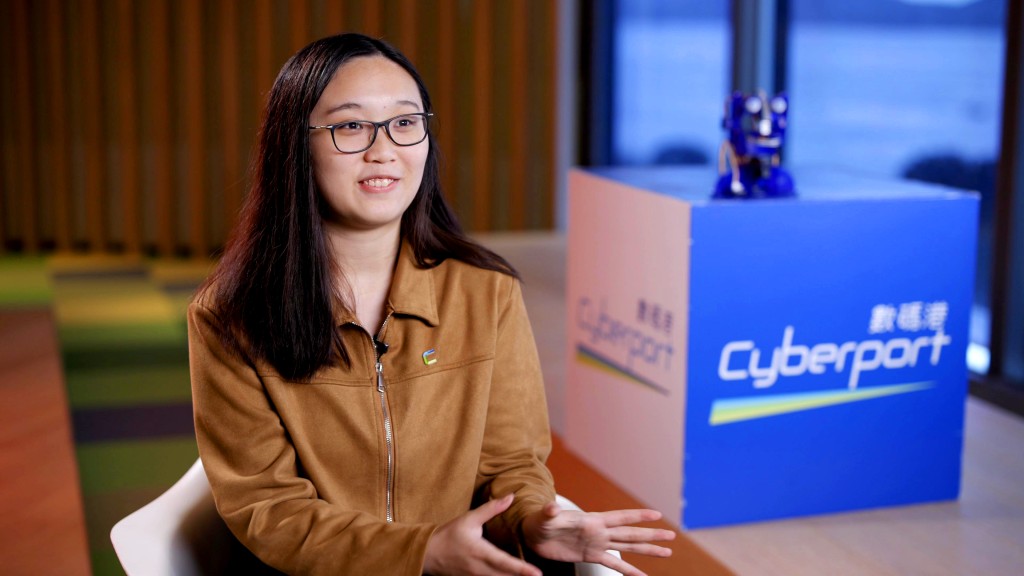
Molekiu’s courses use generative AI and robots—like the expressive and programmable “Ohbot”—to help students understand complex science and engineering concepts through interactive, hands-on lessons. Students can also use AI to create digital images and videos, encouraging creativity while developing technical skills.
Nurturing the future of EdTech
Throughout the episode, the role of Cyberport as a launchpad for EdTech innovation is highlighted. From funding and mentorship to global expansion support, Cyberport has been instrumental in helping start-ups turn ideas into scalable solutions for education systems around the world.
As AI continues to evolve, so too will the ways we teach and learn. “AI for Humans” brings these innovations to light, showing how educators, students, and technologists are working together to unlock the future of education—one algorithm at a time.
Don’t miss the episodes
AI for Humans airs every Saturday at 8:30pm on HOY TV Channel 78, with replays on Sundays at 6:30pm (Channel 77) and Tuesdays at 10:00pm (Channel 78). Episodes are also available for on-demand viewing on HOY TV’s official platforms.