The Department of Justice has set up an inter-departmental working group to review legislation governing artificial intelligence and to explore possible legislative action on AI-generated indecent images, Acting Secretary for Innovation, Technology and Industry Lillian Cheong Man-lei said on Wednesday.
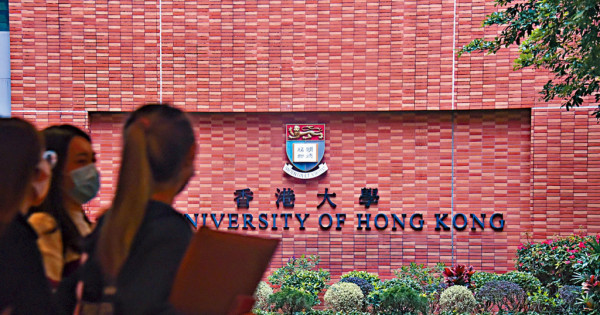
Her remarks came in response to an alleged case involving a male law student at the University of Hong Kong who is suspected of using free online AI software to create indecent images of his classmates without their consent.
Speaking at a Legislative Council meeting, Cheong said current laws do not specifically criminalize the act of producing indecent images of others as a standalone offense. However, acts involving the distribution of explicit images or infringements of privacy are already regulated under existing ordinances, regardless of whether artificial intelligence is used in the production process.
She said anyone who distributes or threatens to distribute intimate images without consent may contravene Section 159AAE of the Crimes Ordinance (Cap. 200), which carries a maximum penalty of five years’ imprisonment.
For offenses involving the use of computers, authorities may invoke Section 161 of the Crimes Ordinance, which covers “access to computer with criminal or dishonest intent,” she added.
Cheong said any obscene or indecent articles that are published or publicly displayed in Hong Kong are regulated under the Control of Obscene and Indecent Articles Ordinance, regardless of whether AI was used to create them.
She also noted that the Personal Data (Privacy) Ordinance governs the collection and use of personal data. Unauthorized data collection or the use of data for new purposes may breach data protection principles.
In addition, the unauthorized disclosure of others’ personal data that causes specified harm to the individual or their family may constitute the criminal offense of doxxing, she said.
Cheong said the creation of pornographic, obscene, or indecent images using AI could be classified as cyber-related offenses, depending on the circumstances. She added that the relevant subcommittee under the Law Reform Commission will conduct research and consult the public on the issue.
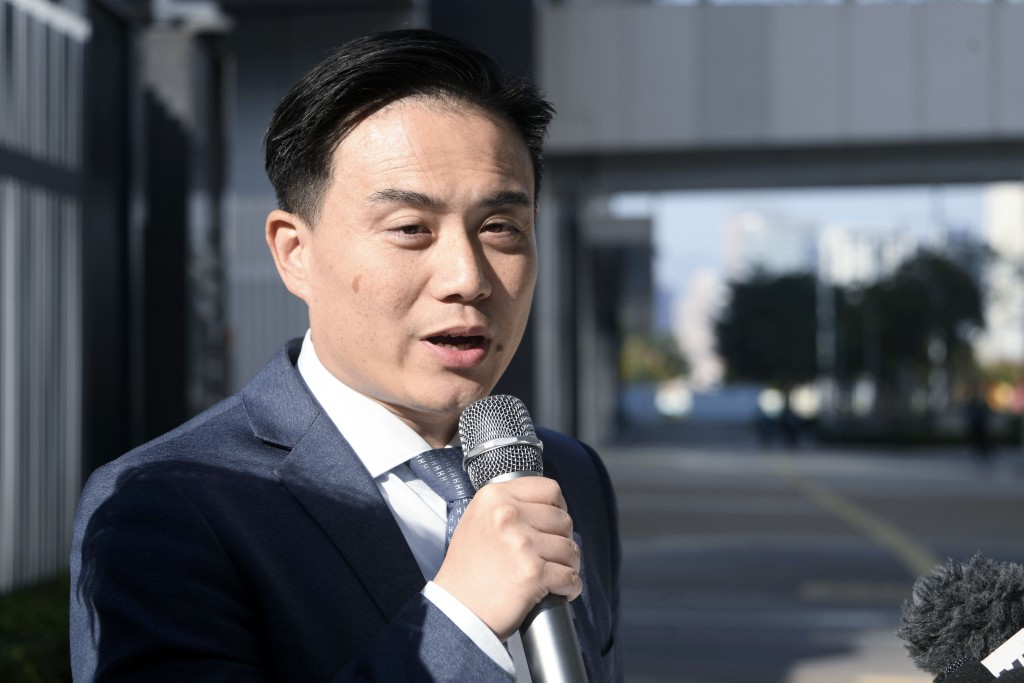
Lawmaker Mark Chong Ho-fung, who raised the issue, asked whether the government would step up public education on the consequences of such illegal acts and help victims better understand their rights and available avenues of assistance.
He also queried whether authorities would issue guidelines to universities or require immediate reporting to police when suspected violations by students are identified.
In response, Cheong said the government is actively formulating guidelines with clear indicators.
She cited the Digital Policy Office’s Ethical AI Framework and the Hong Kong Generative AI Technical and Application Guideline, which stipulate that organizations and users applying AI must comply with all applicable Hong Kong laws in order to strike a balance between technological development and security.
On guidelines for universities, Cheong said the Education Bureau and the University Grants Committee adopt a “zero-tolerance” stance toward illegal and disciplinary offenses committed by students. Universities are required to handle suspected illegal acts seriously and to fully cooperate with law enforcement investigations.
She added that all UGC-funded universities have established student disciplinary mechanisms, and upon receiving and verifying a complaint, will take appropriate action in accordance with their established procedures.