Read More



Staff reporter
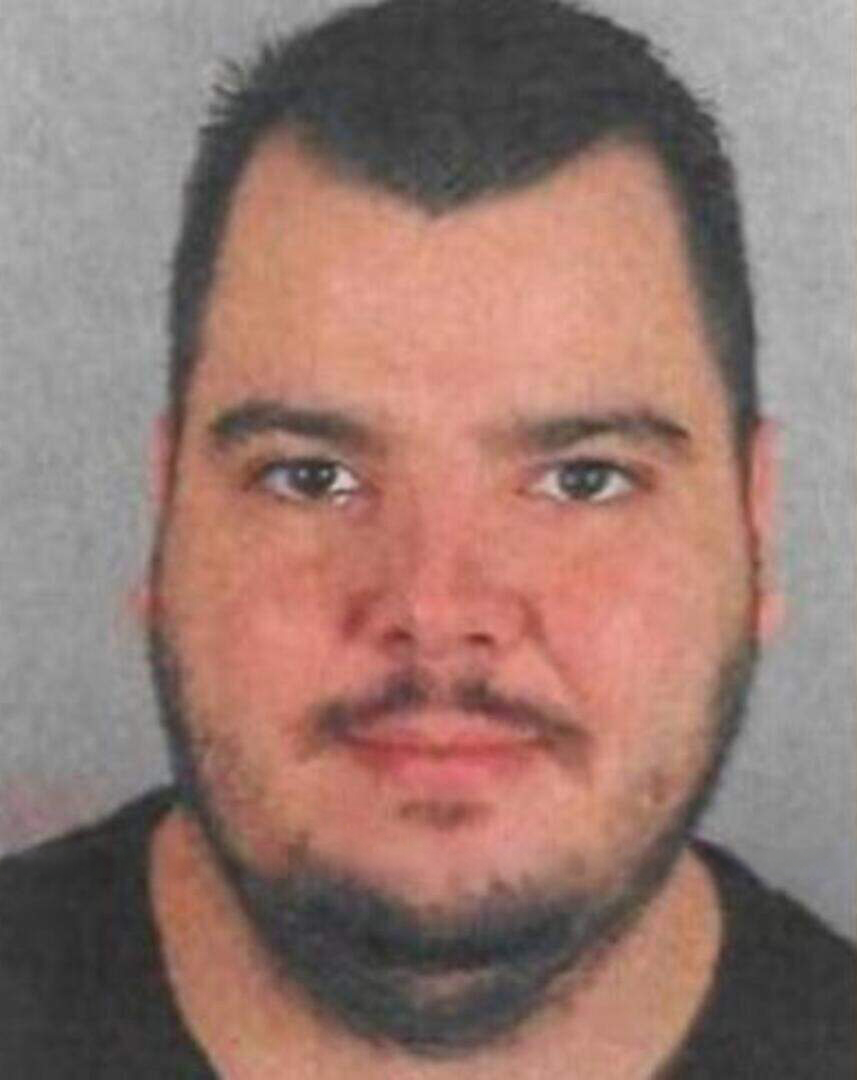
The Netherlands is pushing for the extradition of Dutch drug lord Jos Leijdekkers – nicknamed “Fat Jos” – from Sierra Leone, with the kingpin believed to be connected to a recent attack on a farm, as reported by East Week magazine, sister publication of The Standard.
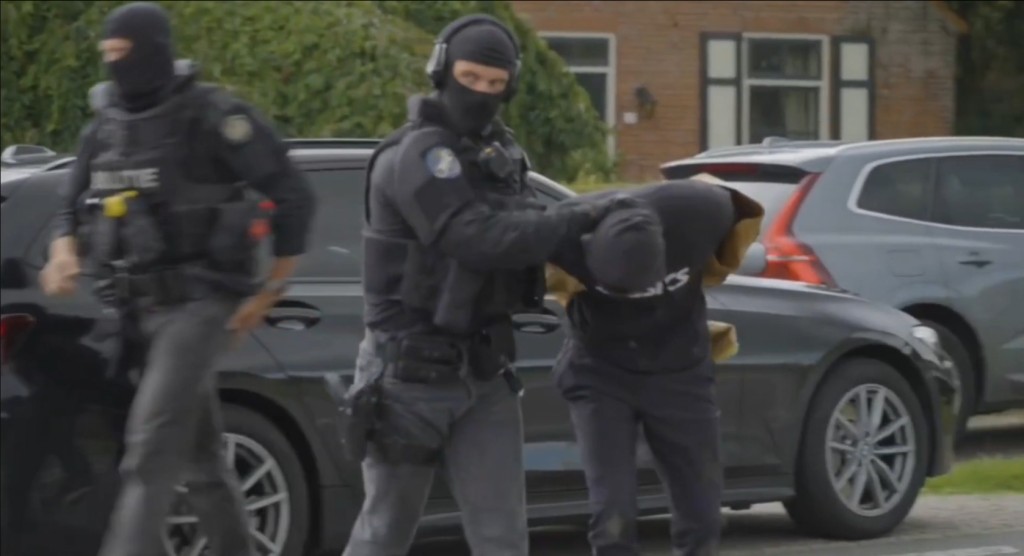
More than 30 masked gunmen stormed a farm in the eastern part of the Netherlands on September 1, killing a security guard and wounding two police officers who rushed to the scene during the gunfight.
Police have discovered that the manhunt was linked to the theft of 1,200 kilograms of cocaine, valued at around 50 million euros (HK$440.63 million).
A 28-year-old drug dealer, Jan G, was hiding on the attacked farm, and was suspected of stealing from his own crew, which triggered the manhunt. He was awakened by a security alarm during the incident and fled, hiding in nearby bushes and narrowly escaping with his life.
Police arrived on the scene after receiving a report. After the gunfight, 34 suspects were arrested.
Leijdekkers is suspected of remotely directing the gunmen to assemble in Belgium before crossing the border into the Netherlands to carry out the operation.
The drug lord has been linked to six large-scale drug shipments involving nearly 7,000 kilograms of cocaine in the past. He has already received heavy sentences in both the Netherlands and Belgium, with a cumulative prison term exceeding 100 years.
Having fled overseas, Leijdekkers has in recent years been hiding in the poor West African nation of Sierra Leone. Dutch intelligence agencies indicate that he has used money to buy influence among military, police, and government officials.
He has also reportedly married and had a child with Agnes Bio, the daughter of president Julius Maada Bio, becoming the president's son-in-law and therefore receiving protection.
The Netherlands has tried to use economic leverage through the European Union to pressure Sierra Leone to extradite him.
In June of this year, the EU issued a public warning that EU member states should take concerted action against third, or non-EU, countries that harbor drug traffickers and refuse to fulfil their international obligations.
In October, Dutch minister of justice and security David van Weel announced the EU has suspended the 18 million euros in aid originally scheduled for Sierra Leone this year.
He added that another 22.5 million euros scheduled for next year might also be withheld, making it clear that the aim was to compel the local government to cooperate in handing over Leijdekkers.