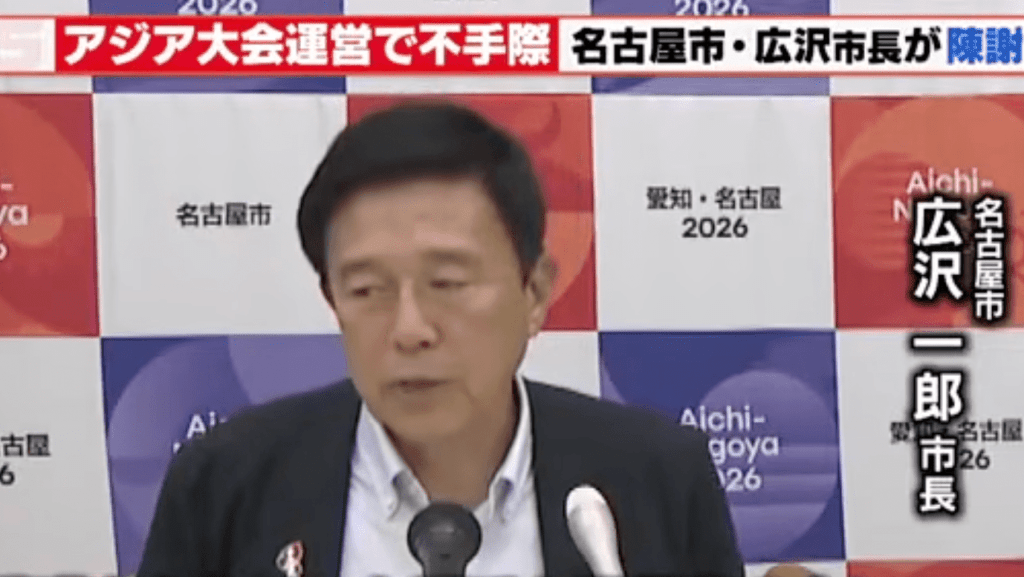
The head of the Aichi-Nagoya Asian Games organising committee has publicly apologised to athletes and officials affected by a series of operational failures at the ongoing Games, including playing the wrong national anthem and transport and accommodation problems.
Nagoya Mayor Ichiro Hirosawa, acting president of the organising committee, said at a press conference on Wednesday: "We must apologise to the athletes and related parties affected by these mistakes." He attributed the problems to human error, insufficient communication between the committee and delegations, and inaccurate on-site information, pledging to review workflows and prevent recurrence.
The most diplomatically sensitive error occurred on September 18 during a men's hockey group match at Gifu Prefectural Green Stadium. As South Korea and Bangladesh lined up for their national anthems, North Korea's anthem was played instead, leaving South Korean players visibly shocked.
Hirosawa said playing the wrong anthem was "absolutely unacceptable" and acknowledged it damaged the image of the host city and the event.
Transport arrangements also went wrong. The South Korean men's volleyball team had its training cancelled on Monday after a shuttle bus took the team to the wrong location. The committee found that two buses outside a hotel, meant for the South Korean and Pakistani volleyball teams, had picked up the wrong teams. Pakistan arrived late and the match start was delayed.
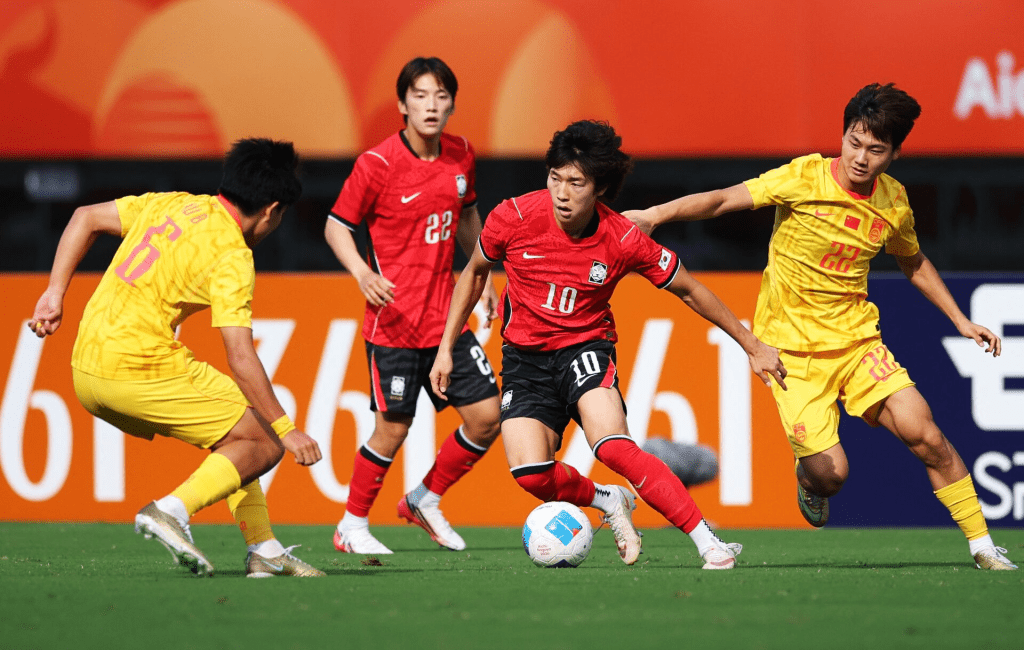
South Korean teams had already encountered multiple transport issues, including a bus driver getting lost before a men's football match against Qatar on September 15, causing a 30-minute delay, and a bus failing to show up before the men's basketball final against Japan on September 20.
Committee secretary-general Satoshi Murate admitted failures in accommodation and transport, revealing that about 2,000 more athletes and officials arrived than expected, putting pressure on resources. He stressed that providing basic services to participants remained the committee's responsibility.
Accommodation was another major complaint. Instead of a traditional athletes' village, about 17,000 athletes and staff were housed in hotels, cruise ships and modular wooden cabins at Nagoya Port Garden Pier. Athletes complained of cramped rooms and beds that were too short, with taller basketball players particularly affected. Mongolia women's basketball coach Javier Garcia Alvarez described the experience as "almost like camping."
The committee said footstools were provided to extend beds but admitted it had not clearly explained this to delegations. South Korea later moved its men's basketball team to a regular hotel.
Indian badminton star H.S. Prannoy, after winning a bronze in the men's team event, criticised the athlete experience as "saddening," saying accommodation, transport and scheduling were worse than at the Hangzhou Asian Games. He said players were scheduled to play two singles matches in a day, describing the schedule as "cruel."
South Korea's Olympic committee chairman Yoo Seung-min gave the Games an "F" grade, saying the accommodation and transport problems were not isolated incidents and questioning whether cost-cutting had come at the expense of athletes. The South Korean delegation has demanded a formal apology from senior committee officials.
The Games feature more than 11,000 athletes from 45 countries and regions competing in 43 sports, a scale exceeding the Paris Olympics. Japan's record of hosting the Tokyo Olympics and other major events had raised expectations, making the series of basic errors more striking.