The study, led by Dr. Sze-Yen Tan, Associate Professor and Nutrition Researcher at the Institute for Physical Activity and Nutrition at Deakin University in Australia, is called the "Cookie Study" (COINS). The study recruited 120 community-dwelling elderly people aged 66 to 89 who were at higher risk of falls. Participants were randomly divided into 2 groups for a 6-month study period:
-
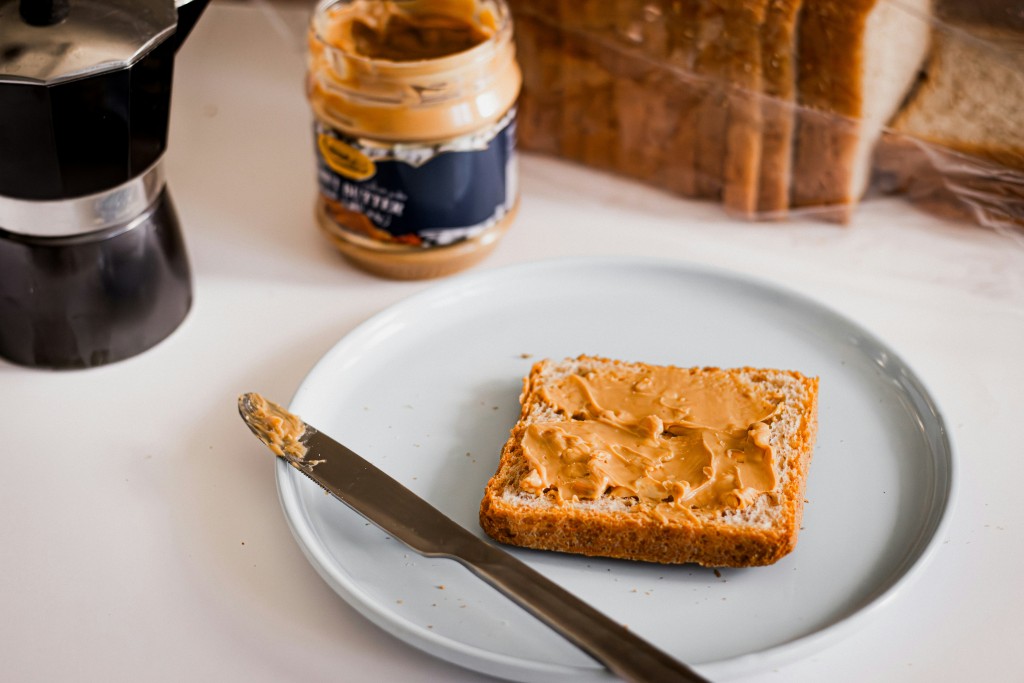
Peanut butter group: Ate 43 g (about 3 tablespoons) of commercially available natural peanut butter daily
-
Control group: Maintained their original lifestyle, diet, and exercise habits
Peanut Butter Group Faster in Sit-to-Stand Test, Muscle Strength Improved
After 6 months, both groups underwent a 5-times sit-to-stand test. Results showed:
-
Peanut butter group: Because of better lower-limb muscle strength, completed the test significantly faster than the control group; protein and unsaturated fat intake increased, but there was no weight gain.
Dr. Tan points out that the faster the test is completed, the greater the muscle strength. Muscle strength helps the elderly cope with daily activities such as climbing stairs and standing up from a chair; enhancing muscle strength can also reduce fall risk. Falls are one of the common causes of elderly people losing self-care ability, declining quality of life, and even premature death.
Rich in Protein, Can Replace Nutritional Supplements
The study shows that peanut butter can serve as a simple and economical way for the elderly to improve nutrition and enhance muscle strength. Peanuts contain the most protein among all nuts; in the study, participants took in about 10 g of protein daily from peanut butter. Dr. Tan points out that for elderly people at higher fall risk, one prevention strategy is strength and resistance training to preserve muscle and physical function. This study shows that eating natural peanut butter, whether as a snack or part of a meal, can complement the above treatment, further enhancing muscle strength while improving nutrition.
Replacing Expensive Nutritional Supplements — Peanut Butter Is Easier to Eat
Many elderly people choose commercially available oral nutritional supplements to improve dietary intake, but such products are relatively expensive and their taste may not be familiar to the elderly, affecting willingness to continue using them. Dr. Tan states that peanut butter is naturally rich in protein and healthy fats, making it a convenient, affordable, and delicious alternative to commercial oral nutritional supplements. More importantly, peanut butter is familiar to most people, and its smooth texture is also suitable for people with dental problems who find it difficult to chew whole nuts.
Unsaturated Fatty Acids in Peanut Butter Prevent Blood Sugar Spikes
Peanut butter is rich in protein and fat, which can prolong satiety and reduce carbohydrate intake. Its unsaturated fatty acids can prevent rapid blood sugar rises and drops; dramatic blood sugar fluctuations promote excessive insulin secretion and accelerate fat production, so blood sugar management is the core of weight loss. Unsaturated fatty acids also help increase testosterone and promote fat breakdown. Research from Brigham and Women's Hospital in the US shows that people who pair meals with peanut butter lose weight more effectively than those on a low-fat diet. However, peanut butter is high in calories; excessive intake will still lead to weight gain and may even trigger fatty liver.