It turns out the most powerful wellness secret is hidden in simple everyday foods. Japanese psychosomatic medicine doctor Eiko Fujii, now 95 years old, still has a clear mind and a strong body, and her approach to wellness has attracted much outside attention. She shares that in addition to maintaining a balanced diet on ordinary days, she definitely eats a traditional "cheap ingredient" every night, which contains powerful health benefits, including relieving fatigue, promoting blood circulation, sterilizing, and lowering high blood pressure.
7 Traditional Japanese Ingredients That Maintain Wellness
Fujii points out that traditional Japanese culture contains profound wisdom of "food therapy for wellness." In Eastern medicine concepts, physical and mental discomfort is often caused by a "decline in self-healing power," and the process of adjusting self-healing power is called "wellness." Wellness mainly covers "body wellness," which lets the body rest or exercise; "mind wellness," which promotes mental relaxation; and "food wellness," which restores physical and mental function through dietary regulation. To make it easier for the public to practice a balanced diet, Japan has passed down a mnemonic formed from the first syllables of traditional ingredients, "まごわやさしい" (meaning "grandchildren are truly filial"):
-
"ま (Ma)" refers to beans (まめ), especially soybeans rich in isoflavones.
-
"ご (Go)" refers to sesame (ごま), which contains important sesamin.
-
"わ (Wa)" refers to seaweed such as wakame (わかめ), which is rich in calcium and dietary fiber.
-
"や (Ya)" refers to vegetables (やさい), and special attention should be paid to eating more yellow-green vegetables.
-
"さ (Sa)" refers to fish (さかな), and blue-backed fish are especially rich in Omega-3 fatty acids.
-
"し (Shi)" refers to mushrooms such as shiitake (しいたけ), which are rich in minerals, vitamins, and dietary fiber.
-
"い (I)" refers to sweet potatoes and taro (いも).
Must Eat Rakkyo at Dinner to Lower Blood Pressure, Exerting Multiple Health Benefits
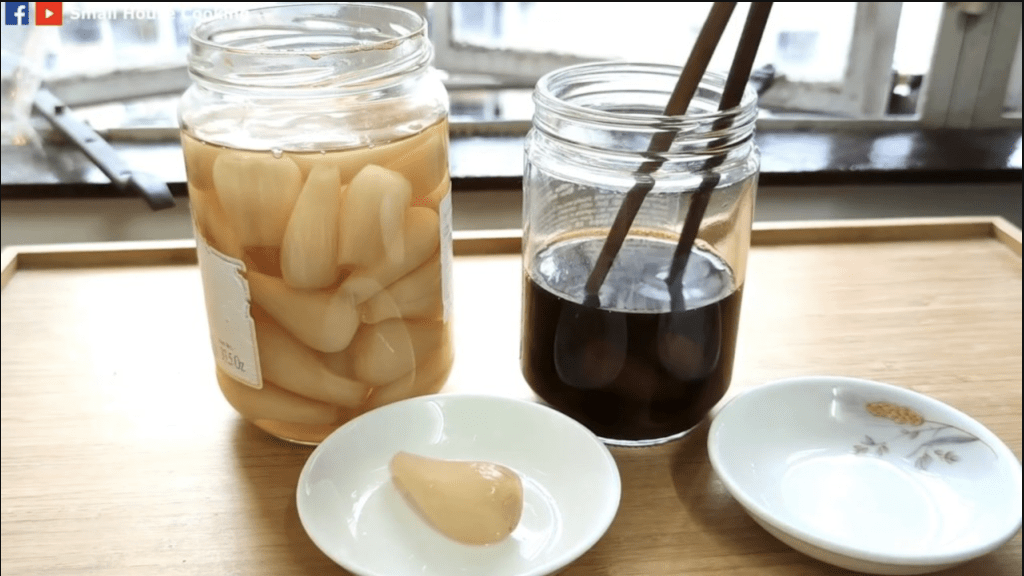
Even if a busy life makes it impossible to perfectly consume all the above ingredients every day, Fujii believes that as long as the concept of a balanced diet is always kept in mind, lifestyle will gradually change. Her personal dietary habit for decades has been to definitely eat "rakkyo (pickled Chinese onion)" at dinner every day.
She explains that rakkyo has multiple excellent effects, including relieving fatigue, promoting blood circulation, sterilizing, lowering high blood pressure, and reducing water retention, and is most suitable for eating at night to assist the body in repair. She suggests that citizens may try to incorporate this ancient dietary wisdom into their daily three meals. As long as you eat right and eat smart, longevity and health are actually not far from us.