Drinking oat beverages daily for wellness - be careful not to fall into the "hidden sugar" trap! A dietitian has listed the top 5 fake-healthy, high-sugar foods, pointing out that many health foods secretly contain sugar, and the champion—drinking one cup is actually equivalent to swallowing 8 sugar cubes.
Dietitian Hsiao Wei-lin shared on a Facebook page that many foods regarded by the public as "healthy foods" often hide large amounts of added sugar, making people mistakenly think they are taking care of their health when in fact they are unknowingly "crazy-loading sugar." He specifically ranked the sugar content of common commercially available health foods (calculated per standard commercially available serving, with sugar content arranged from high to low), reminding everyone to be careful and watch out:
5 Foods Containing "Hidden Sugar"
No. 1: 100% pure fruit juice (250 ml)
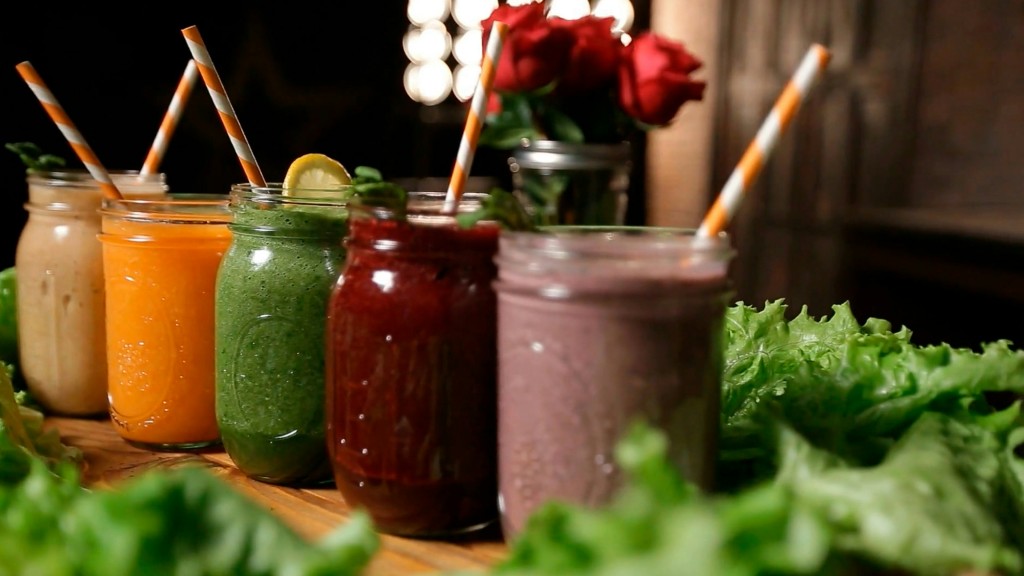
Sugar content about 26–34g. Commercially available "100% pure fruit juice" is not the same as sugar-free. During the juicing process, fruit has its dietary fiber removed, while all the fructose is completely retained. After drinking it, the speed at which blood sugar rises is actually similar to that of a sugary drink. Drinking one 250 ml cup is already equivalent to directly swallowing 6 to 8 sugar cubes.
No. 2: Plain yogurt drink (200 g)
Sugar content about 18–28g. Many manufacturers add large amounts of sugar to make up for the taste, and the low-fat versions of some brands even have a higher sugar content than the full-fat versions. When drinking it, you think it is healthy, but in reality it is like drinking sugar water. When purchasing, it is recommended to look for and choose the "no added sugar" version.
No. 3: Oat beverage (250 ml)
Sugar content about 15–22g. Oats themselves already contain natural sugars. After being processed into a ready-to-drink beverage, manufacturers often additionally add sucrose or maltodextrin. Therefore, the calories and sugar intake from "drinking oat beverages" are much higher than from directly "eating oatmeal."
No. 4: Commercially available energy bar/granola bar (1 bar)
Sugar content about 15–25g. Although the outer packaging often shows words such as "whole grain" and "natural dried fruit," making it look nutritious and healthy, its sugar content is by no means low. Much of the sugar is often cleverly hidden in processed dried fruit, maple syrup, and honey.
No. 5: Commercially available sweetened soy milk (450 ml)
Sugar content about 12–20g. Unsweetened pure soy milk is low in calories and is itself a very healthy drink, but the problem lies in the sweetened flavored version. The sugar content of commercially available "lightly sweet soy milk" generally reaches 15 to 18 grams per bottle. It is recommended to always choose unsweetened soy milk in daily life.
Source: Dietitian Hsiao Wei-lin