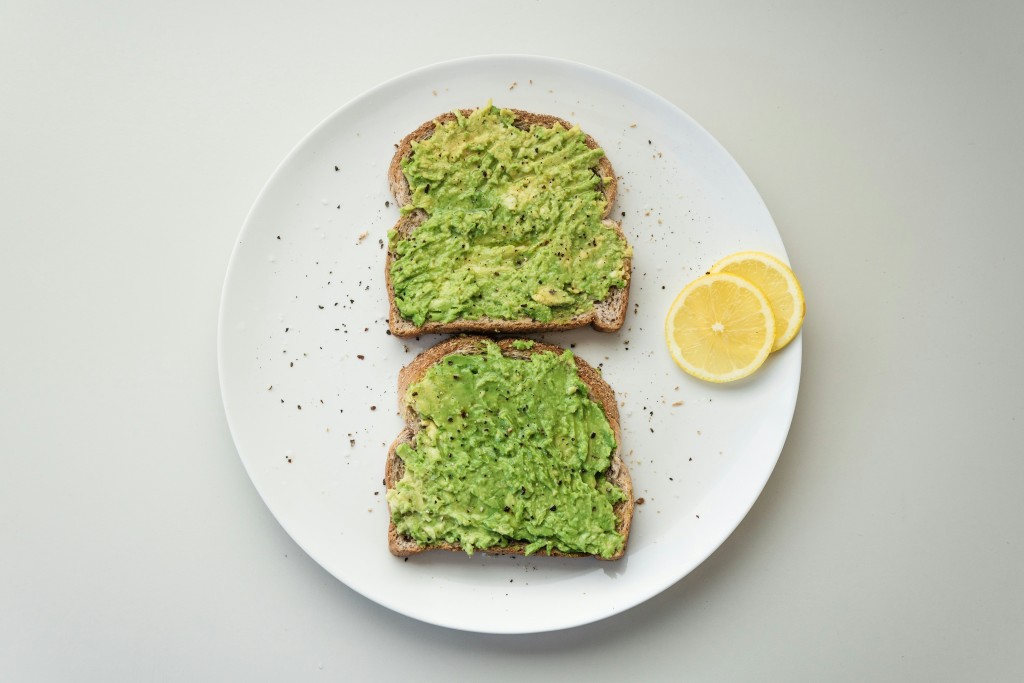
Avocado has become hugely popular in recent years. Many enjoy adding it to salads, spreading it on toast, or blending it into rich avocado smoothies. But there's a common blind spot: although avocado has "pear" in its Chinese name, nutritionally it isn't a fruit—it's classified as an "oil" rich in monounsaturated fatty acids. Treating it like a regular fruit and eating it freely, or blending it with pudding, condensed milk, or syrup into sweet drinks, can silently turn healthy fats into an excessive calorie burden.
Nutritionist Wang Yu-ching points out on Facebook that with the right plate pairings and portions, avocado remains an excellent source of quality fats. She recommends 6 key tips to extend satiety, help stabilise blood sugar, and avoid excess calories:
6 Smart Ways to Eat Avocado
-
Recognise Its Food Category
Avocado is rich in quality fats and should be classified as an "oil," not eaten as a regular fruit portion.
-
Strictly Control Portions
More avocado isn't healthier—excess intake accumulates extra calories. Aim for about 1/4 to 1/2 an avocado per serving.
-
Don't Eat It Alone as a Fruit
Pair it with quality protein sources like eggs, tofu, or unsweetened soy milk. This not only helps stabilise blood sugar but also makes the meal's satiety more lasting and satisfying.
-
Incorporate It into Meals with Vegetables for Better Balance
Avocado is perfect in salads, breakfast plates, or lunch boxes alongside fresh dark vegetables. Eating it together provides more comprehensive and balanced nutrition than eating it alone.
-
Starches Are Not the Enemy
Pairing avocado in moderation with whole-food starches like sweet potato, oats, or whole-grain rice can help stabilise blood sugar better than deliberately avoiding starch.
-
Beware of High-Sugar Traps
Avocado already has rich, dense fats. Adding pudding, condensed milk, syrup, or whole milk on top can easily exceed calorie limits.
Wang reminds that avocado's greatest advantage is providing good fats, but the key lies entirely in portion control and food pairing. Simply incorporate it into daily meals and intelligently pair it with sufficient protein, abundant vegetables, and moderate whole-food starches to maximise its blood-sugar-stabilising and satiety benefits.
Source: Nutritionist Wang Yu-ching