Many people habitually peel fruit and vegetables before eating—but this may mean throwing away the most valuable nutrients. A nutritionist has listed 10 produce items whose skins contain more vitamins, fibre, and antioxidants than the flesh. For example, potatoes eaten with their skin on can even help stabilise blood sugar.
According to Health, registered dietitian Lindsey DeSoto notes that many people peel produce before eating, but the outer layers often contain more fibre, vitamins, and antioxidants than the flesh. She lists 10 fruits and vegetables worth keeping the skin on:
1. Apples
Eating the red (or green or yellow) skin provides antioxidants like quercetin, which helps fight inflammation and supports gut health. While non-organic apples may have pesticide residues, the EPA monitors and sets limits for food safety. If concerned, rinse thoroughly under running water or choose organic apples.
2. Kiwi
Eating golden kiwi with the skin on boosts fibre intake by about 50% compared to eating only the flesh. It's also an excellent source of vitamins C and E. If you don't like the fuzz, rub it off with a towel or choose smoother-skinned golden kiwis.
3. Peaches
The fuzzy skin is worth keeping, as most fibre and antioxidants are concentrated near the peel. Peach skin also contains chlorogenic acid, an antioxidant and anti-inflammatory compound that may help stabilise blood pressure and cholesterol.
4. Potatoes
Compared to peeled boiled potatoes, baked potatoes with skin contain over 3 times more iron and about 35% more potassium. Eating the skin also adds about 1.5g more fibre, helping slow carbohydrate digestion and stabilise blood sugar.
5. Watermelon
The white part between the flesh and the rind is rich in fibre and citrulline, which helps promote blood circulation. Since it's firm, it's best cooked, pickled, blended into smoothies, or stir-fried.
6. Oranges
Orange peel is a concentrated source of vitamin C—just 1 tablespoon provides about 9% of your daily needs. Though bitter, it's rich in fibre and plant compounds like flavonoids and limonene with strong antioxidant and anti-inflammatory properties. More human studies are needed, but some research suggests it may help protect brain cells and promote healthy aging.
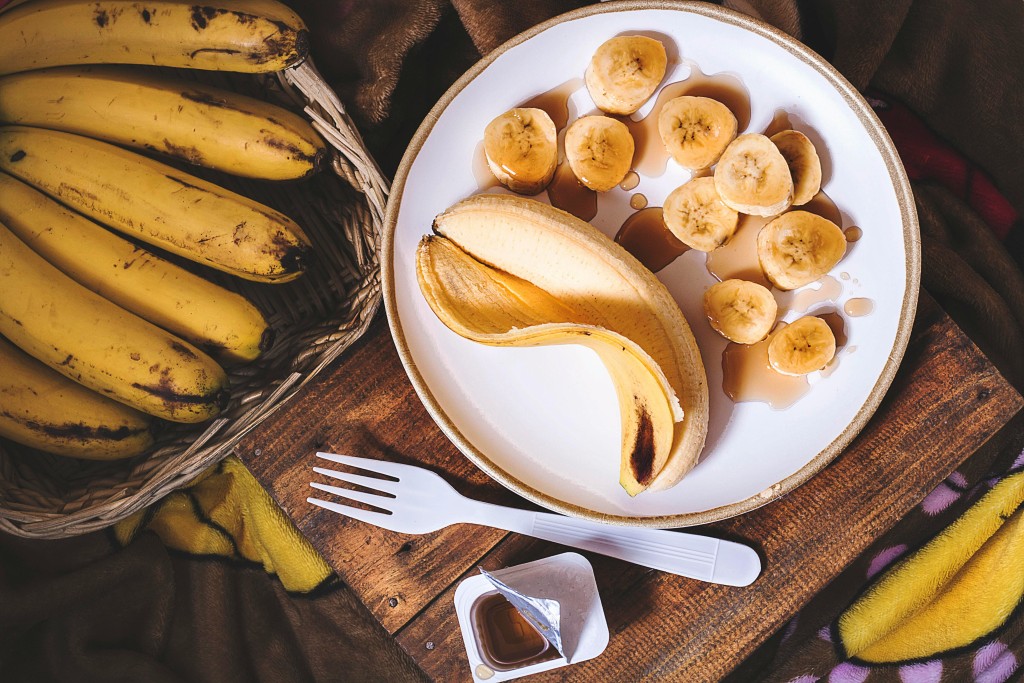
7. Bananas
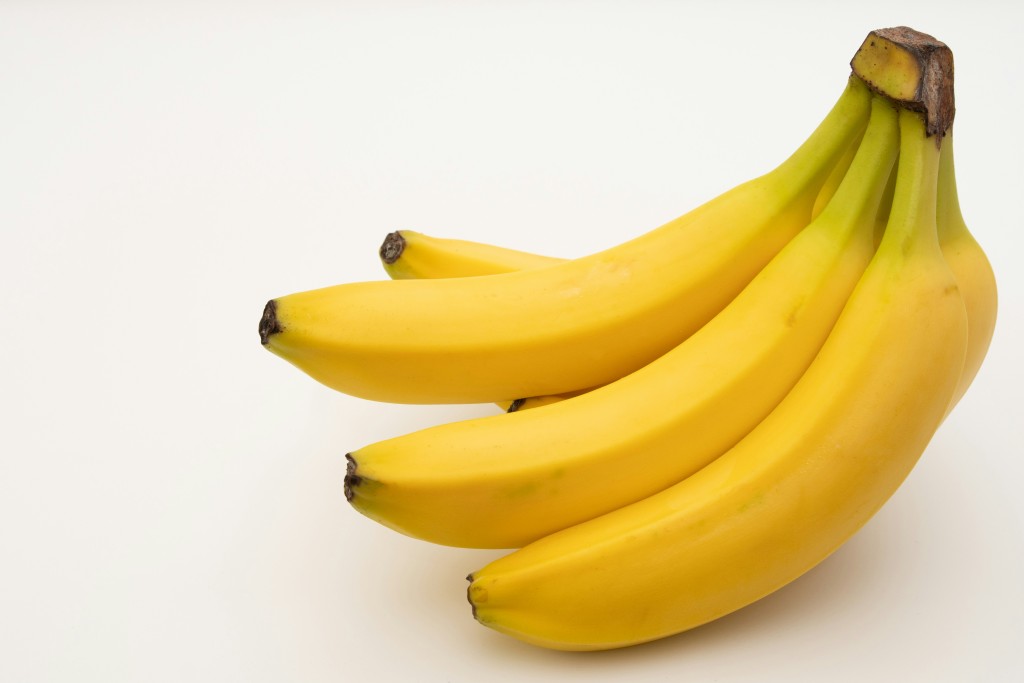
Banana skins are rich in fibre, potassium, and antioxidants like carotenoids and flavonoids, which protect cells and support gut health. Due to their firm, bitter taste, they are usually cooked, roasted, or blended—not eaten raw.
8. Grapes
Red grape skins are rich in resveratrol, a plant compound linked to cardiovascular and metabolic health. Limited research also suggests resveratrol may affect blood sugar regulation and weight, though more human studies are needed.
9. Carrots
The outer layer of carrots contains more minerals and antioxidants, including beta-carotene and chlorogenic acid. Studies also show that juicing or cooking whole carrots helps break down plant cell walls, making beta-carotene more absorbable.
10. Onions
Red onion skins are rich in anthocyanins, which help reduce inflammation and protect the heart, liver, and brain. Use them for soups or stews, or dry and grind them into powder for seasoning. However, if you strain them out after cooking, you won't get the dietary fibre.
5 Tips for Washing Produce Safely
Since eating skins means more contact with soil, bacteria, and pesticides, dietitian DeSoto recommends these safe washing practices:
-
Rinse thoroughly under running water before eating or cutting.
-
Rub the surface with your hands or use a clean produce brush for firmer skins (potatoes, carrots).
-
Even if you plan to peel, always wash first to prevent bacteria from transferring to the flesh via the knife.
-
Never use soap or bleach to wash produce.
-
Remove any bruised or damaged areas before eating.
DeSoto notes that certain produce—like apples, grapes, peaches, and potatoes—tend to have higher pesticide residues on the skin. Thorough washing or choosing organic can help reduce exposure. However, organic produce may still use some pesticides and is not entirely pesticide-free.