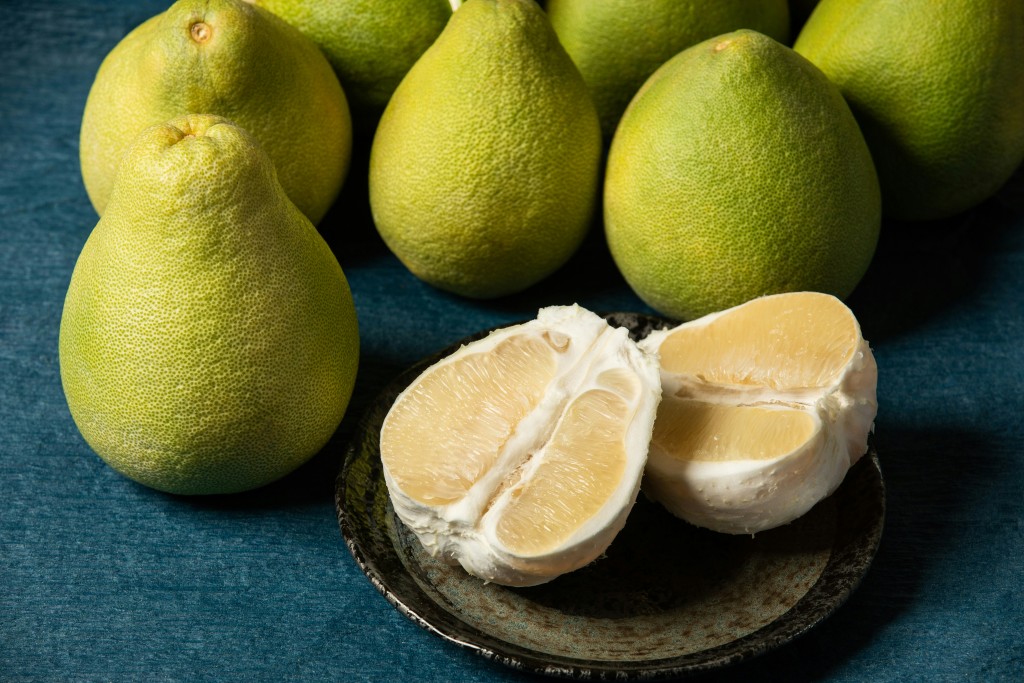
Dietitian Lu Mei-pao shared in a Facebook post that after every household finishes eating pomelos during the Mid-Autumn Festival, they should not rush to throw away the thick pomelo peel, because it is actually very suitable for making "pomelo peel fermented cleaning liquid." Pomelo belongs to the citrus family, and its outer peel is rich in citrus essential oils. The "limonene" component in it has the properties of dissolving grease and helping with decontamination. Information from the Taitung District Agricultural Research and Extension Station of the Ministry of Agriculture also provides a detailed introduction to the cleaning applications of pomelo peel essential oil and limonene.
This eco-friendly decontamination liquid's ingredient ratio refers to the classic method of the Homemakers United Foundation:
Dietitian Teaches How to Make Homemade Pomelo Peel Fermented Cleaner
Ingredient Ratio:
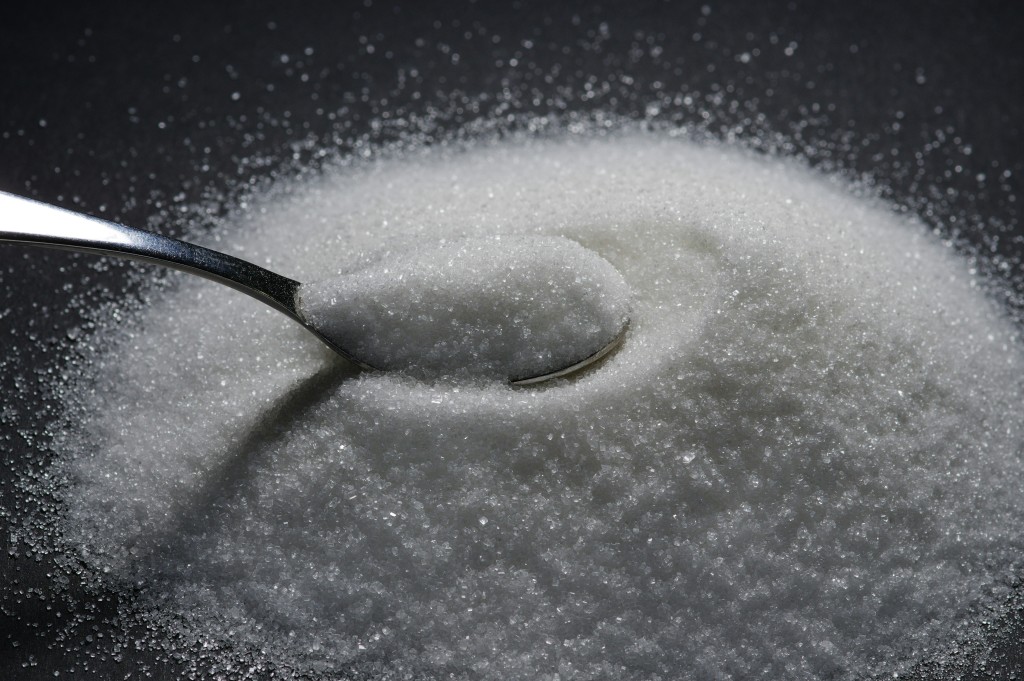
Brown sugar : pomelo peel : water = 1 : 3 : 10
Example Formula: 100 g brown sugar, 300 g pomelo peel, 1000 g water.
Method:
-
First, wash the pomelo peel thoroughly and cut it into small pieces. If the amount of pomelo peel from daily consumption is relatively small, you can also temporarily place the peels on the balcony to accumulate them, and process the whole batch at once after enough has been collected.
-
Put the cut pomelo peel, brown sugar, and water together into a plastic container with a lid. Note that the container must not be filled too full; sufficient space must be reserved for the gas produced during fermentation.
-
In the early stage of fermentation, you need to regularly loosen the bottle cap manually to release gas.
-
Then place the container in a well-ventilated, cool place, and patiently wait for about 3 months, and fermentation will be complete.
Lu states that this finished pomelo peel fermented cleaning liquid can be diluted according to actual decontamination needs during daily use, and can be widely used in kitchens, stovetops, tabletops, or general household cleaning. However, she also reminds that, after all, this is a homemade fermented liquid, and its ingredients and pH have not been standardized, so it is more suitable to be positioned as "daily eco-friendly cleaning, grease removal, and peel reuse," and is not recommended to replace formal disinfectants.
Source: Dietitian Lu Mei-pao