Feeling exhausted but tossing and turning in bed, unable to sleep—or waking up with leg cramps at night? A nutritionist says this could be linked to magnesium deficiency. She names 4 natural magnesium-rich foods, including dark chocolate.
Nutritionist Lin Li-cen shared on Facebook that she often hears from clients or working mothers: "I'm so tired but I just can't fall asleep," "I get leg cramps at night," or "I feel sluggish in the afternoon and crave sweets." These common complaints may actually be signs of magnesium deficiency. Magnesium is a crucial mineral involved in over 300 enzymatic reactions in the body. It offers 4 key benefits:
-
Relaxes nerves and improves sleep quality: Magnesium regulates GABA (gamma-aminobutyric acid), a neurotransmitter that calms nerve activity, relieves stress, and helps the body enter deep, restorative sleep.
-
Eases muscle tension and prevents nighttime cramps: Muscle function follows a calcium-to-magnesium balance—calcium contracts, magnesium relaxes. When calcium is high and magnesium low, muscles can over-contract, leading to cramps. Adequate magnesium supports normal muscle relaxation.
-
Supports energy metabolism and fights chronic fatigue: Mitochondria rely on magnesium to produce ATP, the body's energy currency. Sufficient magnesium keeps metabolism running smoothly and boosts energy levels.
-
Stabilises blood sugar and supports metabolic health: Magnesium is involved in glucose metabolism and insulin function. Adequate levels improve insulin sensitivity, helping stabilise post-meal blood sugar.
4 Natural Magnesium-Rich Foods – Does Dark Chocolate Help?
Lin recommends these 4 natural food sources of magnesium:
1. Dark Green Vegetables
Sweet potato leaves, spinach, amaranth, kale—aim for at least one bowl per meal.
2. Nuts and Seeds
Pumpkin seeds, sunflower seeds, black sesame, cashews—one tablespoon of mixed nuts daily provides magnesium and healthy fats.
3. Whole Grains
Oats, brown rice, buckwheat, quinoa—replace white rice with unrefined grains. Keep portions to about half a fist per meal.
4. Soy Products and Others
Edamame, black beans, traditional tofu, unsweetened soy milk—and for a treat, two small pieces of dark chocolate with 70% cocoa or higher.
Daily Magnesium Recommendations and Retention Tips
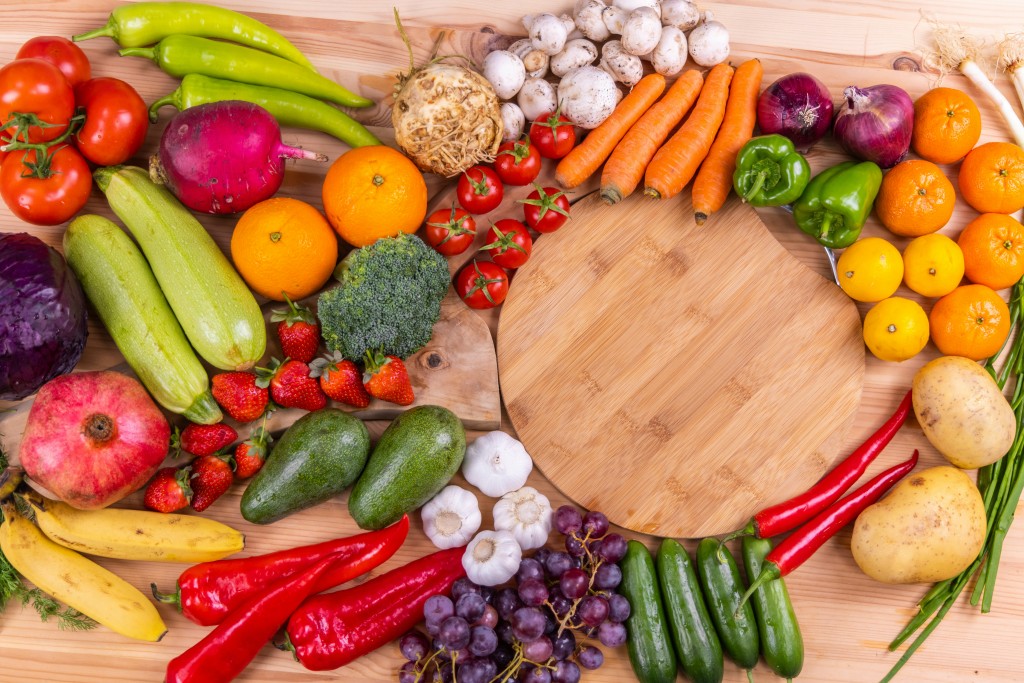
The recommended daily magnesium intake is about 360–380 mg for men and 300–320 mg for women. To retain magnesium, follow a balanced "rainbow diet" and Mediterranean eating principles. Also, limit refined sugar, processed foods, excessive caffeine, and alcohol—all of which increase magnesium loss through urine. Try adding a plate of dark green vegetables to dinner, switching to brown rice, or enjoying a cup of warm soy milk with pumpkin seeds before bed. Natural foods can help replenish magnesium, improve sleep, and support metabolic health.
Sources: Nutritionist Lin Li-cen, Department of Health (Hong Kong)