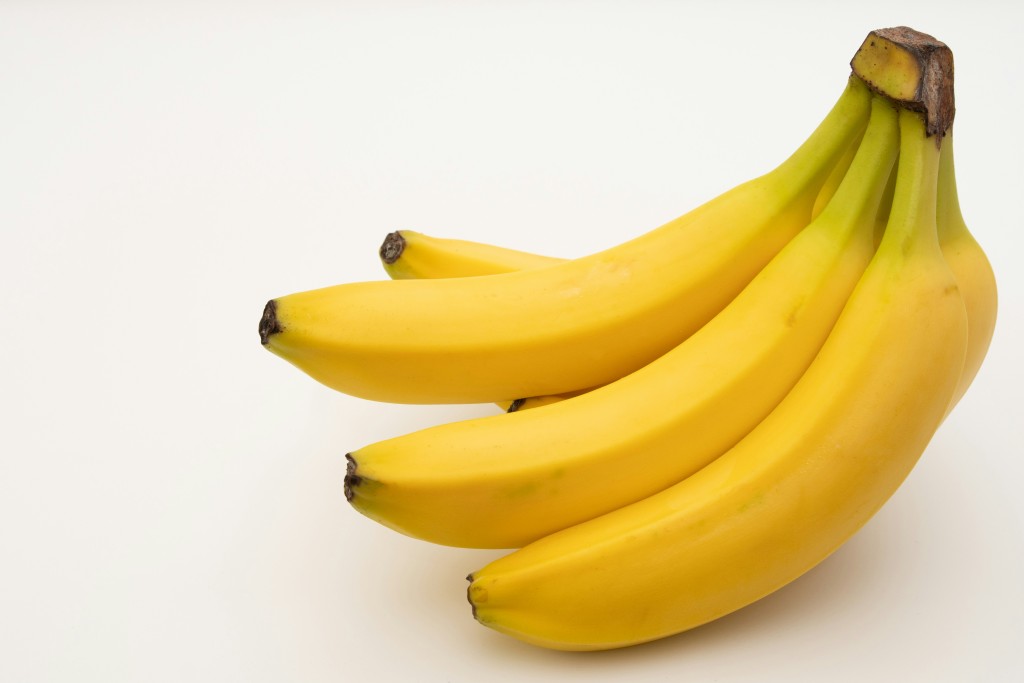
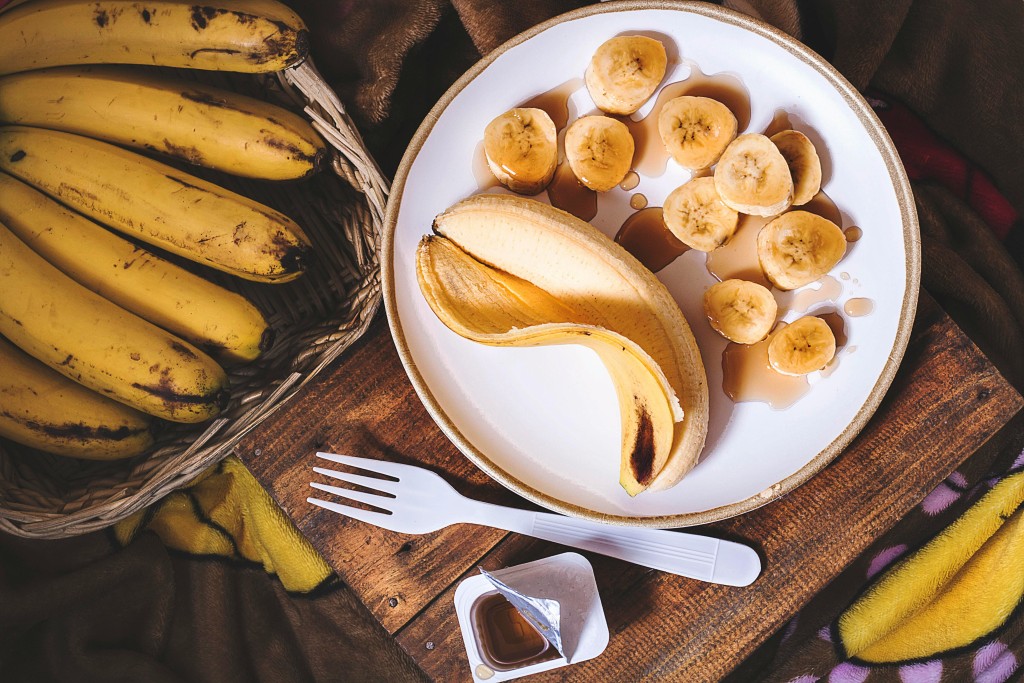
Bananas are one of the most commonly eaten fruits in Hong Kong. But in hot weather, they often develop black spots and become overripe within 2–3 days, making them less appetising. A Taiwanese chef recently shared a simple refrigeration trick that keeps bananas bright yellow for 7 days, with a firmer, softer texture—sparking plenty of discussion.
Why Bananas Turn Black in the Fridge – The Key Is Ethylene
Many people think bananas shouldn't go in the fridge because the skin turns black. But the blackening isn't due to low temperature—it's because ethylene gas (the ripening hormone) that bananas release is trapped in the sealed space, speeding up ripening. Humidity in the fridge also affects the skin. With the right storage method, the fridge is actually a great ally for extending freshness.
Chef's 3-Step Refrigeration Method
Taiwanese chef Ah Qing recently shared a banana storage trick on his YouTube channel. He noted that wrapping bananas in cling film, putting them in a container, and refrigerating them still leaves them black after a week. His "banana refrigeration method" works like magic in 3 steps:
-
Cut off both ends: Remove the stem and tip to slow ripening, leaving only the edible part.
-
Wrap in an insulated bag: Place the bananas in an insulated or cooler bag—they can be stacked together.
-
Refrigerate: Put the whole bag in the fridge.
Ah Qing tested this himself. After 7 days, the bananas remained golden, and the flesh stayed firm—with even better texture thanks to chilling. He joked: "Banana lovers will never need to worry about storage again."
Keep Away from High-Ethylene Fruits; Wait for the Right Ripeness
Taiwanese food expert and chef Lu Qiaoyin has also shared that to slow ripening, store bananas away from high-ethylene fruits like apples and mangoes. Unripe bananas shouldn't be refrigerated, as they'll become hard and increase in tannins, affecting flavour. She recommends waiting until bananas are about 80% ripe before chilling. If you have too many, peel, chop, and freeze them for smoothies or baking later.
Nutritional Benefits of Bananas at Different Ripeness Stages
Nutritionist Miss Jc from NutriJoy Nutrition Centre notes that banana ripeness affects nutritional value and health benefits. Each stage has its own perks:
Unripe Green Bananas:
-
Lower glycaemic index—helps stabilise blood sugar.
-
High in resistant starch—not easily absorbed by the small intestine.
-
More prebiotics—supports gut health.
-
Higher tannins—taste more sour and astringent.
Ripe Yellow Bananas:
-
Rich in B vitamins—boost metabolism and benefit skin.
-
Resistant starch turns to sugar—sweet flavour.
-
Contain sorbitol and fructo-oligosaccharides—promote bowel movement and relieve constipation.
Spotted Brown Bananas (Speckled):
-
Lower sucrose content—helps slow blood sugar rise.
-
Higher enzyme content—may boost immunity.
-
Studies suggest "banana lectin" in dark spots may have anti-tumour and anti-HIV potential. Eating one a day may help strengthen immunity.
Each ripeness stage offers unique benefits—choose based on your health needs.
Sources: Chef Ah Qing's YouTube Channel, Nutritionist Miss Jc (NutriJoy Nutrition Centre)